
Precious metals are apparently waking up. And here is where you can find the best deals.


Site:
Precious metals news
 CRE Nightmare for CMBS Holders: Office Mortgage Delinquency Rate Has Biggest Six-Month Spike Ever
Jul 5, 2023 - 12:46:33 PDT
The delinquency rate of Commercial Mortgage-Backed Securities (CMBS) backed by office properties has spiked to 4.5% in June, up from 1.6% just six months ago. This is the fastest increase in delinquency rates in Trepp's data history. The rise in defaults is due to a structural change as companies realize they no longer need large amounts of office space. Variable-rate mortgages have become problematic as interest payments have doubled with rising rates, leading to landlords walking away from properties and causing significant losses for CMBS holders. This situation is not a temporary blip but a long-term issue that will require years to address, potentially through tearing down or converting office towers. Existing investors are facing substantial losses, and even lower interest rates cannot make these properties economically viable.
The Federal Reserve's history of erratic policy-making in the past, including drastic interest rate hikes, serves as a cautionary tale. However, the Fed now faces the daunting task of raising rates without jeopardizing the economy, markets, banks, and consumer confidence. The significant amount of retirement savings tied to the stock market creates the risk of shrinking portfolios, which can dampen consumer spending. With consumer spending being a vital component of the US GDP, any misstep by the Fed could lead to a negative impact on economic growth. Furthermore, the unexplained divergence between the soaring Nasdaq and lackluster performance of the Dow Jones Industrial Average suggests irrational exuberance and hype are driving the markets, reminiscent of past episodes.
Jul 5, 2023 - 12:35:57 PDT
As the 2024 Presidential election approaches, the economy shows signs of decline. The recent interest rate hikes by Powell and The Gang are contributing to this slip-slide. In May, US Manufacturers' New Orders YoY declined by -1.0% for the first time since Covid. Additionally, M2 Money growth is slowing, indicating that we are reaching a critical point in the election cycle. Is it too soon to worry?
 FOMC Minutes Show "Almost All" Fed Members See More Rate-Hikes In 2023, See "Mild Recession" In H2
Jul 5, 2023 - 12:32:03 PDT
The recent FOMC meeting indicated a 'pause' in rate hikes, but market expectations have shifted more hawkish. Gold and bond prices are down, while stocks and crypto have rallied. The Minutes are awaited for confirmation of the majority's hawkish view. Most participants anticipate future rate hikes and express concerns about inflation and unanchored inflation expectations. Despite the pause, a July hike is seen as likely. There are discussions on potential upward pressure on money-market rates and anxieties about credit tightening in the banking sector. Fed staff economists forecast a mild recession starting later this year, contrasting with Chair Jerome Powell's expectation for slow growth.

Globalization and financialization, the driving forces of the global economy for four decades, are now entering the decline phase. In a deep, prolonged global recession, some will suffer less than others, leading to potential social and political consequences. Small changes in complex systems can trigger cascading failures and bring down the entire economy. Stability is always contingent in tightly-bound emergent systems, and a prolonged recession can push nations towards stagnation or even off a cliff. Supply and demand dynamics, behavioral changes, and production costs will determine the winners and losers. Nations relying on domestic production of essentials will fare better than those dependent on global surpluses. Fragile socio-political regimes tied to rising prosperity will face instability, while those ensuring equitable distribution of essentials will maintain stability. The decline of globalization and financialization poses challenges as there are no substitutes to fuel growth. Complex systems ...
Similar to the U.S., Argentina is grappling with economic woes as its government and Central Bank engage in rampant money printing. The country's money supply has surged by 81% year over year, contributing to a soaring inflation rate of 114%. Urgent measures are needed to address this dire situation.
Jul 5, 2023 - 08:17:16 PDT
The elitists at the World Economic Forum are at it again, telling Americans what they can eat and what they can wear. The World Economic Forum's report predicts a future where fashion becomes obsolete, and all humans are forced to be vegan. The report sets extreme targets for reducing greenhouse gas emissions and calls for limitations on clothing purchases and meat consumption. The report's recommendations have been supported by C40 and Arup, raising concerns about their undemocratic approach and the need to halt their activities.
The Federal Home Loan Bank system (FHLBs), a relic of the Great Depression, has become a controversial backstop for banks, rather than supporting individuals. It has provided substantial support to troubled regional banks, including those focused on cryptocurrency ventures, raising concerns about its purpose and government support. As the system has grown to over $1.5 trillion, its role in funding new mortgages has diminished, leading to questions about its effectiveness. Meanwhile, rising interest rates are affecting both regional banks and the middle class, while home price growth is slowing down.
Jul 5, 2023 - 08:09:20 PDT
Food prices have skyrocketed by a staggering 49%, and inflation is on the rise. The slowdown in monetary stimulus is the only slight relief, but massive spending bills from Congress could worsen the situation.
Jul 5, 2023 - 08:06:19 PDT
Under the Biden administration, the Bankrate's 30-year mortgage rate index has skyrocketed by a staggering 150%. This sharp increase in mortgage rates can be directly attributed to Biden's policies, as indicated by the timeline. In addition, the US Treasury yield curve (10Y-2Y) has reached its most inverted state, displaying a negative slope not seen since 1981. These developments paint a bleak picture of the current economic situation.
The US startup scene is facing a downturn as only 12 unicorns emerged in Q2 2023, signaling a significant decline from the easy-money bubble. Valuations have plunged, and the average worth per unicorn hit a record low. Former unicorns that went public have experienced massive stock collapses, causing substantial losses for retail investors. This downturn has dampened VC funding, resulting in lower valuations and unfavorable terms for early investors and founders. The aftermath reflects the consequences of years of reckless capital allocation fueled by easy money.
US National Debt Spiked by $851 billion in One Month, to $32.3 Trillion. Flood of New Debt ComingJul 5, 2023 - 07:58:58 PDT
The U.S. national debt has surged by $851 billion since the suspension of the debt ceiling a month ago, reaching $32.32 trillion. The Treasury Department has been issuing Treasury bills and bonds to replenish its checking account, causing a reduction in liquidity. However, the Treasury market remains stable, with yields reflecting positive sentiment.
Over the past 30 years, gold prices have shown a distinct seasonal pattern, particularly in the June-July timeframe. This period is marked by a rise in gold prices, attributed to the jewelry industry restocking for the upcoming fall and spring holidays. With this seasonal lift in prices, it could be a favorable opportunity to consider adding gold and/or gold stocks to your portfolio.

Two precious metals firms and their owner, Robert Higgins, have been ordered by a US court to pay $146 million after over 500,000 American Silver Eagle coins went missing. The companies were accused of running a fraudulent scheme, promising to store the coins for customers but failing to do so. The court settlement includes restitution of $112.7 million and a $33 million penalty. The Commodity Futures Trading Commission (CFTC) found evidence of fraudulent silver leasing programs and misappropriation of funds and silver from customers. The missing coins were replaced with IOU slips.
Gold has maintained its status as a reliable store of value and a hedge against economic uncertainty. Over the past five decades, its price has been closely linked to concerns surrounding the growing U.S. national debt. As the debt has risen, investors have turned to gold as a hedge against potential inflation and market instability.
The decline in the US dollar price of gold over the past two months is overshadowed by its strong performance since early 2022. Gold's shift away from its correlation with the 10-year TIPS yield is seen as bullish. The traditional pricing model, which linked gold to TIPS, has been challenged by geopolitical events and changing market dynamics. Gold's sensitivity to real rates remains, but the widening gap between gold and real rates suggests a new era for its pricing. Despite negative sentiment, contrarians see potential for a bottoming out and a possible turning point in the gold market.
Central banks' aggressive rate hikes fail to tame severe inflation. Inflation persists despite a 3.5 percentage point increase in rates by major economies. Monetary policy's impact is delayed and less potent this time, possibly due to a shift towards the services sector and changes in housing and labor markets. Central bankers face the conundrum of combating inflation while risking the health of the financial system. Economists predict that higher rates may push advanced economies into recession.

U.S. Treasury yield curve reaches its deepest inversion since 1981, fueling recession fears. Expectations of more rate hikes by the Federal Reserve due to stubborn inflation worsen economic outlook. Inversion reflects doubts about the Fed's ability to control inflation without harming growth. The prolonged inversion suggests a prolonged period of economic uncertainty. Rising short-term rates lead to increased borrowing costs for consumers and businesses, hindering lending and economic activity.
U.S. Chapter 11 bankruptcy filings surge by 68% in H1 2023, driven by high interest rates and inflation. SVB Financial Group, Envision Healthcare, Bed Bath & Beyond, and others succumb to rising debt and borrowing costs. The Federal Reserve's 10 consecutive rate hikes increase borrowing expenses. Commercial Chapter 11 bankruptcies reach 2,973, up from 1,766 last year. Individual Chapter 13 filings rise by 23%, and small business bankruptcies soar by 55%. The economic outlook remains challenging for businesses and individuals.

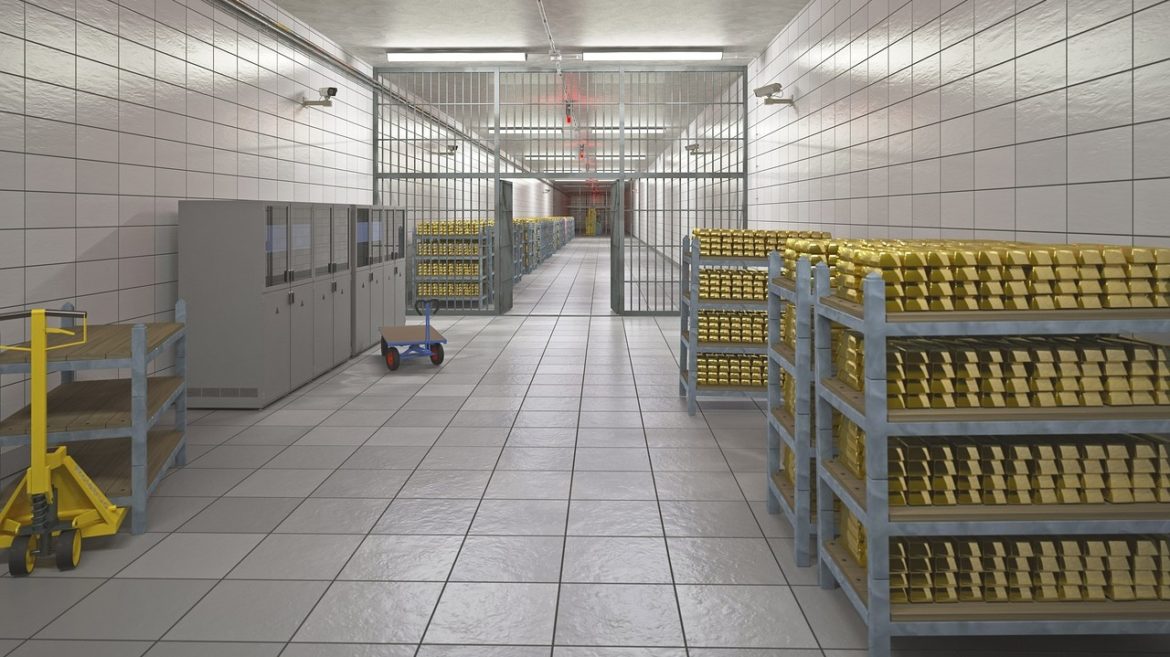
Excluding another big sale by Turkey, central banks were net buyers of gold in May, according to the latest data compiled by the World Gold Council.Eight central banks added gold to their reserves in May with net purchases totaling 50 tons.