
Precious metals are apparently waking up. And here is where you can find the best deals.


Site:
Precious metals news
 Washington's Fiscal Blowout: Interest on Federal Debt Has Hit 15.5% Of All Federal Debt
Aug 9, 2023 - 06:57:17 PDT
President Biden and Congress have set alarming records with their skyrocketing spending and deficits. In just the first 10 months of the fiscal year, the deficit reached a staggering $1.62 trillion, a 131% increase from the previous year, despite a growing economy and no ongoing domestic crises. With revenues dropping by 10% and outlays rising by 11%, the fiscal mismanagement is evident. Interest on the federal debt alone surged by 34%, nearly overshadowing the entire corporate tax revenue. Biden's fiscal performance is one of the worst in presidential history.
Long-term inflation expectations in the eurozone have spiked alarmingly to their highest since 2010, casting serious doubts on the European Central Bank (ECB)'s ability to control inflation. Driven by factors such as escalating oil prices and the economic fallout from Russia's actions in Ukraine, the unsettling rise indicates the ECB's measures might be insufficient. With the bank hinting at halting interest rate hikes, experts are sounding the alarm about the potential onset of stagflation in the eurozone, a devastating scenario of economic stagnation combined with runaway prices.
Agency will no longer rank companies’ environmental, social and governance risks from 1 to 5. Amid mounting skepticism and political scrutiny, S&P Global abruptly stopped its ESG scoring system for corporate borrowers. This decision starkly contrasts with its rival, Moody's, which continues to rate ESG criteria. Critics argue that such scores are unreliable, while some believe S&P's U-turn signifies either the ineffectiveness of the ratings or is a capitulation to increasing political pressures against ESG metrics.
 Italian Government Waters Down 40% Windfall Tax in a Bid to Calm Market Jitters
Aug 9, 2023 - 06:01:59 PDT
Italian bank shares took a hit earlier this week following the government's sudden announcement of a 40% tax on excess profits, erasing over 9 billion euros from the market capitalization of the Italian banking sector. This unexpected move was later slightly softened by the finance ministry, leading to a minor recovery in shares. Critics argue the initial decision was poorly communicated and ill-calculated, raising concerns over the Italian government's fiscal decisions and causing instability in the banking sector.


After the Federal Reserve incentivized borrowing with more than a decade of artificially low interest rates and easy money, the debt chickens are coming home to roost.Last week, Fitch Ratings downgraded the US’s long-term credit rating from AAA to AA+, and on Monday, Moody's cut the credit rating of 10 small and midsize banks.
Amid a staggering 116% inflation rate, Argentina is in turmoil, with its populace eagerly awaiting the results of the upcoming presidential elections in hope of stability. For countless citizens, skyrocketing prices have made daily sustenance a challenge. Stories of professionals taking multiple jobs or parents foregoing meals for their children's sake depict a nation in distress. Despite being a country renowned for cattle, many, like young mother Oriana Gago, lament being unable to afford basic meat or milk. The unsettling reality for Argentines is the potential for an even steeper economic decline, irrespective of the election outcome.
 Forced Acceptance Of CBDCs Next?: Major Australian Banks Are Going Cashless
Aug 9, 2023 - 05:43:43 PDT
The shift towards a cashless society is accelerating, particularly in Australia, where cash payments have plummeted from 70% in 2007 to 13% recently. Advocates highlight the convenience of digital transactions, including Central Bank Digital Currencies (CBDCs). However, the move to digital poses risks: loss of privacy, increased government control, and susceptibility to power grid failures. Despite the appeal of cryptocurrencies as an alternative, governments are unlikely to give up their monetary control. It's prudent to retain some assets in tangible forms like cash, gold, or silver to ensure financial security.
 Inflation Expectations Over the Next 5-10 Years Have Risen to the Highest Levels in More Than a Year
Aug 8, 2023 - 14:06:00 PDT
Wall Street is reevaluating U.S. government bonds as the Treasury Department aggressively sells bonds to finance a rising federal deficit. Concerns arise about how long fiscal spending, which might have driven recent inflation, can continue, especially given Fitch’s recent downgrade of the U.S.'s credit rating. There's a realization that bond yields could increase due to the current economic landscape. As we approach an election year, market volatility is anticipated. Despite some predictions of the U.S. curbing spending due to massive debt and low unemployment, others believe rising inflation pressures might push the bond market and the Federal Reserve to reassess their strategies.
 The Worlds Factory: China’s Economy Expected to Have Slipped Into Deflation as Recovery Falters
Aug 8, 2023 - 13:06:32 PDT
China's economy is nearing deflation, with a predicted 0.4% drop in consumer prices for July. Retailers are cutting prices after a slower post-pandemic recovery than anticipated. Moreover, trade data showed a significant decline in exports and imports. Jim Reid, a strategist at Deutsche Bank, emphasized that the data indicates the Chinese economy is being impacted by both weak global demand and a domestic slowdown.
Aug 8, 2023 - 12:38:40 PDT
In 2018, CBO projections optimistically predicted the interest expense on the national debt would rise to 3.8% by 2035, surpassing defense spending. These projections assumed steady economic growth and consistent inflation. By 2020, the Covid recession occurred, followed by inflation and increasing interest rates amidst high deficit spending. Now, the interest on the national debt has soared to nearly a trillion dollars, or 3.7% of GDP. The CBO's forecasts, which still predict only a slow rise in interest rates, appear unrealistically hopeful, especially as the current treasury market yields exceed 4%. With the deficit projected at $1.5 trillion for 2023, but already reaching $2.2 trillion, the CBO's pessimistic projections may even be too rosy. The nation's escalating debt crisis is intensifying.
The 2024 presidential candidates are being urged to commit to not altering Social Security. However, such a commitment indirectly supports a 23% benefit reduction by 2033 due to the impending insolvency of the Social Security retirement fund. This reduction equates to a $17,400 yearly cut for a typical dual-income couple retiring that year. The Social Security program's trustees forecast the fund's reserves will run out by 2033, leading to mandatory benefit reductions for all 70 million beneficiaries. Candidates avoiding the issue are essentially supporting significant benefit cuts for retirees in the near future.
The decline in the office market is hitting small and regional banks hard. Delinquencies for commercial property loans rose to 4.41% in July. Forecasts indicate a significant drop in office values by 2025, possibly not recovering even by 2040. Over half of the $2.9 trillion in commercial mortgages will need renegotiation soon. However, an uptick in future delinquencies is expected as more property owners return their properties. Meanwhile, the Federal Reserve continues its money-printing.
Despite Wall Street's optimism about avoiding a recession, several industry executives have reported sector-specific downturns. Industries facing recessions include manufacturing, real estate, freight, and tech, among others. Statements from leaders like Jordan Kaplan of Douglas Emmett Inc. and Jonathan Johnson of Overstock.com indicate significant industry challenges. The increasing number of industries in decline might eventually lead to a broader economic recession.
 Maersk Warned of a Steeper Decline in Global Demand for Shipping Containers
Aug 8, 2023 - 08:32:59 PDT
A.P. Moller-Maersk, a leading global container shipper, anticipates a sharper drop in global demand for shipping containers due to subdued economic growth and inventory reductions by customers. Maersk faces challenges from falling freight rates, a slowing global economy. The company's Q2 earnings showed a decrease in EBITDA to $2.91 billion, down from $10.3 billion the previous year, and revenues plummeted 40% to $13.0 billion.

U.S. Treasury sales are under pressure, testing investor demand as they face the largest refunding auctions since last year. Surging yields, driven by a stronger U.S. economy and increased borrowing signals from the Treasury, highlight concerns about the rising U.S. budget deficit. Fitch Ratings' recent downgrade of the U.S.'s top credit rating underscores these fiscal worries. This week, the bond market grapples with absorbing over $100 billion in auctions amidst looming inflation reports.
The Biden administration's push for a central bank digital currency (CBDC) raises alarming privacy concerns, as such currencies could enable extensive government surveillance of individual transactions. Globally, skepticism is mounting: Nigeria's CBDC adoption flopped, and a mere 16% of Americans support a CBDC. As this distrust grows, U.S. lawmakers are proposing bills to limit CBDC development. The CBDC push is a worrying step towards reduced financial freedom and privacy.

U.S. consumers are facing significant debt issues. In May, consumer credit growth plummeted over 50% from April. While credit card debt increased, student and auto loans unexpectedly dropped for the first time since April 2020. By June, credit card debt decreased. Usually, a decline in this area suggests an impending recession. This comes as credit card interest rates surge to an alarming 22%. Additionally, student loans decreased by $9.1 billion, and with mandatory repayments resuming soon, more financial strain is anticipated.
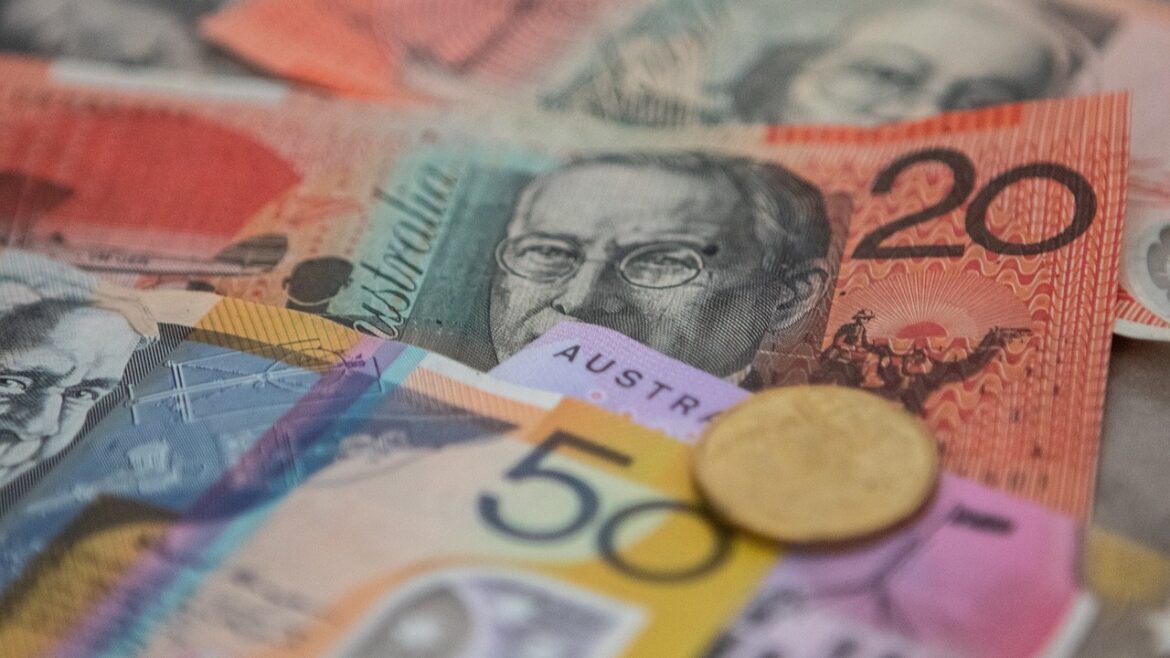
Australia has become the front line in the war on cash with an aggressive effort to ring physical money out of the economy.Over the last financial year, more than a billion dollars worth of physical cash disappeared from circulation, according to data released by the Reserve Bank of Australia (RBA). The Australian news service 9News called it "the strongest sign yet" that the country is moving toward a cashless society.


There is something brewing in the silver chart that Mike Maloney wants you to see. To unpack this, Mike has invited Tavi Costa, a renowned portfolio manager at Crescat Capital, onto the show. Tavi's insights have been spotlighted by Bloomberg, The Wall Street Journal, CNN, and many other major outlets. Together, they delve deep into what might be on the horizon for silver. In this riveting discussion, they explore:

Flashing another recession warning sign, credit card spending suddenly fell off a cliff in June.American consumers have been using credit cards to make ends meet for months, but with credit card debt at record levels, rising interest rates appear to have slammed the door on spending. Credit card debt contracted in June for the first time since April 20201, according to the most recent data released by the Federal Reserve.