
Precious metals are apparently waking up. And here is where you can find the best deals.


Site:
Precious metals news
 The Debt Crises - It May Present the Greatest Financial Disaster of All Time: Rickards
Oct 4, 2023 - 13:01:44 PDT
Soaring global debt levels have surpassed safe debt-to-GDP ratios, signaling looming financial instability. Although nations can avoid default by printing more money, this strategy risks severe consequences. The U.S., once a model for managing debt through gradual inflation, has recently adopted reckless fiscal policies. Countries like Japan mirror this pattern, with poor fiscal discipline and minimal inflation. A sudden, impending debt crisis threatens global economies.

BREAKING: US debt has skyrocketed by $275 billion in a single day, setting a new record at $33.44 trillion, according to Zerohedge. Just two weeks ago, the US debt reached $33 trillion. This rapid increase equates to a daily debt accumulation of $32 billion over the past 14 days. If this rate continues, the US will add another $1 trillion in debt within a month. The debt ceiling is uncapped until 2025. All as a part of the debt ceiling bill. The debt ceiling “crisis” is far from over.

JPMorgan and Goldman Sachs have highlighted the plummeting sentiment in US consumer stocks. Following a short-lived surge at September's end, the XRT retail ETF is now at its lowest since June. With Q4 approaching, stakes are high in the consumer sector. Goldman's Prime Brokerage observed that shorting in consumer discretionary stocks has reached its peak this year due to mounting macroeconomic challenges.

The White House announced loan relief benefiting 125,000 Americans, due to modifications in federal programs. This includes $5.2 billion for 53,000 public service employees, $2.8 billion for 51,000 borrowers with over 20 years of payments, and $1.2 billion for 22,000 borrowers with disabilities. This action follows the Supreme Court's rejection of Biden's initial plan to reduce $430 billion in student debt.

Amid the era of "Bidenomics," college students are grappling with surging credit card debt as interest rates soar. Despite record-high credit card debt signifying financial strain, certain Republicans, like Senator Josh Hawley, are suggesting solutions reminiscent of Biden's economic policies. Hawley's proposed government rate regulation might deny some Americans credit access altogether or provide credit under unfavorable terms. Instead of government-led fixes, a genuine solution requires reduced federal spending, improving credit access, and beneficial tax policies. Government "solutions" like regulating credit card rates merely mirror the issues of Bidenomics.
Services PMI has dropped to its lowest since January, barely indicating growth. Costs have surged, causing service providers to increase prices rapidly. Consumer services demand, including travel and tourism, has diminished, and financial services are in a slump. As the year ends, indicators suggest slowing GDP growth coupled with rising prices, confirming stagflation.
Oct 4, 2023 - 06:42:15 PDT
Jeff Gundlach of DoubleLine Capital warns that rising bond yields indicate an imminent U.S. recession. He emphasized the rapidly de-inverting U.S. Treasury yield curve and stated that even a slight increase in the unemployment rate will trigger a recession alert. Historically, an inverted yield curve has foreshadowed every U.S. recession since 1969. Other Wall Street experts also foresee potential economic turmoil due to the bond-market shifts.

Rising interest rates are destabilizing Wall Street's outlook. The Federal Reserve's previous low-rate stance is being upended, leading to significant financial market declines. Banks face major risks from increased government debt. As foreign investors and the Federal Reserve reduce their holdings in U.S. government bonds, fears of an impending recession intensify. Critics argue the Fed's aggressive actions might necessitate policy reversals.

Surging interest rates, coupled with escalating investor wariness and excessive borrowing in recent years, have plunged numerous developing countries into severe debt predicaments. As these nations grapple with the repercussions, resolving this escalating crisis will dominate discussions at the upcoming IMF and World Bank annual meetings in Marrakech.
Mortgage rates soared last week, leading to a 6% decrease in mortgage demand, hitting its lowest point since 1996, according to the Mortgage Bankers Association. The 30-year fixed-rate mortgage interest surged to 7.53%, up from 6.75% a year ago. Consequently, applications to refinance homes dropped 7% and purchase applications fell 6%, marking a 22% decline from the previous year. The spike in rates is discouraging potential homebuyers, and while adjustable-rate mortgage applications rose, overall confidence in the mortgage market is dwindling

Growth prospects and concerns over mounting government debt are driving long-term interest rates to a 16-year high, threatening economic stability. The Federal Reserve's attempts to address inflation with higher short-term rates have been overshadowed by this unexpected surge. The 10-year Treasury note yield has reached levels unseen since the 2007 crisis, causing significant stock market declines. If these elevated borrowing costs persist, they could hinder global and U.S. economic momentum, leaving experts puzzled over the precise causes of this rapid ascent.
ADP's job report showed a significant drop, adding only +89k jobs, the lowest since January 2021. Sectors like Manufacturing and Professional & Business Services experienced notable job losses. Additionally, wages have consistently declined over the past year. The Employee Motivation and Commitment Index unveiled dwindling worker motivation, which could negatively impact productivity. The reasons are ambiguous, but the decline suggests the need for workers to adapt to the changing job market. The slide in work motivation further underscores the shortcomings of 'Bidenomics'.


Central bank gold buying continues to sizzle.Central banks globally added a net 77 tons to their reserves in August, according to the latest data compiled by the World Gold Council.

You can hold physical gold and silver in an IRA, and there are certain advantages to doing so.Historically, IRAs with an allocation to precious metals perform better than IRAs with no exposure to silver or gold. There are also tax benefits when contributing to an IRA.
The national debt recently blew past $33 trillion. And yet with the exception of a few intransigent Republicans, there is virtually no discussion about reining in spending.Congress managed to avoid a government shutdown by passing a continuing resolution that did very little to address spending. But as Ron Paul points out, there was a small victory in the CR that could bode well for the future.
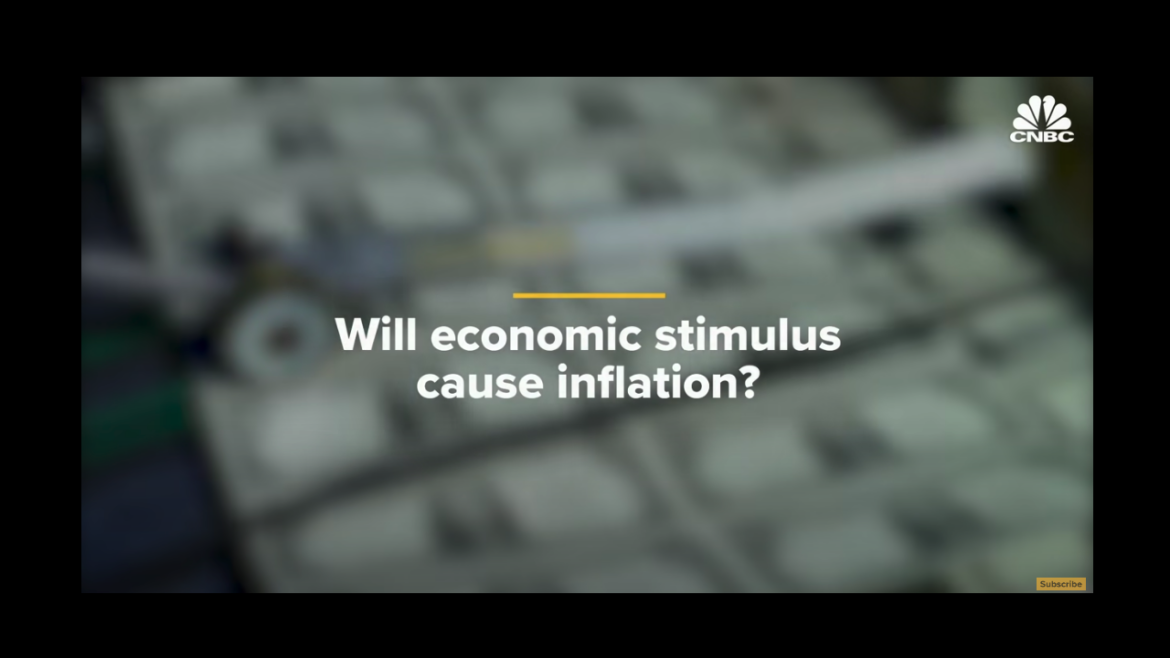
I recently ran across a video produced by CNBC back in July 2020. It is titled "Why Printing Trillions of Dollars May Not Cause Inflation."That aged poorly, didn't it?And people wonder why I keep saying you should be skeptical of mainstream narratives.
 SILVER SYMPOSIUM PRESENTATION: The Energy Cliff & Move From Building Wealth To Protecting Wealth
October 4, 2023

Here is my Silver Symposium presentation for SRSrocco Report members. Interestingly, while I presented this information to the attendees, another LIGHT-BULB went off in my head. It is very IMPORTANT that you all watch this presentation because I also believe it will CONNECT MORE DOTS...
UAE gold prices are nearing this year's low at Dh205.00 per gram for 22K, prompting a shopping spree among locals and tourists alike. Consumers, showcasing astuteness in navigating price drops, are actively locking in rates and making purchases, while also engaging in advanced bookings for future buys. This surge in gold trading, occurring amidst a bustling tourist season and aligning with festive buying, spotlights gold's enduring allure as a favorable investment and purchase. With a keen eye on price movements and robust demand, the precious metal retains its lustrous appeal in the market.

Amid a turbulent bond market, investors are witnessing soaring yields and waning confidence, challenging the staple 60/40 investment strategy and prompting considerations of alternatives like gold. Bonds, once a reliable hedge and stabilizer, now falter amid stubborn inflation, potentially steering portfolios toward riskier strategies and injecting further instability into an already precarious financial environment.
Oct 3, 2023 - 13:15:42 PDT
The Fed, even after reducing its balance sheet from $8.97 trillion, still hoards over $8 trillion, highlighting a troubling persistence in shaky financial strategies. While engaging in loss-concealing tactics via the $108 billion Bank Term Funding Program (BTFP) program, it merely offers a smokescreen for the banks and the blunders from a decade of speculative encouragement and QE doubling since 2020. With surging small business bankruptcies in 2023 and the inability to mitigate the tangible losses from them and commercial real estate, the Fed's strategies teeter on a precarious edge, echoing larger, looming financial distress.