
Precious metals are apparently waking up. And here is where you can find the best deals.


Site:
Precious metals news

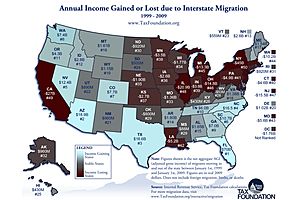
"Which state will be the first to suffer fiscal collapse?"

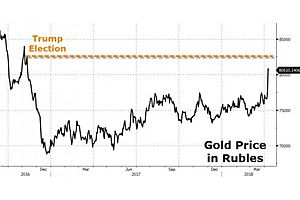
The price of gold in Russia has surged back near its highest since the US election in 2016...
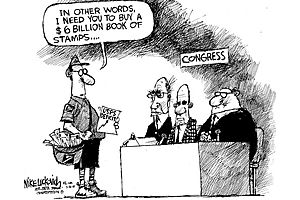
"The Taxpayers Protection Alliance (TPA) warns that a taxpayer-funded bailout is becoming increasingly more likely as the postal service debt racks up."
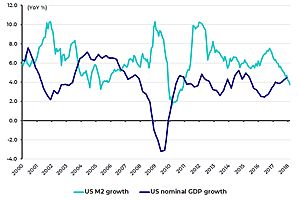
"Bank lending data continues to look bizarrely weak given current cyclical acceleration expectations."

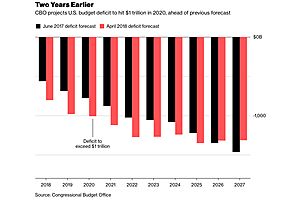
The U.S. budget deficit will surpass $1 trillion by 2020, two years sooner than previously estimated, according to the Congressional Budget Office.
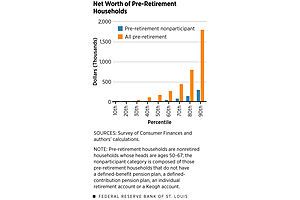
As baby boomers age, significant debate has emerged about whether there is a retirement crisis developing in the U.S. Some argue that the retirement situation is poor for many Americans, with many approaching retirement age with little or no savings. However, others describe the situation as better than…Read More
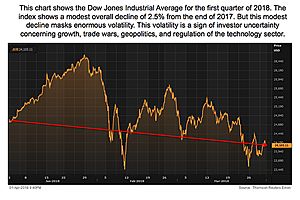
"None of these four issues will be resolved quickly. It may take six months of data before the Fed realizes the economy is weak despite tax cuts."


Former Morgan Stanley Asia Chairman Stephen Roach says a trade war could hurt the U.S. more than China.

Trade talks between the world’s biggest economies broke down last week after the Trump administration demanded that China curtail support for high-technology industries, a person familiar with the situation said, signaling that a resolution may be some ways off.

Chinese President Xi Jinping on Tuesday plans to further open up the Chinese economy, including lowering import tariffs for autos and other products, enforcing the legal intellectual property of foreign firms
 Keith Weiner: Bonds Suck And Holding Dollars Sucks More But You Can Opt-Out With Gold
April 10, 2018

"The reason to own gold—with that portion of your savings that you don’t need for liquidity—is not price speculation. If the same ounce fetches..."

There are some unprecedented events occurring in the precious metals markets right now - find out about the four biggest signs for silver in this delayed preview of Mike Maloney's Insiders Report (made available to customers on April 3, 2018).

It’s a relatively quiet trend, but the most active of investors—hedge funds and traders—are aggressively putting gold hedges in place.It shouldn’t really be a surprise, given the recent spike in volatility in the stock market. It hasn’t been reported much in the mainstream, but an increasing number of people who make their living from investing are betting on gold.We’ve shown this data before, but the trend continues to build strength. Gold trading volumes on the COMEX surged to yet another new high last quarter.

"worsening of the U.S. fiscal position could support the precious metals, as was the case during the 2000s. Fears about the twin deficits, combined with..."

Sentiment may be terrible, but that's exactly what is seen when markets are at major turning points. Here's what it means for gold & silver...

And silver is set-up to have a move even more violent than gold. Here's the details...

Gold was a little choppy overnight in a range of $1326.90 - $1334.25, largely fading movements in the US dollar.


Russian Energy Minister Aleksandr Novak said the country is considering an option of payments for oil in national currencies, in particular with Turkey and Iran.


The stock market continued its yo-yo ways on Friday. After three straight days of healthy gains, the Dow Jones Industrials fell 572 points to end the week, closing below 24,000. The Nasdaq also plunged, dropping 161 points.Peter Schiff has been saying for weeks this is a bear market. Well, now even Pres. Trump has said investors may see some short-term pain in the stock market. But the president says it will all be worth it because we will get long-term gain, referring to the benefits we'll reap when we win the trade war. In his most recent podcast, Peter said that's not how it's going to play out.We're going to have short-term pain and then the pain is going to get worse in the long-run."The big problem is, nobody is really ready for any pain at all.

It looks like the subprime auto loan bubble has popped.Last year, we reported that the auto industry's check engine light was on. Now it looks like the thing is totally breaking down. Small subprime auto lenders are starting to go belly-up due to increasing losses and defaults. As ZeroHedge noted, "we all know what comes next: the larger companies go bust, inciting real capitulation."