
Precious metals are apparently waking up. And here is where you can find the best deals.


Site:
Precious metals news
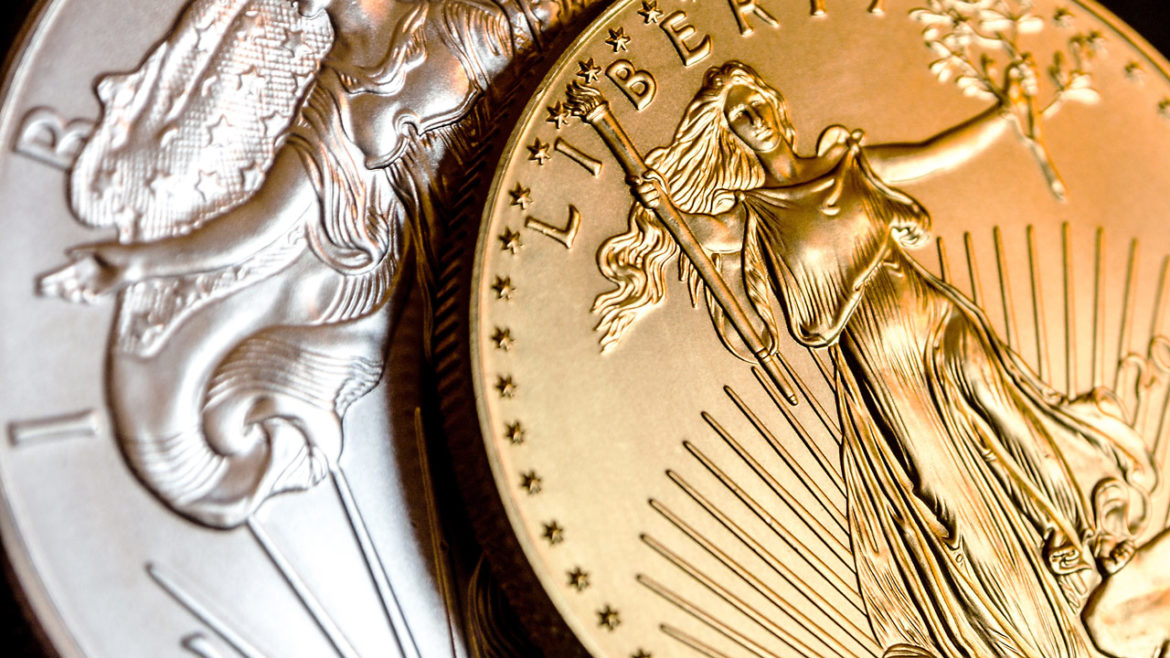
The global precious metals market is on pace to top $400 billion within the next five years.According to Fortune Business Insights, an India-based consultancy company, the precious metals market is on pace to hit $403.1 billion by 2028, driven primarily by the gold market. This is up from $275 billion in 2021.
The great anti-federalist Brutus wrote, “I can scarcely contemplate a greater calamity that could befall this country, than to be loaded with a debt exceeding their ability ever to discharge.”And here we are.With little fanfare, the national debt blew past $32 trillion last week.
 In Another Potential Blow to Dollar Dominance, Kenyan President Urges Shift Away from Greenback in African Trade
June 19, 2023
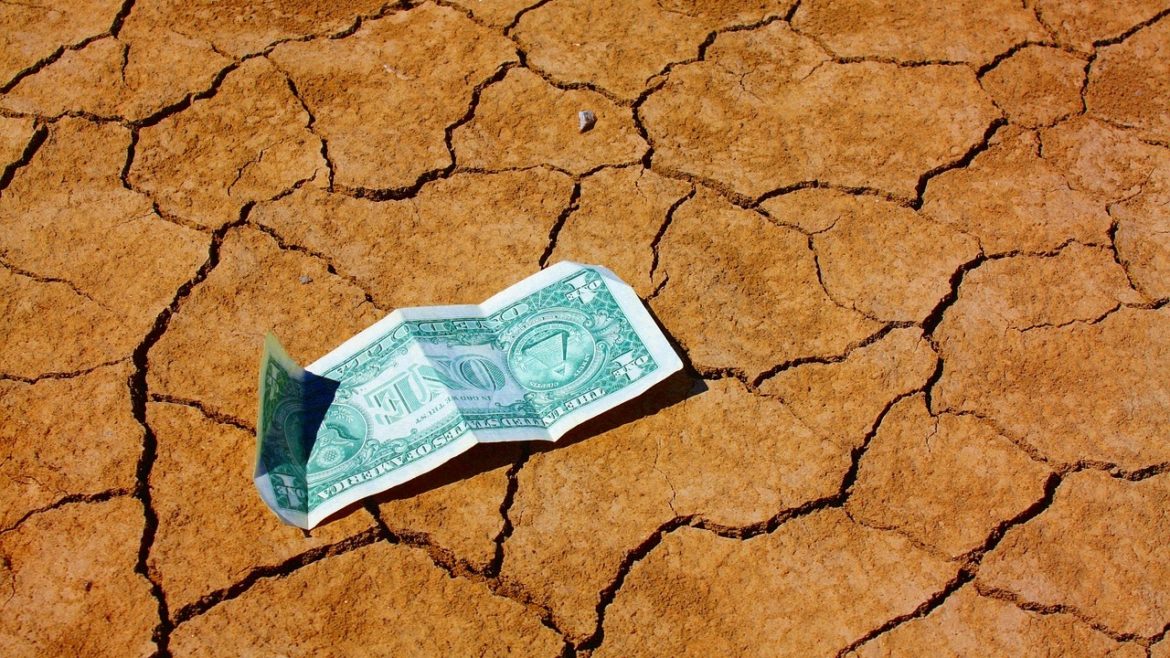
Dollar doubts continue to grow, threatening the greenback's perch at the top of the global financial system.Last week, Kenyan President William Samoei Ruto suggested that African nations should shift away from using the dollar in intercontinental trade.
 METALS & ENERGY UPDATE JUNE 19th: What's Going On With The Precious Metals & Get Prepared For Energy Cost Push In...
June 19, 2023

While the Federal Reserve thinks it has the upper hand on inflation... think again. Unfortunately, for the Federal Reserve, it will be an impossible task to tame the future "Energy Cost Push Inflation." Why, the Energy Cliff returns to BITE HARD in the next several quarters...
Gold's recent pullback appears to be bottoming out, displaying resilience despite hawkish sentiments from the Federal Reserve. Speculators maintain bullish positions, indicating positive sentiment. The current upleg is still in its early stages, with significant room for growth as stage-two buying has yet to fully engage. This suggests the potential for a larger gold upleg fueled by positive catalysts and increasing momentum.
Silver demand experienced a significant surge in 2022, propelled by growth across fabrication sectors and industrial applications. India witnessed record-high imports, while rising silver prices indicate positive market trends. Analysts anticipate further price increases in 2023, highlighting silver's potential for continued growth and its status as a safe haven asset.
Gold has formed a solid base around $1,900, displaying resilience despite a strong stock market and a strengthening U.S. dollar. There has been a small net increase in gold bullion ETF holdings, suggesting a potential catalyst for higher investment demand. Although current holdings are lower than previous highs, reaching the all-time high of $2,075 per ounce is seen as a possibility. The macroeconomic conditions remain supportive of gold in the long run.
The BRICS economic bloc aims to challenge the global order and reduce reliance on the U.S. dollar. 20 countries are reportedly applying for membership, with their acceptance determining the bloc's expansion plans this summer.
 The U.S. Dollar Conquered the World. Is It at Risk of Losing Its Top Spot?
Jun 16, 2023 - 12:59:42 PDT
The U.S. dollar's rise to become the dominant international currency was a meticulously planned strategy that unfolded at the Bretton Woods Conference in 1944. With the British Pound Sterling faltering after World War II, the conference sought a common currency to facilitate global trade. Recognizing the need for stability, the U.S. dollar, backed by substantial gold reserves, emerged as the chosen currency, securing its position at the top.

Argentina battles high inflation, prompting citizens to consider emigration. The government supports a struggling currency, causing desperation among the populace.
 A Recent Economist/YouGov Poll Found That 52% Believe the Economy Is Getting Worse
Jun 16, 2023 - 12:19:45 PDT
President Biden's economic plans have not effectively tamed inflation. Despite his claims, the cumulative impact of his government spending already surpasses that of any other president this century. The 4% increase in the inflation rate is not a result of his policies, but rather the Federal Reserve's intervention.
Michael Hartnett, the chief investment strategist at Bank of America, has cautioned that the stock market may face another downturn soon. He doubts the emergence of a new bull market and compares the current situation to previous market collapses in 2000 and 2008. Hartnett predicts a maximum upside of 100 to 150 points for the S&P 500 but warns of a downside risk of 300 points by early September, mentioning Labor Day specifically.
Jun 16, 2023 - 12:00:59 PDT
On June 14, the Fed signaled two more interest rate hikes in 2023, with one scheduled for July. The market agrees with the "Long Pause Theory" of no rate cuts this year. However, the author remains skeptical, believing that stock prices are inflated and unrealistic, regardless of the Fed's actions.
Jun 16, 2023 - 08:42:22 PDT
DoubleLine Capital CEO and billionaire bond investor Jeffrey Gundlach doubled down on his recession call and said he still liked gold as 'real money' despite the precious metal's trouble staying above $2,000 an ounce.
Read more on "Kitco"
 The Fed’s Real Problem May Be The Government – Inflation Versus Deflation: Forbes
Jun 16, 2023 - 08:17:42 PDT
In this commentary, we will examine the tug-of-war between inflationary forces (labor shortages/residential shelter shortages/reshoring of manufacturing and assembly) and deflationary forces (aging population/high government debt levels/technological advancements) which may ultimately determine the path of inflation in the years to come.

Musk, the richest man in the world, however believes that the Fed's actions will cause another major economic issue: deflation. In short, the prices of most goods and services will go down. He just once again warned against an imminent arrival of deflation.
Analyzing crypto regulations, CBDC threats, and the impact of offshore platforms.
Jun 16, 2023 - 08:02:03 PDT
An API layer could facilitate a wide range of central bank digital currency payment scenarios, a Bank for International Settlements and Bank of England experiment has shown.
Jun 16, 2023 - 07:52:26 PDT
“This is probably one of the most challenging job markets we’ve seen since the 2008 financial crisis,” said Max Kemnitzer, managing director for banking and financial services at recruiter Michael Page in New York.

As it stands, though, sentiment remains low by historical standards as income expectations softened. A majority of consumers still expect difficult times in the economy over the next year.