
Precious metals are apparently waking up. And here is where you can find the best deals.


Site:
Precious metals news
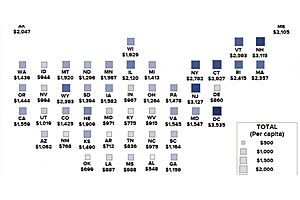
In 2018, a total of 691,145 Californians left for other states, with Texas as the top destination, according to Census data.
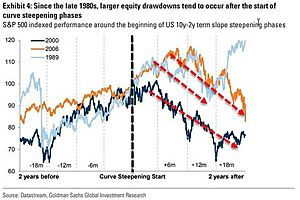
That is great news, right? No more recession risk, right? Wrong!

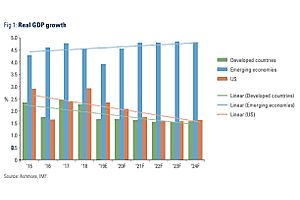
The simplest way to encourage a re-allocation of capital and therefore faster global growth is to weaken the Dollar. Dollar weakness will eventually happen by itself, or, alternatively, the US government may choose to weaken the Dollar unilaterally as a matter of policy.

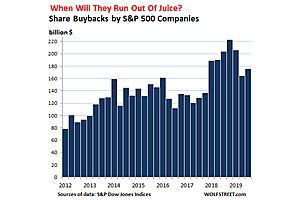
The Biggest Share-Buyback Queens: When Will They Run Out of Juice?
 Nationwide Direct Deposit Outage Hits Due To Federal Reserve "Network Issues"
Dec 19, 2019 - 08:15:18 PST
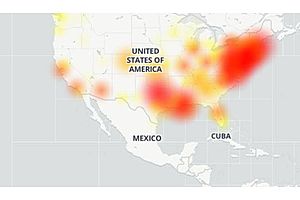
"The Federal Reserve is experiencing network issues causing certain transactions to be delayed. We're monitoring the situation closely in partnership with the Fed."
 Mnuchin Is 'Confident' Trade Deal Will Be Signed at Beginning of January
Dec 19, 2019 - 08:04:40 PST
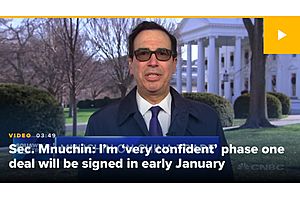
Asked by CNBC's David Faber how certain he is the trade deal will be signed on schedule, the secretary said he was "very confident."

We sat down with Art Cashin, managing director of UBS Financial Services who’s patrolled the floor of the New York Stock Exchange for more than 50 years, at Bobby Van’s Steakhouse to chat about what’s ahead in 2020.

The biggest retirement legislation in a decade—the Secure Act—is moving toward passage, stoking questions on a host of changes that will affect everything from what’s in your 401(k) to withdrawal strategies. We answered some of the most commonly asked questions.

CNBC's Diana Olick details new data on existing home sales and median home prices for the month of November.
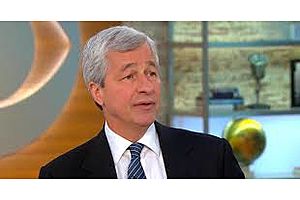
JPMorgan Chase is not just any bank. It is the largest commercial bank in the United States with $1.6 trillion in deposits – representing the life savings of moms and pops, public pension money, retirement funds and business accounts.


For all of us who instead choose to exist and live in reality and not FantasyLand, here's an update...

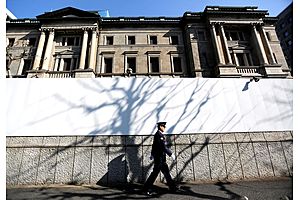
Kuroda said there were limits to how much the BOJ could deepen negative interest rates as prolonged ultra-low borrowing costs hurt financial institutions
European Central Bank interest rates, already deep in negative territory, could ...


Everybody knows that the 2008 financial crisis was caused by "deregulation" and "greed," right?Except that it wasn't.A film titled The Bubble offers a non-partisan, critical examination of the policies and events that led to the biggest crash since World War II. Produced by Jimmy Morrison and co-written by Tom Woods, the film features a who's-who of economic and financial experts including Jim Rogers, Jim Grant, Marc Farber, Doug Casey, Gene Epstein, David Stockman, Robert Murphy and Peter Schiff.After the New York premiere of the film, Fox Business' Liz Claman moderated a discussion with Gene Epstein, Jim Grant, Peter Schiff, David Tice, and Tom Woods. They talk about how they knew the crisis was coming and how it applies to today.
 Investors Think the Fed Has Restarted Emergency Stimulus, Despite Denials
Dec 19, 2019 - 06:26:59 PST
its post-crisis program of purchases of long-term government debt and mortgage bonds meant to stimulate economic growth and avoid deflation.
Consumers in Europe’s biggest economy will now face a 25 euros ($27.84) a ton surcharge rather than the 10 euros a ton initially proposed. The pollution premium will rise to 55 euros by 2025, a jump of almost three-fifths from the original proposal.
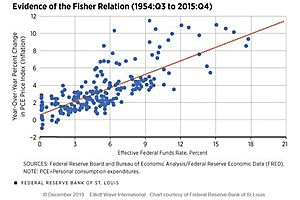
Many think that the downtrend in interest rates is not over and that negative rates are headed to America, the deflation blob coming via Japan and Europe.
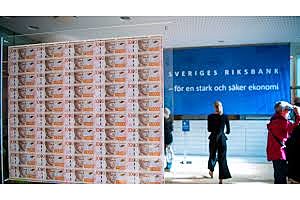
Sweden’s central bank ended five years of negative interest rates on Thursday when it raised benchmark borrowing costs by a quarter point to zero, defying an economic slowdown and global uncertainty.

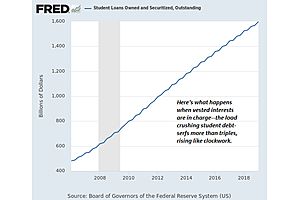
The reckoning is coming, and everyone who counted on "eternal growth of borrowing" to stave off the reckoning is in for a big surprise.
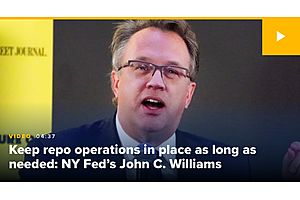
“We’re offering repo operations and T-bill purchases in order to provide reserves to the system.