
Precious metals are apparently waking up. And here is where you can find the best deals.


Site:
Precious metals news
Gold demand in China is set to rise amidst global uncertainties, driving interest in this safe-haven asset. Despite record-high gold prices, experts anticipate further increases due to potential US rate cuts. China's strong demand for gold jewelry and significant growth in the market for gold bars and coins highlight the country's robust interest in gold investments.
 Top U.S. Bank CEOs Warn Against Economic Impact of Proposed New Regulations
Dec 6, 2023 - 11:58:51 PST
Top Wall Street bankers, including leaders from JPMorgan, Bank of America, Citigroup, and Goldman Sachs, appeared before the Senate Banking Committee to oppose the Biden administration's proposed banking regulations. They warned that these changes might negatively affect the economy amid ongoing geopolitical tensions and inflation. This testimony is part of a series of Congressional appearances by major bank executives since the 2008 financial crisis.
 The Money Supply Continues its Biggest Collapse Since the Great Depression
Dec 6, 2023 - 10:29:16 PST
Money supply growth in October continued its deep negative trend, marking the twelfth consecutive month of year-over-year contraction since November 2022. This significant downturn in money supply growth, now at -9.33 percent in October, follows a period of unprecedented highs and is the largest contraction since the Great Depression. This level of decline has not been seen for at least sixty years, with money supply falling near or below -10 percent for the eighth month in a row.
 Sudden Spike In SOFR Hints At Mounting Reserve Shortage, Early Restart Of QE
Dec 6, 2023 - 08:37:50 PST
The Federal Reserve's Overnight Reverse Repo recently fell below $900 billion and dropped to $765 billion on December 1, indicating a significant decline in market liquidity. This trend points towards an impending strain on the financial system's credit plumbing, raising concerns about potential negative impacts on the market.
Dec 6, 2023 - 08:15:59 PST
U.S. banks are struggling with rising loan delinquencies and operational challenges, leading to a wave of branch closures. JPMorgan Chase is set to shut down 159 branches, and Bank of America plans to close over 100 branches by the end of 2023. These closures are part of a broader trend towards online banking and indicate ongoing difficulties in the banking sector.
Investors are increasingly anticipating that the European Central Bank (ECB) will be the first among major central banks to reduce interest rates next year. This expectation suggests that many money managers believe that the ECB may have already increased rates excessively in their efforts to control inflation.
Dec 6, 2023 - 08:03:50 PST
The Bank of England has issued a warning about the vulnerabilities in the private credit and leveraged lending markets, citing risks of "sharp revaluations." The Financial Policy Committee highlighted significant challenges due to high interest rates, persistent inflation, and uncertainties about long-term economic prospects. BoE Governor Andrew Bailey emphasized that these riskier corporate borrowing sectors are especially susceptible under the current conditions.

Moody's Investors Service downgraded its outlook for eight Chinese banks, including Industrial and Commercial Bank of China Ltd. and China Development Bank, to negative from stable. This follows Moody's recent bearish outlook on China’s sovereign bonds, influenced by concerns over high debt levels. The banks' outlook change is mainly due to the negative shift in the government's credit ratings.

Gold's Remarkable Surge: A Golden Opportunity in the Making. Gold's impressive climb from $1,831 to a record $2,091 per ounce showcases a robust bull market, perfectly synchronized with dropping Treasury rates. Holding firmly above $2,000, gold's outlook is exceptionally bright, promising significant gains for investors as this trend continues. This is a prime investment opportunity, with gold's value poised for even greater heights.

The flow of metal out of gold-backed ETFs slowed significantly in November, with North American ETFs charting gold inflows for the first time in five months.A total of 9 tons of gold flowed out of ETFs globally, but total assets under management increased by 2% thanks to the rise in the price of gold.

Fed in Wait-and-See Mode: Balancing Rate Hikes with Economic Health. Since March 2022, the Fed's 5.25% rate increase has slowed inflation but raised concerns about a potential economic downturn. The strong labor market contrasts with recession fears, suggesting the Fed might pause rate hikes. Futures markets anticipate this pause to last until at least March 2024, with potential rate cuts thereafter. This creates a complex environment: stocks have risen on rate cut hopes, but investors should be wary. Bond investors, however, may find opportunities during this pause.
Hospitality Sector Faces First Job Decline in Nearly 3 Years, ADP Data Shows DisappointmentDec 6, 2023 - 05:37:37 PST
ADP's November jobs report is alarming, revealing only 103k jobs added, far below expectations and marking a significant downturn. Manufacturing and hospitality sectors are particularly hard-hit, the latter losing jobs for the first time since early 2021. Wage growth is also at its lowest in over a year, amplifying recession fears and casting doubt on the stock market's current resilience. This stark data challenges the optimism for future rate cuts.

Global debt is expected to reach $97.1 trillion in 2023, marking a significant 40% rise since 2019. The COVID-19 pandemic prompted governments to implement major financial interventions to support employment and avert widespread bankruptcies, but these measures have revealed weaknesses. Now, with rising interest rates, the cost of borrowing is intensifying, highlighting the increasing burden of this debt.
The renminbi has made significant strides in 2023, despite depreciating against the US dollar earlier in the year. Its share in global payments increased from 1.9% in January to 3.6% by October. This growth highlights the currency's expanding role in international transactions, as reported by the People’s Bank of China, marking a positive development in its global use.
Dec 6, 2023 - 05:17:17 PST
Bank of Japan Deputy Governor Ryozo Himino hinted at ending the negative interest rate policy, exploring possible effects of transitioning to positive rates. While affirming commitment to monetary easing until achieving inflation targets, Himino examined impacts of withdrawing from extensive stimulus, referencing past experiences of negative rates.
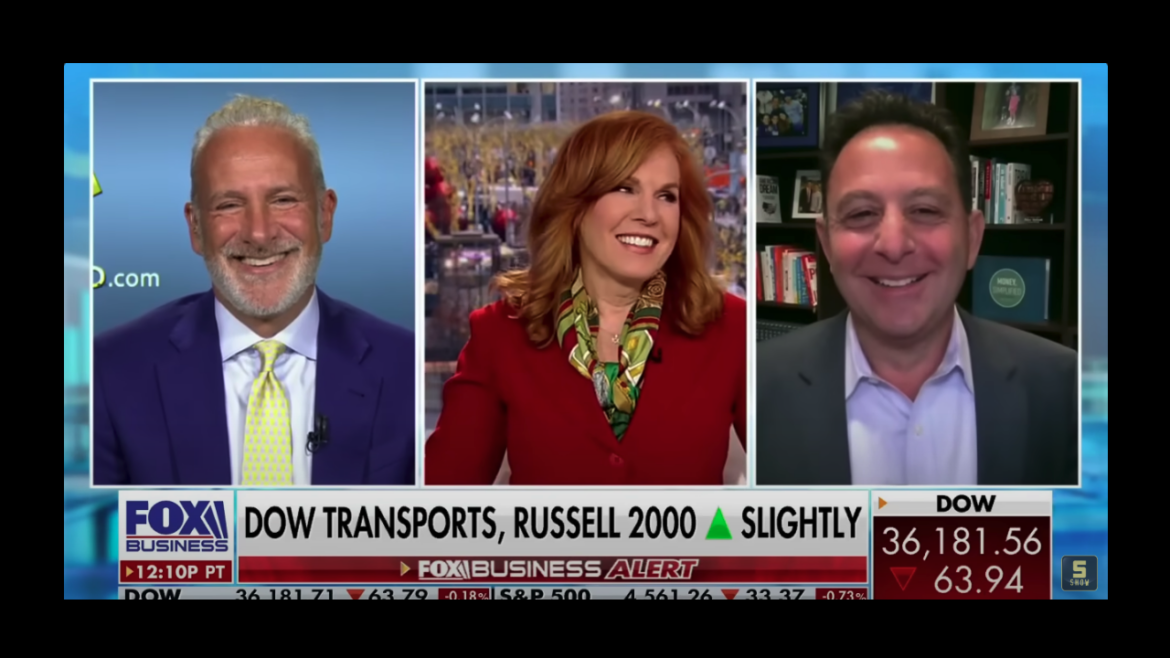
Peter Schiff recently appeared on the Claman Countdown with Creative Planning president Peter Mallouk to talk about the recent record high in gold and the trajectory of the markets over the next few months.Mallouk is bullish on the stock market, but Schiff makes the case that this is gold's day.
 In Another Camp Economists Say Interest Rates Are Going to Stay Higher for Longer: Kenneth Rogoff
Dec 6, 2023 - 05:10:52 PST
The prevailing belief that government debt is a "free lunch" due to low interest rates is being challenged as interest rates rise. This shift highlights the risks of high government debt, including increased interest payments and inflation. The assumption that interest rates would remain low indefinitely is proving incorrect, forcing a reevaluation of fiscal policies and the real costs of debt.
Worldwide Bond Rally Gains Steam Amid Widespread Speculation of Rate CutsDec 6, 2023 - 05:03:23 PST
(Global bond markets are surging due to expectations of central banks, like the ECB and the Federal Reserve, easing monetary policies next year amidst reducing inflation concerns. Investors are now betting on potential rate cuts starting as early as early 2024, leading to a significant bond rally as the year concludes. This marks a notable shift from earlier hawkish stances.
Dec 5, 2023 - 12:26:33 PST
In China's Sichuan Province, archaeologists have unearthed over 70,000 artifacts from the 17th century, including gold and silver, linked to the warlord Zhang Xianzhong. His sunken treasure, a result of a failed rebellion against the Ming Dynasty, has been discovered in the Min River. The finds from Zhang's fleet, including significant historical and cultural relics, offer insights into the era's social turmoil and Zhang's controversial rule. This discovery aligns closely with historical accounts of that tumultuous period.
Dec 5, 2023 - 12:10:26 PST
In October, central banks globally added a net total of 42 tonnes to their gold reserves, continuing a robust buying trend. The People’s Bank of China was the largest buyer, significantly increasing its reserves, followed by the Central Bank of Turkey and the National Bank of Poland. Despite higher sales volumes from countries like Uzbekistan and Kazakhstan, the overall trend of strong central bank gold buying remains unaltered, reinforcing gold's positive outlook in the global market.