
Precious metals are apparently waking up. And here is where you can find the best deals.


Site:
Precious metals news

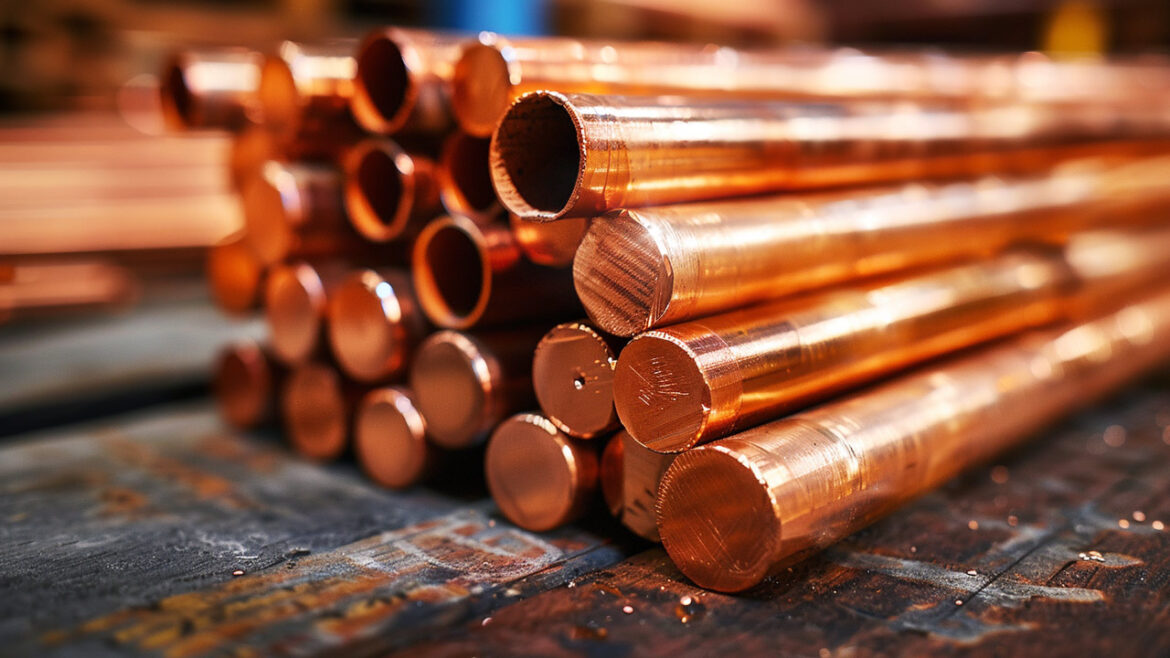
When unemployment and inflation cause skyrocketing incentives for thieves to steal industrial metals like copper, criminals rush for some of the biggest sources: critical infrastructure. That includes cell towers, water pipes, street lights, and rail lines. These copper heists threaten transportation, communication, municipal services, urban safety, and other essentials of modern life.
JD and Joel discuss why gold's breakout past the $2,200 resistance level means higher highs from here on out. Higher prices are driven by a dovish Fed, weakness in the dollar, and poor economic data. This week they also discuss Peter's most recent appearance.
 THE NON-RENEWABLE U.K. DRAX BIOMASS PLANT BOONDOGGLE: Massive Wood Pellet Global Supply Chain Is Unsustainable
March 29, 2024

If the Green Energy transition couldn't get any worse... I give you the U.K. DRAX Biomass Powerplant Boondoggle. Someone thought it was a good idea to switch the U.K.'s largest coal-fired power plant to burning wood pellets until you peel back the layers and look into the massive global supply chain...

Larry Fink, CEO of BlackRock, the world's largest asset manager, has issued a dire warning about the United States' escalating national debt, now exceeding $34 trillion. Echoing concerns raised by Jamie Dimon and Jerome Powell, Fink emphasizes the urgency of the situation, likening potential outcomes to Japan's economic stagnation during its 'lost decade.' He highlights the peril of assuming that investors will indefinitely support the U.S.'s growing fiscal deficit. Additionally, Fink points out the danger of the recent rise in U.S. Treasury yields to 4%, a result of inflation expectations and the Federal Reserve's aggressive rate hikes.


Will HSBC’s new gold token mark the start of a new era in gold investing? Or is it simply another ‘paper gold’ mirage?
Despite a buoyant market with a strong dollar and high returns from stocks and cryptocurrencies, gold prices have surged to unprecedented heights. Notably, after achieving a record peak in mid-March, the price of gold remained robust, standing at $2,195.24 per ounce as of March 28, closely following a spike to $2,222.39 just a week before. The World Gold Council explores why gold prices have been taking off...
If you ask a liberal politician who their favorite economist is, there are three likely responses. One response is a panicked change of topic. From the slightly more sophisticated politicians who skim the New York Times, you might hear Paul Krugman. From the politicians who style themselves intellectuals of the left, you’d hear Thomas Piketty.
Gold is set to achieve its most significant monthly increase since November 2022, driven by expectations of U.S. interest rate cuts, robust demand for safe-haven assets, and substantial purchases by central banks. With a 0.8% rise to $2,212.47 per ounce and heading for an over 8% monthly and a consecutive quarterly increase, gold reached a record high last week, bolstered by the Federal Reserve's forecast of three rate cuts in 2024. The precious metal remains close to its peak, as investors await further U.S. economic data that could sway the Fed's future monetary decisions.

Federal Reserve Governor Christopher Waller emphasized the need for patience in adjusting short-term interest rates amidst recent inflation data that hasn't met expectations. Speaking at the Economic Club of New York, Waller suggested maintaining the current rate to ensure inflation moves back towards the Fed's 2% target, indicating a cautious approach towards any potential rate cuts later in the year. Despite the setback in inflation, Waller remains open to adjusting rates if progress on inflation is observed, highlighting the Fed's flexibility in response to economic indicators. The stance reflects a strategic wait-and-see approach, leveraging the strong economy to justify the current restrictive monetary policy while remaining vigilant on inflation trends.

Discover the truth behind HSBC’s claim of tokenizing gold with Mike Maloney and Alan Hibbard.

While the total annihilation of the Francis Scott Key Bridge in Baltimore probably isn’t a “Black Swan” big enough to trigger a global collapse, it adds potent fuel to several fires in an already fragile global economy.
This current bullish trend in the gold market is unique due to widespread optimism among analysts, traders, and bankers, albeit with some caution. The anticipation of a rise to $2,500 per ounce is fueled by favorable financial conditions, including interest rate cuts by major central banks like the Swiss National Bank, expected similar actions by the US Federal Reserve and others, election year dynamics, and ongoing wars. Gold recently hit a record high of $2,221 but needs to consistently break through this level for sustained growth. The silence from informed dealers adds to the intrigue.
March has seen gold's price soar, hitting a new record of USD 2,221 per ounce, fueled by the Federal Open Market Committee's (FOMC) announcement of three projected rate cuts this year. Despite a slight dip following a surge in the dollar, gold is on track for a 7% gain this month, with silver not far behind at a 10% increase. This rally comes after both metals faced declines earlier in the year, reacting to rising dollar values and U.S. Treasury yields, which were influenced by higher inflation expectations and reduced rate cut forecasts.
 Larry Fink Critiques India's Gold Obsession: Little Economic or Investor Benefit
Mar 27, 2024 - 13:17:42 PDT
BlackRock's Larry Fink has pointed out that India's deep-rooted love for gold hasn't significantly benefitted its economy or yielded strong returns for investors. In his annual letter, the BlackRock Founder and Chairman reflects on discussions with Indian policymakers during his visit last November, highlighting their concerns over the nation's gold consumption. Despite its cultural significance and status as a symbol of wealth, Fink notes, gold's performance has lagged behind the Indian stock market, offering little in terms of economic stimulus.
HSBC has launched the first bank-issued tokenized gold product for retail customers in Hong Kong, named HSBC Gold Token. This move is part of both the bank and the government's initiative to make real-world assets digitally accessible. Tokenized gold represents physical gold ownership recorded on a blockchain, aiming to meet the growing demand for digital assets. The launch follows the Hong Kong government's efforts to promote digital asset accessibility, highlighted by recent regulatory guidelines from the Securities and Futures Commission. This innovative step could redefine how investors interact with gold and digital assets.
Money Supply is a very important indicator. It helps show how tight or loose current monetary conditions are regardless of what the Fed is doing with interest rates. Even if the Fed is tight, if Money Supply is increasing, it has an inflationary effect.
Gold prices increased on Tuesday, buoyed by the growing anticipation of U.S. Federal Reserve rate cuts. Investors are keenly awaiting this week's inflation data to assess potential cut timings. Spot gold saw a 0.2% rise to $2,176.59 per ounce, with an early session peak of a 1.3% jump. U.S. gold futures slightly rose by 0.04%, closing at $2177.2.
The Bank of Canada emphasizes the urgent need for businesses to increase investments in productivity to combat inflation. Senior Deputy Governor Carolyn Rogers described the situation as critical for economic protection against inflation without depending solely on higher interest rates. Despite high rates, it's premature to discuss reductions. Canada's productivity struggle, marked by minimal investment and underutilized newcomer skills, could exacerbate inflation as globalization benefits diminish. Recent data shows a pressing need for reversing the trend of declining productivity.

Traditional inflation reports, focused on the past 12 months, overlook the broader, cumulative impact of inflation since the start of the Covid period in January 2020. This period, marked by significant monetary expansion and near-zero interest rates to combat the recession, has led to a 20% cumulative inflation rate. This means a dollar now holds only 83 cents of its January 2020 value, highlighting the sustained loss in purchasing power. This overlook in reporting fails to account for the lasting financial strain on those whose incomes have not kept pace, exacerbating financial disparities.
The Central Bank of Nigeria has increased its key interest rate by 200 basis points to 24.75%, aiming to combat the country's severe inflation and currency devaluation. Following a 400 basis point hike in February, this marks the second consecutive increase, underscoring the central bank's aggressive approach to inflation, which stood at 31.7% year-on-year in February. Governor Olayemi Cardoso emphasized the necessity of this action to manage inflation expectations and support the naira, which has shown some recovery after a significant drop. Experts anticipate further hikes but expect the policy to stabilize towards the year's end.