
Precious metals are apparently waking up. And here is where you can find the best deals.


Site:
Precious metals news

Bank shares in Europe and Asia plunged on Monday as the collapse of startup-focused Silicon Valley Bank continued to batter markets, while U.S. large banks failed to hold onto a brief premarket rally after authorities moved to stem the contagion.
 First Republic Drops 60%, Leads Decline in Bank Stocks Despite Government’s Backstop of SVB
Mar 13, 2023 - 05:30:46 PDT
First Republic Bank led a decline in bank shares Monday that came even after regulators extraordinary actions Sunday evening.
 Futures Tumble, Yields Crater, Banks Plunge As Market Realizes Latest Bailout Is Insufficient
Mar 13, 2023 - 05:28:46 PDT
Yesterday, when describing the nuances of the latest bank bailout (and big bank subsidy) we explained why the "Treasury is quietly freaking out" and asked rhetorically "ETA until market realizes $25BN is nowhere near enough and futs react appropriately?"
Biggest bank failure since 2008 financial crisis raises volatility in asset prices after collapse of 2 lenders - Anadolu Agency


Over the past several months, Mike Maharrey and I have posted numerous articles that conclude the same way… the Fed is bluffing and when something breaks, they will fold. On every podcast, Mike has walked through exactly why this is inevitable. Back in September, I laid out the math that showed why the Fed would fold and laid out a series of risks that may cause such an event. One of those risks was “What if the financial markets freeze because there is a credit event somewhere?”.
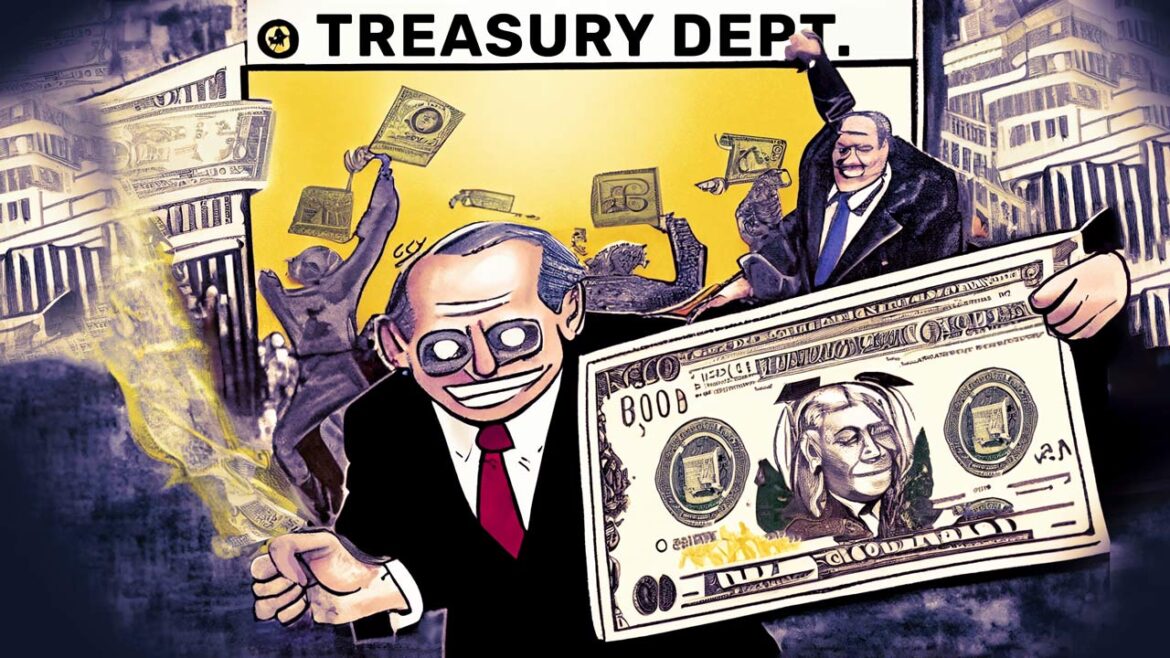
The Federal Government ran a deficit of -$262B in February. Ignoring the Student Loan forgiveness allocation in September last year, this is the largest monthly budget deficit since July 2021. And it's the second-largest February deficit ever.
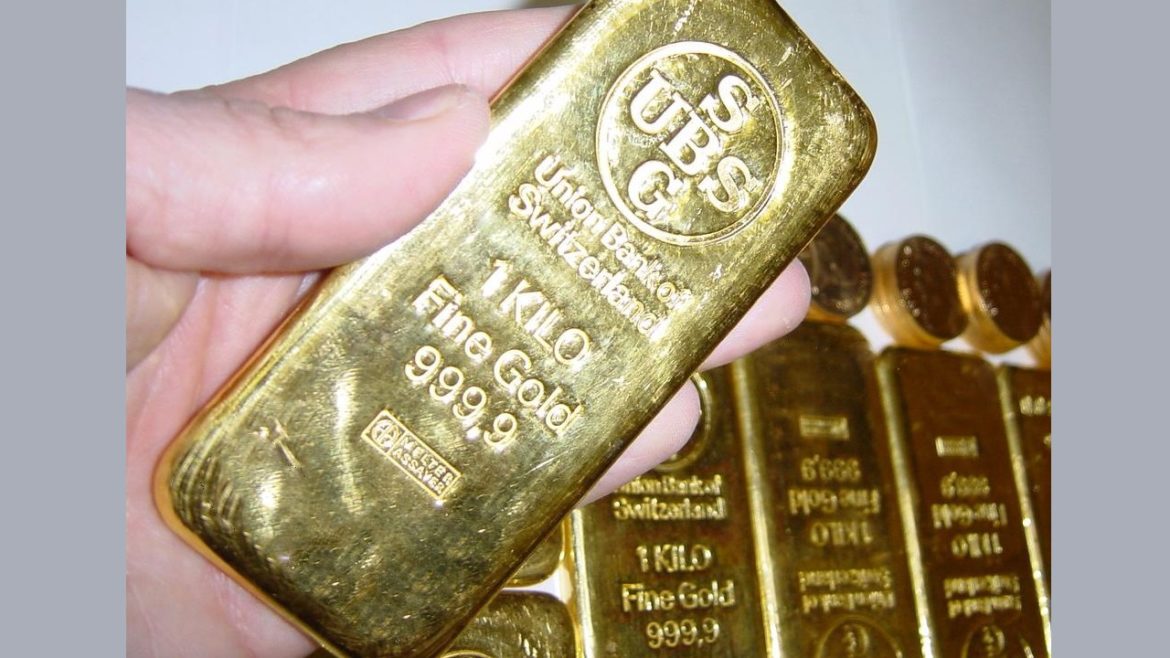
The failure of Silicon Valley Bank and Signature Bank reminds us of a very important truth — if you can't hold it in your hand, you don't really own it.That's why it's wise to hold at least some of your wealth in hard assets like gold and silver that are in your direct possession or at least stored in a secure, allocated, segregated, and insured storage facility.

In the wake of two bank failures, the Federal Reserve and the US Treasury announced a bank bailout program.Last week, Silicon Valley Bank was shuttered by federal authorities after the bank suffered significant losses selling bonds in order to raise capital. When that news hit, depositors rushed to pull funds from the bank, making it functionally insolvent. Then over the weekend, federal authorities shut down Signature Bank.
 BANKING CONTAGION & METALS UPDATE MAR 12th: The Energy Cliff Triggered Inflation, Fed Rate Hikes & Current Bank Runs
March 12, 2023

Investors and depositors concerned about a banking contagion, stemming from the Silicon Valley Bank ban run on Friday; we must understand that this all started due to the impacts of the ENERGY CLIFF. Unfortunately, financial analysts totally ignore this factor and only focus on the Federal Reserve...


What a difference a week makes... Last week the market technicals were starting to look like the bulls had won out. But this week, trouble in the banking system, most notably the failure of Silicon Valley Bank (the 2nd largest bank failure in US history), has created a bearish marker reversal. So how meaningful is the failure of SVB? What fallout is most likely to come out of it? Portfolio manager Lance Roberts and Adam Taggart tackle these questions head on in this week's Market Recap.

As discussed last month, it is getting harder to take all the BLS employment data as fact. This month, some of the data is a bit closer in line, but the QECW report seemed to show a big deviation (more below).
"There is something going on behind the scenes with central banks hoarding gold, and because of that, we're going to see new highs...

Silver price rallies on the back of a mixed US jobs report that witnessed more Americans than estimated added to the workforce. Even though that would result in a strong US Dollar (USD), the Unemployment rate edged up, taking pressure off the US Federal Reserve (Fed). At the time of writing, the XAG/USD is trading at $20.49 a troy ounce.
Gold prices jumped nearly 2% on Friday, driven by a slide in U.S. Treasury yields and broader financial markets as worries over a fallout in the banking sector eclipsed a strong U.S. jobs report and drove safe-haven flows into bullion.
First and foremost, as to repealing precious metals sales taxes, bills in Mississippi and Kentucky are moving forward quickly. And they may well be heading to each state’s respective governor for signature later this month. Other full sales tax repeal bills are pending in Maine, Wisconsin, and Vermont – while Minnesota and Alaska are considering an expansion of their existing sales tax exemptions.

At a minimum, investors should expect increased market volatility as default talk grows louder. It may be a good time to reduce equity exposure and increase your cash allocation.
Mar 10, 2023 - 11:47:35 PST
Most of the last three decades, the Fed drove the after-inflation or “real” interest rate on 30-year mortgages steadily lower.
Bond traders lost no time re-instating bets that the Federal Reserve will cut interest rates before the year is out.

Congressman Tom Emmer believes a U.S. Government-controlled CBDC would be “weaponized” as a surveillance tool to “choke out politically unpopular activity” and restrict the financial rights of American citizens.
 RIP Silicon Valley Bank: Shut Down by California Regulator, Taken Over by FDIC, Shareholders Bailed In, Insured Depositors t...
Mar 10, 2023 - 11:16:27 PST
The bank survived the Dotcom Bust. But this bust is far bigger because the Free-Money bubble was far bigger. FDIC may not have a loss on this deal.