
Precious metals are apparently waking up. And here is where you can find the best deals.


Site:
Precious metals news

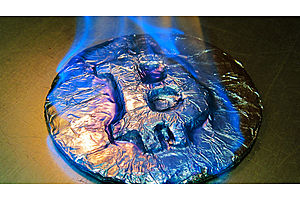
The entire universe of digital currencies has seen heavy selling pressure on Friday, resulting in a 12-digit decline in total market capitalization since just midnight.

Goldman Sachs analysts said on Friday they are bearish on the $14.2 trillion U.S. government bond market in 2018, prompted by their expectations that the Federal Reserve would raise U.S. interest rates above what the market has priced in.


U.S.-based equity funds posted $22.2 billion of outflows in the week ended Dec. 20, the largest cash withdrawals for 2017, according to Lipper data on Thursday.

Bitcoin plunged below $13,000 (£10,970) on Friday after losing around a third of its value in just five days, with the digital currency on track for its worst week since 2013 after a blistering ascent to a peak close to $20,000 on Sunday.


The Republican-controlled Congress on Thursday night managed the bare minimum task of keeping the government open, yet made little progress on a medley of divisive fiscal and social issues it will now be forced to confront in January.


North Korean leader Kim Jong-Un could have a bomb almost 17 times more destructive than the one dropped on Hiroshima.

Newly proposed sanctions on North Korea could have a significant effect on the isolated country's already struggling economy, analysts said ahead of an expected U.N. Security Council vote on Friday, which will hinge on support from China and Russia.

The threat of nuclear war with North Korea has raised the stakes when it comes to defending against EMPs.

"2018 should be a good year for the precious metals...." Here's why...

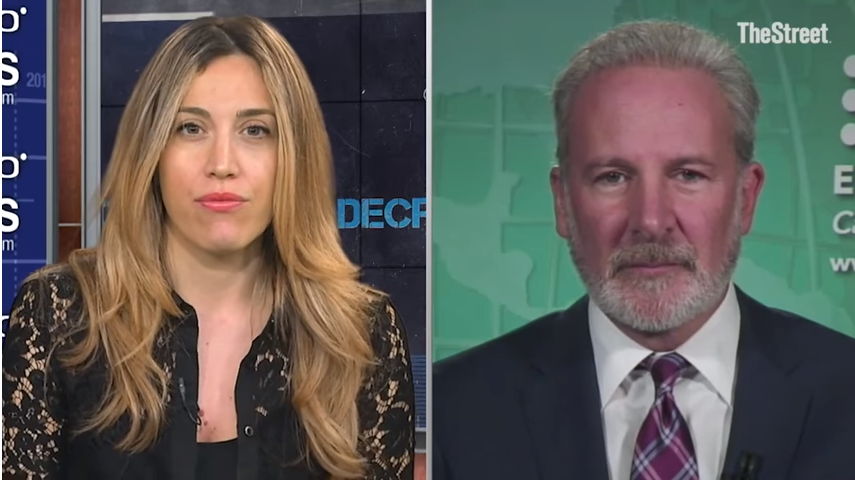
US equities are at an all-time high. Investors are bullish about the future. A lot of people are excited about the potential for economic growth with the passage of GOP tax cuts. There's a lot of optimism.In a recent interview on The Street, Peter Schiff said he thinks 2018 may start out the same, but he sees clouds on the horizon, especially when it comes to the dollar.
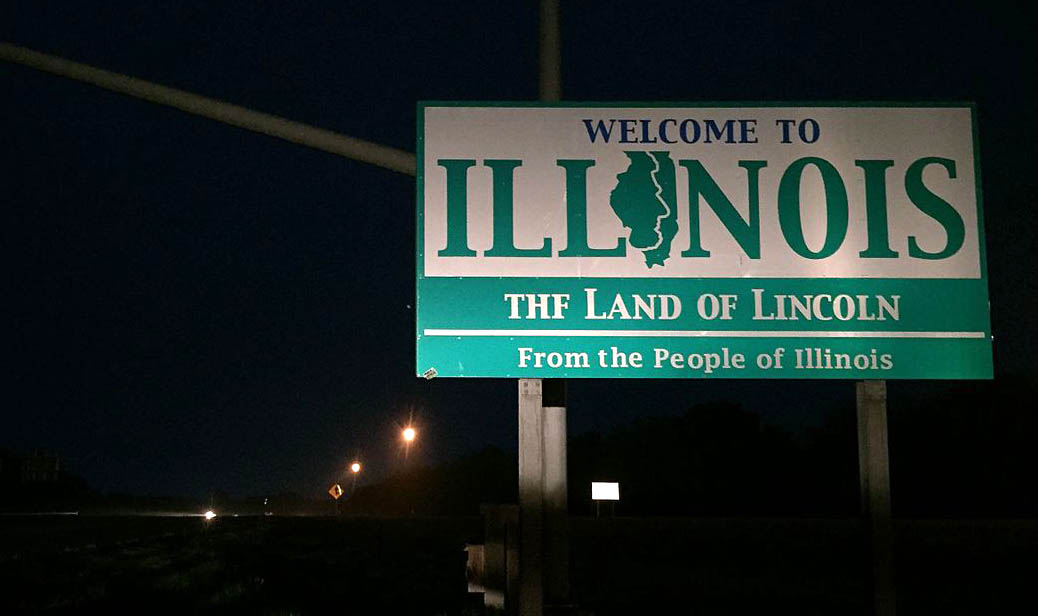
There is a mass exodus from Illinois.According to the US Census Bureau, the Prairie State lost a net 33,700 residents in fiscal year 2017. More people bailed out of Illinois than any other state in the US. And based on calculations the folks over at ZeroHedge worked out, the exodus was even worse than the Census Bureau numbers indicate.Of course, the net population loss masks the true gross outflow of Illinois residents as it doesn't account for natural births/deaths. Assuming that Illinois has the same natural population growth as the US as a whole (0.7%) implies that the state lost a staggering ~125,000 residents in aggregate, or roughly 1 man/woman/child every 4.3 minutes."So, why the big rush to bail out of the great state of Illinois?


With the passage of the Tax Cut And Jobs Act on Wednesday, I wanted to address a few of the questions and misinformation currently circulating about the impact
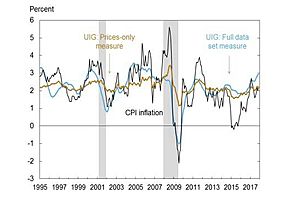
Confusion about inflation abounds in mainstream media reporting. That confusion is a result of the fact that mainstream economists & the Fed solely focus on narrowly defined, arbitrarily constructed measures of the prices of consumer goods only.
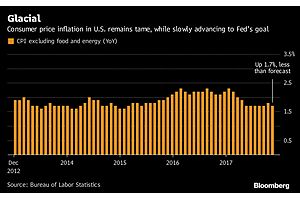
Lowflation drove global markets to dizzying highs this year. Inflation could drive them off a cliff.
 Claudio Grass: There Are 6,000 Tons Of Gold In The Hands Of Private Chinese Citizens
December 21, 2017

Claudio says China is setting up the "Gold Standard 2.0" as the East continues its attack on U.S. dollar dominance. Here's the details...

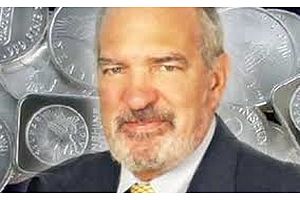
JPMorgan accumulated physical silver on a scale never before witnessed.

China could interrupt the synchronized global growth story by aggressively cracking down on excessive lending, Art Cashin says.

The pullback in the monthly gauge reflects an increased share of people saying the economy is getting worse....
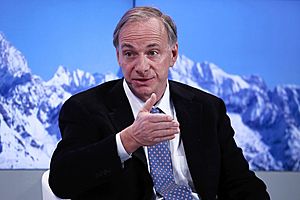
The U.S. tax overhaul will provide a “short-term minor boost” to the economy that will ultimately fail to impact the nation’s economic, social & political issues, according to billionaire hedge fund manager Ray Dalio.

The benefits of central banks pumping money into the economy by buying securities diminish over time, according to a BIS paper.