
Precious metals are apparently waking up. And here is where you can find the best deals.


Site:
Precious metals news

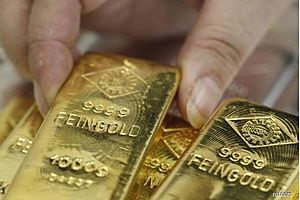
Gold prices held steady on Friday as political tensions between the United Kingdom & Russia supported safe haven bids despite a firmer dollar


Because the stock market collapse of 1987 didn't happen until it did, either.

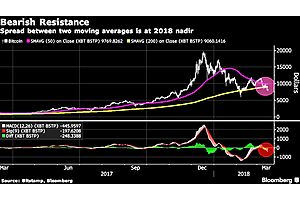
“There’s been a definitive shift over the past couple of months after the bubble activity at the end of 2017,”

Gold was either side of unchanged last night in a range of $1321.70 - $1328. In price action that we’ve seen for the past 3 sessions, gold rose to its $1328 high during Asian time, as the dollar softened (DX to 89.62).


Retail sales unexpectedly fell again in February. It was the third straight monthly drop and the first time the US economy has seen three straight months of declining retail sales since 2012.Sales fell 0.1% in February. Analysts had expected an uptick of 0.3%. According to CNBC, households cut back on purchases of motor vehicles and other big-ticket items, pointing to a slowdown in economic growth in the first quarter.So, why is this happening? Peter Schiff offered a simple reason in his latest podcast.Americans are broke.

Turkey went on a gold-buying spree in 2017. That trend continued through the first two months of 2018 as the country continues to diversify away from foreign currencies - i.e. the dollar.Data released by Borsa Istanbul shows Turkey imported 44.47 tons of gold in January and 16.03 tons in February for a total of 60.5 tons over the two-month period.

"...the supply of gold will remain low...in the near future, this could serve as a major catalyst moving forward."


I have considered the government to be my country’s most dangerous enemy.
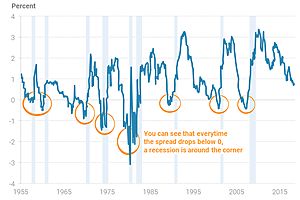
Debt doesn't buy the same growth it used to, hurricanes destroying cars bailed out Q4 '17 GDP, yield curve trend toward inversion means recession on the way.
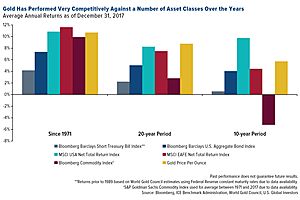
Rising inflation, a cooling economy, a tightening Fed, a fully-inflated stock market bubble: The table is fully set for the gold price to shine.
 Bill Holter: Gold Price To Be Reset MUCH HIGHER To Keep Those Without It From Catching Up
March 15, 2018

Bill Holter says we're right at the point of the transition and the reset. Here's what it means for the U.S. dollar, gold and silver...
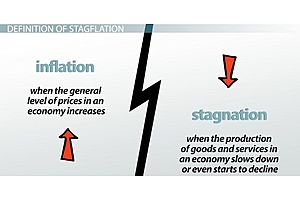
Rising prices against a backdrop of weakening demand is the last thing the Fed wants to see.
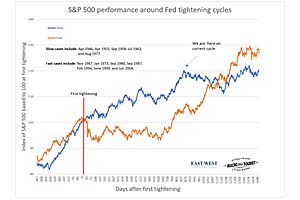
Yet another indicator that the Q.E.-driven perma-bull market is on its wobbling last legs.


The refinance share of all mortgage applications fell to 40 percent, the lowest since 2008.
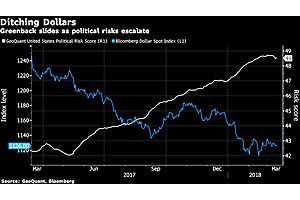
Euro could climb to $1.40 in next two years

Will it soon be gold’s time to shine once again?
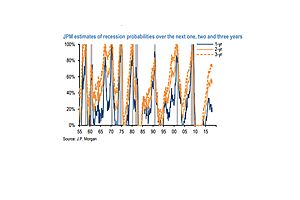
JPM moves Closer to Urging a Rotation Away From Equities
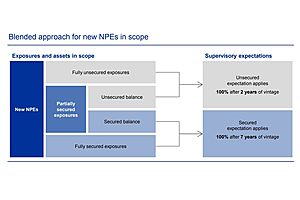
The European Central Bank told banks they’ll need to be tougher in dealing with bad loans as euro-zone lenders continue to grapple with soured debts amounting to almost $1 trillion.

Economists nudged higher their forecasts for how much the Federal Reserve will raise short-term interest rates this year to keep inflation under control as the economy strengthens.
"With the U.S. budget deficit soaring, GDP and growth forecasts declining, and the Fed’s rate hikes helping cause the very recession the Fed is so worried about – known as the Fed’s Paradox – we view the economy as highly fragile."