
Precious metals are apparently waking up. And here is where you can find the best deals.


Site:
Precious metals news

It looks like the Federal Reserve may have another excuse to slow or even stop hiking interest rates if it so desires.According to the conventional wisdom, the Federal Reserve is in the process of "normalizing" interest rates and will continue to push rates up into the foreseeable future. But could the Fed be close to the end of its tightening cycle? Peter Schiff made that case during a recent podcast.

Americans have loaded themselves down with debt and some are struggling to pay the bill.Total household debt hit a record $13 trillion in 2017, eclipsing levels seen on the eve of the Great Recession. Americans have been burning up the credit cards. Revolving debt grew by $26 billion in the fourth quarter of 2017 alone, a 3.2% increase. Americans have run up a nearly $1 trillion credit card tab. Meanwhile, flows into serious delinquency have increased steadily since the third quarter of 2016.The delinquency level for subprime credit cards is particularly concerning, having risen to a level higher than at the peak of the financial crisis.

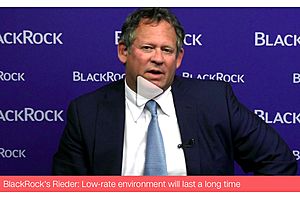
Experts think the Fed will raise rates four times next year. BlackRock executive Rick Rieder thinks that number is too high.


Governments that have issued debt that’s denominated in dollars could be in serious trouble if the U.S. currency keeps rising.

Gold prices edged higher as data on Wednesday showed the U.S. economy slowed slightly more than initially expected in its first quarter while political
uncertainty lingered in Italy. U.S. gross domestic product increased at a 2.2 percent
annual rate, the Commerce Department said in its second estimate
of first-quarter GDP, instead of the previously reported 2.3
percent pace.
 The Only Thing You Can Buy With a Dollar Is Someone Else’s Belief in Its Value
May 30, 2018 - 12:29:25 PDT
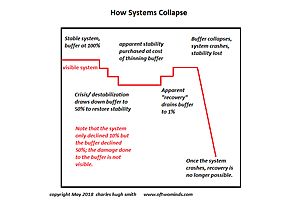
A USD needs to keep changing hands to have any value at all; the buck literally can’t stop anywhere for good and end up worth anything. Because its real value is constantly heading toward zero over time.

Is gold required for proper portfolio diversification? Here's David's great primer on gold's role in pension portfolios before its too late to allocate...

Gold briefly breached resistance at $1303 to reach $1304.35, but a lack of follow-through buying brought it quickly back to the $1300-01 area.
Credit Card Interest Rates Are Up Sharply; the Default Spike Has Just BegunMay 30, 2018 - 11:17:38 PDT

We’re only at a 6% default rate. ZIRP is over. QE is over. The wave is getting close to shore, it just hasn’t crashed yet.

"By this time next year, gold should be challenging the...gold bugs need to drop what they are doing and pay attention."

There are only two realistic solutions: Sharp cuts in benefits combined with simultaneous increases in qualified-for-benefits age levels. Or drastically increased debt spending.


China is reportedly looking to line up other countries against the U.S. in a pending trade war, after the White House announced an unexpected move forward on trade tariffs.

Nobel Prize-winning economist Shiller sees President Donald Trump generating “optimism” in an overpriced stock market.

The run-up in home prices is gaining speed, causing some to warn that the increases will not be sustainable for long.
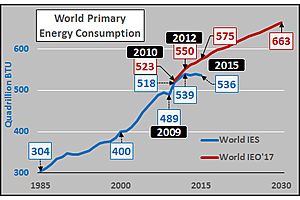
Couple that near-100% overbullish hype rate with current all-time lows in US fertility rates, and do you think we might be in for actual energy consumption levels that are mere fractions of what the EIA currently projects?
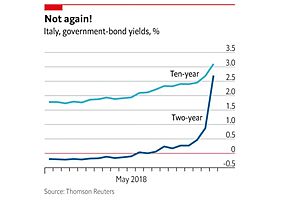
Italy will go inverted today, US not far behind & China already easing their RRR. Welcome to the 1970s
 Money Won't Go To ‘Money Heaven' When The Debt Bomb Blows (It Will Rush Into Gold & Silver)
May 30, 2018

Gregory Mannarino says there's going to be an awful price to pay for people who are on the wrong side of this market. Here's the details...
Gold moves slightly higher Wednesday as a recovering euro dents the dollar index, a barometer that often moves inversely to U.S.-priced gold.

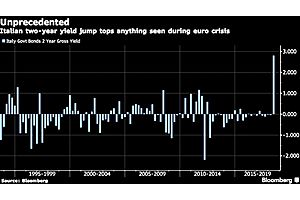
Just when central bankers thought they were about to get out of the business of emergency economic stimulus, jittery financial markets are threatening to pull some of them back in.
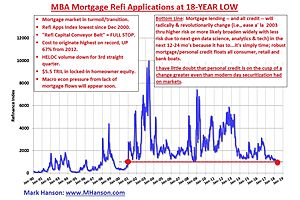
Bottom Line: "Revolutionary" change coming to mortgage & personal credit posthaste...because it has to. It's time.