
Precious metals are apparently waking up. And here is where you can find the best deals.


Site:
Precious metals news

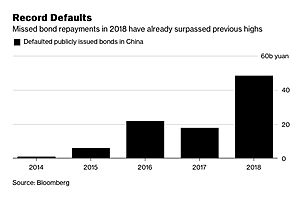
China’s local governments may have accumulated 40 trillion yuan ($5.8 trillion) of off-balance sheet debt, or even more, suggesting further defaults are in store
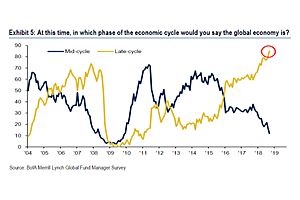
Pessimism on the global economy is piling up amid rising trade tensions and expectations the U.S. central bank will carry on tightening despite the tumult in equity markets.

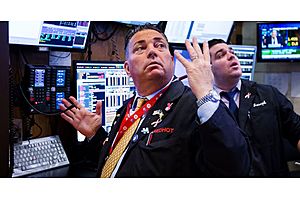
BNY Mellon's chief currency strategist says ongoing sell-offs echo the 1987 market crash.

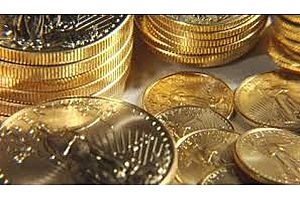
Gold prices inched higher early on Tuesday, hovering near a 2-1/2 month high hit in the previous session, as risk averse investors sought a safe haven amid rising political tensions and economic uncertainty.
Hungary’s central bank increased its gold reserves 10-fold, citing the need to improve its holdings’ safety, joining regional peers with relatively high ownership in the European Union
 MARGIN CALL: Why The Next Market Crash Will Be Worse Than Anyone Anticipates
Oct 16, 2018 - 03:31:55 PDT

Last week Mike Maloney unveiled his new indicator, the Market Fragility Index, to the public. Today he shows us a recent discovery that helps explain why the cracks in the financial system are growing larger every day, and why the next market crash may be far more devastating than anticipated.

Keynesian central planners suffer from what Peter Schmidt calls "fatal conceit." Paul Krugman serves as the poster child for central planning arrogance. But it's the Federal Reserve that gives the central planners power, as Schmidt highlighted in the first article in a series highlighting this fatal conceit. Schmidt built on this theme in the second article, telling the story of Benjamin Strong and his role in blowing up the 1920s stock market. In this third installment of the series, Schmidt tackles the question no one dares to ask.
 Peter Schiff: We're About to See a Sequel to '08 and Like All Sequels It Will Be Bad (Video)
October 15, 2018
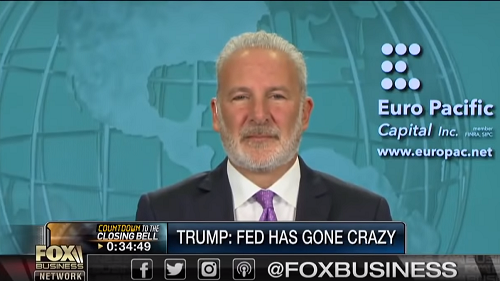
In the wake of the stock market plunge last week, Pre. Donald Trump said the market drop wasn’t because of his trade war. Trump said, “That wasn’t it. The problem I have is with the Fed. The Fed is going wild. They’re raising interest rates and it’s ridiculous.” He also said the Fed is “going loco.” In a Thursday interview, the president doubled down, saying “I’m paying interest at a high rate because of our Fed. And I’d like our Fed not to be so aggressive because I think they’re making a big mistake.”Peter Schiff appeared on Fox Business Countdown to the Closing Bell along with National Alliances head of fixed income Andy Brenner to talk rate hikes, the stock market and where things might go next.
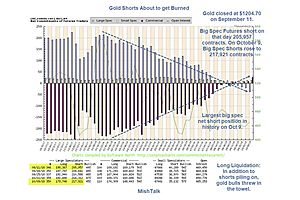
The Gold COT report shows gold shorts piling on in addition to long liquidation. Meanwhile, the price of gold is rising.

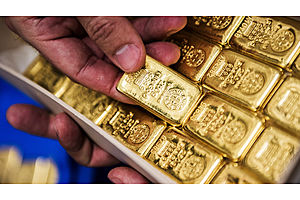
Gold prices climb Monday to settle at their highest since late July as benchmark stock indexes mostly decline and a leading dollar index weakens.


Sentiment is turning bullish. Many think the current rally is the break-out everyone is waiting for, but here's a final warning for bulls & bears alike...

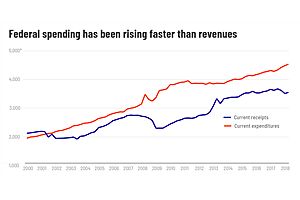
As interest rates rise, servicing that ballooning debt could pose challenging. Treasury spent $522 billion last year paying interest, up 14% from the year before. That's more than Medicaid costs annually.

Keith explains why people who say "you can't eat gold" completely miss the point. Here's how to face anybody who unleashes that little zinger of a claim...

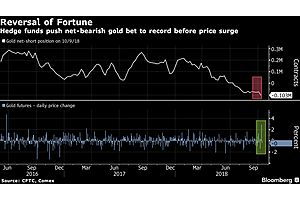
“Sentiment for gold should improve given the risk rising in the equity market,”
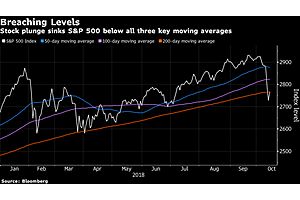
The tumble in equities may go deeper than the correction earlier this year and investors should get ready to sell, according to a Budapest-based fund manager.
Global finance chiefs spent the week assessing the tremors now rippling through the world economy.

Dave Kranzler says it is getting harder to short the gold market with COMEX paper. Here is why that is and what it means for gold & silver going forward...
Draghi: A jump in interest rates sparked by financial instability, inflation surprises or geopolitics.
Markets are focusing on economies with huge debt, the central bank governor says.
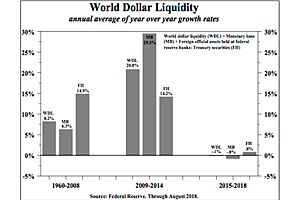
The U.S. economy appears to be on a steadily declining path to recession and disinflation/deflation.