
Precious metals are apparently waking up. And here is where you can find the best deals.


Site:
Precious metals news
 Fed's Vermilyea: Banks Are Making Same Bad Loan Mistakes as Last Two Crises
Oct 26, 2018 - 05:36:14 PDT

And a former Fed official put it even more directly: "As we learned during the crisis, it’s hard to overstate the capacity of banks to do dumb things, especially when there is a lot of money to be made from trying to keep the party going.”
Oct 26, 2018 - 05:24:46 PDT

Both Amazon and Google parent company Alphabet were down sharply premarket (over 8% and 5%, respectively) on the heels of disappointing earnings releases last night. The two combined represent over $1.6T in total market-cap value and have been largely responsible for marketwide index gains over the course of the year.
Two Fed Officials Go on Record Saying Stock Rout Won't Affect Their Rate-Hike StancesOct 26, 2018 - 05:16:59 PDT
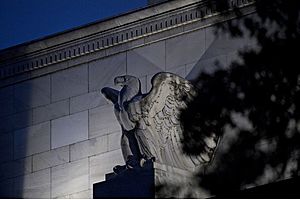
Fed Vice Chairman Richard Clarida and Cleveland Fed President Loretta Mester both gave strong indications that the metrics they use to determine whether continued rate hikes are warranted point strongly to 'yes' and that recent stock market turbulence has done little if anything to dim that view.


Gold goes through three stages. Namely reflation, collateral and fear. Let's take a good assessment to find out where gold finds itself today...

Fiat financialization certainly followed gold's 1971 demonetization and with it, ever increasing banking leverage. This assisted in growing the disparity of wealth on display today globally. Ongoing is also a decreasing standard […]

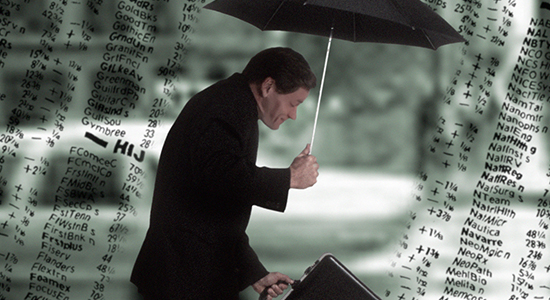
Wednesday was another ugly day on Wall Street.Stocks tanked, wiping out gains for the year in both the Dow Jones and S&P 500 Index. The Dow fell 608 points and the S&P 500 shed 3%. The Nasdaq plunged 329 points and lapsed into a correction territory. It was the largest daily decline on Wall Street since 2011.In his most recent podcast, Peter Schiff asked a key question: will the Federal Reserve swoop in and change the nature of the game?

Peter Schiff has mentioned before that about 25% of the stocks listed on the S&P 500 have already slipped into bear market status. A recent article published by ZeroHedge confirmed what Peter said, and further indicated that a big chunk of the stocks in the index appears to be in trouble.


US equities pared some gains at the close (S&P ended +50 to 2706), while the 10-year yield was steady around 3.14%. The DX slipped to 96.61, and gold was $1230 bid at 4PM with a loss of $3.
Oct 25, 2018 - 12:54:19 PDT
"Student debt has more than tripled since 2004, reaching $1.52 trillion in the first quarter of 2018, according to the Federal Reserve — second only to mortgage debt in the U.S."

A rather outspoken investment portfolio manager, Jaime Carrasco, has been making recent media rounds suggesting listeners consider prudent bullion allocations today. A former ScotiaBank Director, Jaime continues to say things […]
 Bankrate.com Survey: 60% of Americans Say Their Finances Same or Worse Since 2016 Election
Oct 25, 2018 - 08:56:38 PDT
"Among those earning less than $30,000 a year, 78 percent said that their financial situation hasn’t improved. Nearly 30 percent said that they are worse off than they were two years ago."

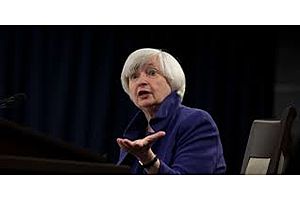
“You are supposed to realize from the crisis, it is not just a question of what banks do that imperils themselves, it is what they do that can create risks to the entire financial system. That lesson to me seems to have been lost."
 US Pending Home Sales Continue Relentless Decline, Fall for 5th Straight Month
Oct 25, 2018 - 08:04:51 PDT
This is also the 10th YoY decline in the last 11 months, and the pending home sales seasonally adjusted annual rate is now approaching a 4-year low as weak demand, unrealistic pricing, and multi-year-high mortgage rates all come to bear.
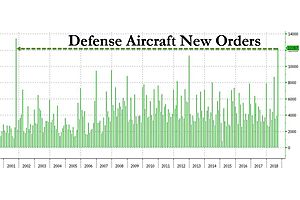
There's one giant line-item that essentially single-handedly rescued the durable goods headline number. The ugly truth is that without a massive one-off surge in military spending, this supposed "big picture" economic number would look entirely different.
“The growing uncertainty created from U.S.-Saudi tensions and Italy’s budget woes can already be reflected across financial markets with investors avoiding riskier assets. The risk-off environment should offer gold an opportunity to shine brightly,” said Lukman Otunuga, research analyst with FXTM.
Oct 25, 2018 - 05:38:02 PDT

"President Xi Jinping vowed to provide 'unwavering' support for the private sector. Unlike the West, which has to deal with nettlesome democratic institutions, China can implement whatever measures its leadership deems necessary."
Former Fed Chair Volcker: Fed's "Dangerous, False Precision" Over 2% Inflation TargetOct 25, 2018 - 05:30:23 PDT
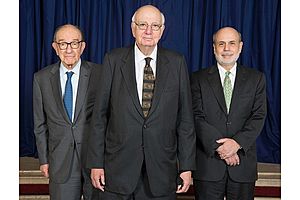
"The real danger comes from encouraging or inadvertently tolerating rising inflation and its close cousin of extreme speculation and risk-taking, in effect standing by while bubbles and excesses threaten financial markets. Ironically, striving for a 'little inflation' as a means of forestalling deflation, could, in the end, be what brings it about."
Oct 25, 2018 - 05:13:59 PDT
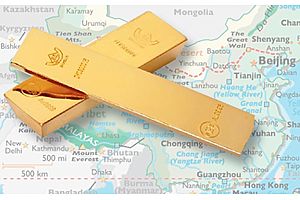
China has been the world's leader in gold production for 11 straight years since supplanting South Africa in 2007, and owned 13% of all gold production in 2017. To maintain such leadership, China is turning its acquisitive eyes abroad.
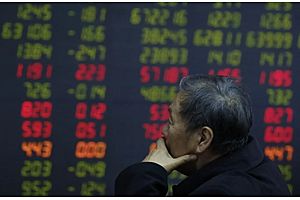
Two funds used in active state intervention to buy assets during China's 2015 market selloff were liquidated in Q3. Exactly who did the selling? Exactly why and what they hoped to gain? As with so much of the Chinese government's direct-market operations, the answers are shrouded in secrecy.

Scientists continue to find new uses for gold, particularly in the medical field.In the latest development, scientists have discovered a process using gold nanoparticles that helps reduce inflammation and speeds healing in damaged muscles