
Precious metals are apparently waking up. And here is where you can find the best deals.


Site:
Precious metals news


A few months ago, during a major downpour, I noticed water drip, drip, dripping onto the floor of my guest bedroom. I put a bucket under it and climbed into the attic, horror clawing at the edges of my mind. Was I about to need a new roof?If you're a homeowner, you probably share my dread of the roof going bad. It's generally one of the highest home-repair cost you will ever encounter. It can run you over $10,000 just to replace a modest size roof.Now, imagine if your roof was made out of gold.
The SchiffGold Friday Gold Wrap podcast combines a succinct summary of the week’s precious metals news coupled with thoughtful analysis. You can subscribe to the podcast on iTunes.
As we've noted before, Keynesian central planners suffer from fatal conceit. They think they are smart enough to plan and direct the economy better than the free market. When you boil it all down, these people believe they can do a better job of making your economic decisions than you can. After all, a free market is nothing more than the aggregate of all of our individual economic choices. Paul Krugman serves as the poster child for central planning arrogance, but another Nobel Prize-winning central planner is making a name for himself by tearing down the free market. Joseph Stiglitz claims capitalism is "rigged." But as economist Bill Anderson shows in an article recently published on the Mises Wire, Stiglitz has got it completely wrong. Capitalism - in the true sense of the word - isn't rigged. Socialism is.
 For the 17th Straight Quarter, US Household Debt Increases; Delinquencies at 7-Year High
Nov 16, 2018 - 09:24:03 PST

"Aggregate delinquency rates worsened in the third quarter of 2018. As of September 30, 4.7% of outstanding debt was in some stage of delinquency, an uptick from 4.5% in the second quarter and the largest in 7 years."
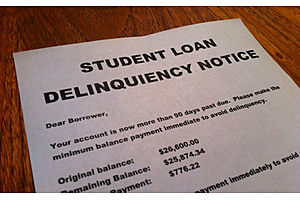
The percentage of student loans now seriously (over 90 days) delinquent increased to 9.1% in Q3. Which means almost 10% of the single largest asset on the US government's balance sheet (student loans outstanding) are likely never getting paid back.
 Venezuela (With an Assist From China) Introduces Card to Track, Reward, and Punish Citizens
Nov 16, 2018 - 08:14:50 PST

When Venezuelan government leaders visited ZTE in China, they realized they could get much more than a sophisticated ID card...they could create an individualized tool for the monitoring and control of their citizens.

You can pass all the laws in the world that make it absolutely mandatory, under penalty of imprisonment or anything else, that 1+1=11. At the end of the day, when there isn't enough money to pay out legally promised benefits to retirees, 1+1 will still equal 2.


"Clarida said in an interview with CNBC offered a more dovish view on the Fed’s path to monetary policy normalization but said that central bank’s pace of rate hikes wasn’t too fast. Clarida also said the global economy showed signs of slowing."
Nov 16, 2018 - 05:39:18 PST

"Investors should heed the message being provided by Dr. Copper and Professor Oil rather than go with the optimism expressed by the Trump administration and the Fed. While the U.S. officials appear to be reacting to the faster economic growth that has already occurred, the commodity prices are a better indicator of future market behavior."
 Crime Doesn't Pay (These 1,000 People Anymore): Wells Fargo to Lay Off 1,000 Workers
Nov 16, 2018 - 05:15:22 PST
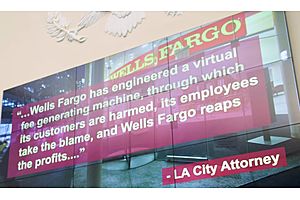
It's hard out there for a fraud-based bank. With Wells's bread-and-butter -- a shady mortgage business -- rapidly sunsetting along with the rest of the housing market, 1,000 Glengarry Glen Ross extras are looking for work. Coffee's for closers.
But of course, in that way that is so peculiar to those in government, he believes the Fed controls the ultimate fate of the economy and that cyclical recessions are mistakes in Fed policy: "I think the risks if we have a recession are very, very serious so they need to bend over backward to avoid that."
“We believe the USD has reached its peak at around current levels. The USD may weaken as credit spreads widen, equity prices fall, and sovereign bond yields also begin falling amid disinflationary pressure and falling oil prices.”
 Deutsche Bank CEO Calls for "European Wall St." to Compete With US Banks
Nov 16, 2018 - 05:00:08 PST
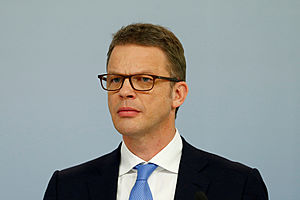
Using word salad like "We have to accelerate the banking union and revitalize the concept of a capital markets union in Europe," Christian Sewing, CEO of operationally troubled Deutsche Bank, wants to bring Too Big to Fail to the eurozone.
 Deutsche Bank, BofA, JPM Now Ensnared in Danske Bank Money Laundering Probe
Nov 16, 2018 - 04:58:14 PST
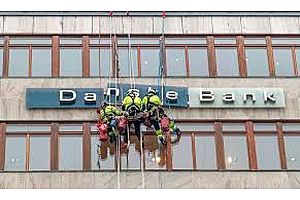
"The lenders, among the world’s largest, were correspondent banks for the Tallinn, Estonia, branch of Danske Bank A/S that is the focus of multiple international investigations."

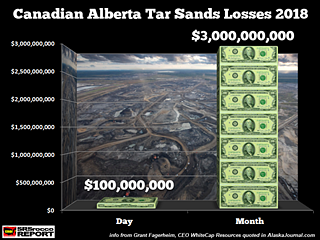
The situation at Canada's Alberta Tar Sands Operations has gone from bad to worse as the super-low oil price is now costing the industry billions of dollars each month. Unbelievably, the price for the Western Canadian Select heavy oil fell to a gut-wrenching $14.65 yesterday down from a high of $58 in May. Tar sands...
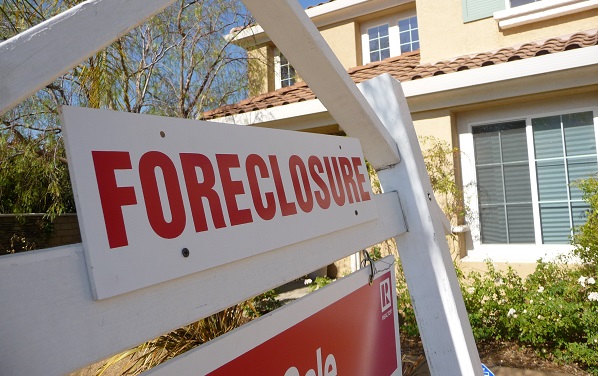
Peter Schiff put it pretty bluntly in a podcast last week. We don't have a booming economy. We have bubbles. And it looks like the air is starting to come out of some of those bubbles. We see signs of trouble, particularly in interest rate-sensitive sectors such as real estate. As just one example, home sales in California have hit the lowest level in a decade. And it's not just California. We're seeing declines in many of the "most splendid housing bubbles" in America. Even more troubling is that we're seeing these tremors and interest rates aren't historically high.Yet.But they are rising quickly. According to an article in Wolf Street, they may soon hit 6% and that could be the real tipping point.
Generally, when the mainstream talks about gold, you get a negative spin. So, whenever I see anybody in the mainstream talking positively about the yellow metal, I sit up and take notice. Well, MarketWatch had some positive things to say about gold recently, calling it "the best house in bad neighborhood" for 2019.

The 10-year yield ticked up to 3.094%, and the DX advanced to 97.20, helped by a fresh low in sterling ($1.2745) and a dip in the euro ($1.1306) after a previous rebound. Gold was caught in the crosscurrents and traded in a choppy fashion between $1,212 and $1,215.50.
 A Golden (Elliott) Wave: The ‘Super Pop' Higher In Gold Validates Our Bullish Analysis
November 15, 2018

The next move higher in gold may have just started. Here are the details and the upside targets...
Warren: Fed Is Making the Exact Same Mistakes Now That Led to the 2008 CrisisNov 15, 2018 - 10:28:24 PST
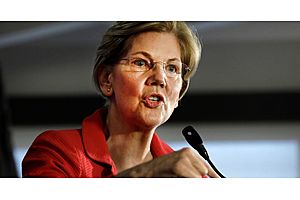
"Warren said Thursday that she thinks the Federal Reserve and its fellow watchdogs of the financial system are overlooking a dangerous buildup of loans going to companies that are already deeply in debt. The so-called leveraged loans helped undermine the financial system before and are building up again, now totaling $1.1T."