
Precious metals are apparently waking up. And here is where you can find the best deals.


Site:
Precious metals news
Jun 23, 2023 - 06:20:41 PDT
US government bonds endured a brutal sell-off on Thursday, reflecting mounting concerns about inflation and the need for more interest rate hikes. The two-year Treasury yield spiked to its highest level since March, indicating escalating market anxiety. Fed Chair Jay Powell's testimony hinted at the possibility of two additional rate increases, further adding to the gloom. European stocks also suffered losses as multiple central banks in the region unexpectedly raised interest rates, signaling a deepening battle against inflation. The overall market sentiment remained grim, overshadowed by fears of an economic slowdown and persistent inflationary pressures.
Investors sought refuge in bonds while stocks experienced a decline as concerns over higher interest rates and weak euro-area activity intensified. Worries grew that aggressive central bank policies could push economies into recession.
Argentina turns to the yuan amid a dwindling supply of dollars, highlighting the country's financial struggles and China's ambitions. The US-China rivalry and global fragmentation erode the dollar's dominance in trade. Brazil also seeks alternatives to the dollar, while Argentina sees the yuan as a short-term solution amidst inflation and policy uncertainties. China supports Argentina with a significant portion of a currency swap line, strengthening their bilateral ties since 2009.

Investors rejoice as Joe Biden and Kevin McCarthy strike a debt ceiling deal, fueling optimism. However, this optimism is short-lived as the impending torrent of US Treasury issuance threatens to overwhelm markets, leaving stock investors vulnerable. Concerns about liquidity and the fragility of the banking system intensify, reminiscent of the 2008 financial crisis. The Federal Reserve's ability to address the situation is questioned, and the prospect of a liquidity crisis looms, with September being a potential flashpoint. Stock investors are warned of the lurking danger as Uncle Sam dominates the scene.
Central bankers' deepening concerns over undefeated inflation are locking economies into a new phase of stringent monetary measures. The official start of summer in the northern hemisphere coincides with an alarming UK report revealing stubborn price gains. Adding to the gloom, Federal Reserve Chair Jerome Powell issues a stark warning that two additional borrowing cost increases may be necessary, further exacerbating the economic strain.
 Stalling Euro-Zone: Recession Rebound Fades, Threatens Economic Activity
Jun 23, 2023 - 05:49:06 PDT
Euro Zone Faces Uncertain Recovery Amid Rising Recession Threat and ECB's Monetary Policy Tightening. S&P Warns of Challenges Ahead for Euro Zone as Manufacturing Weakness Persists.
Deteriorating Order Books and Slowing Service Sector Add to Euro Zone's Economic Struggles.
Investors are fleeing from tech stocks as a "baby bubble" reminiscent of 1999 forms, warns Bank of America's Michael Hartnett. In the past five trading days, the technology sector saw its largest outflow in 10 weeks, totaling $2 billion. Despite the Nasdaq 100 Index's 38% year-to-date increase, concerns arise as the US stock market rally slows down and the Federal Reserve hints at potential interest rate hikes. Analysts warn of a higher downside risk this summer, with the S&P 500 potentially seeing a maximum upside of 100-150 points and a downside of 300 points before September.

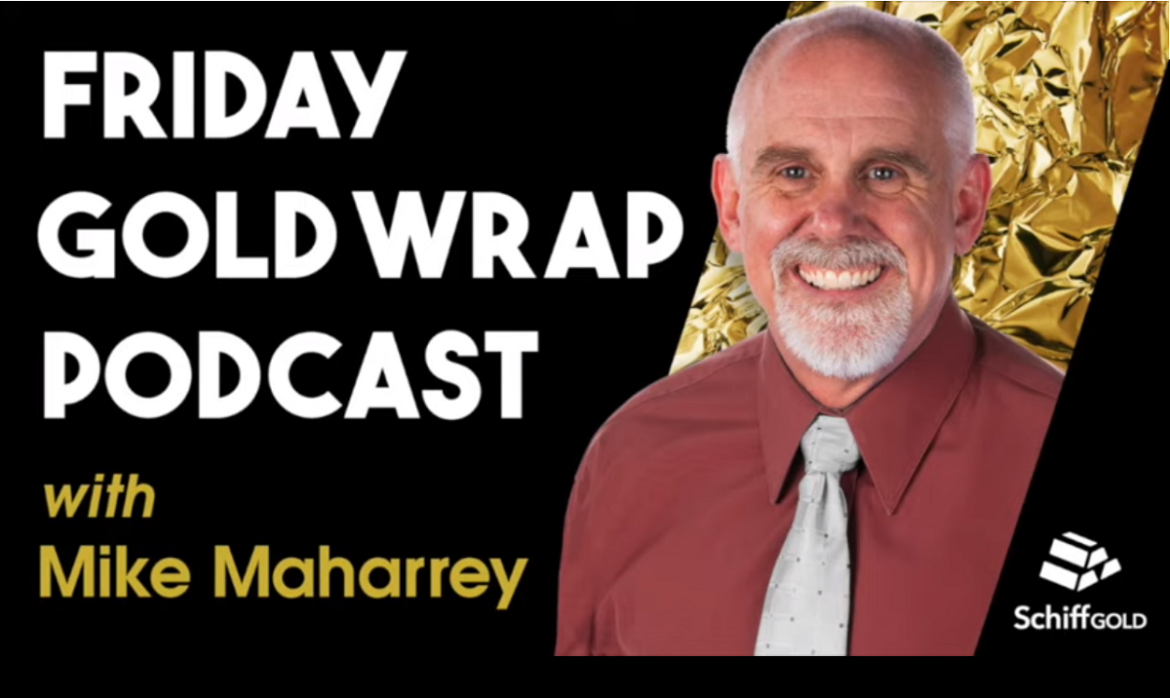
Fed Chair Jerome Powell went to Capitol Hill this week and talked. His open-mouth operations dominated the financial news and drove gold lower. In this episode of the Friday Gold Wrap, host Mike Maharrey digs into Powell's comments, reads between the lines, and points out a couple of things Powell got completely wrong. He also talks about some actual economic news that most people just ignored.
US stock futures plunged on Friday as investors grappled with the bleak prospect of relentless interest-rate hikes. The Fed's determination to raise rates, combined with global economic concerns, sparked anxiety and led to a steep decline in futures for major benchmarks. The situation was exacerbated by mounting inflation pressures and limited policy options.

Global stock markets tumbled as concerns over central bank interest rate hikes raised fears of a prolonged recession. European and Asian markets recorded significant losses, with Hong Kong's Hang Seng Index down 1.7% and Japan's Nikkei 225 falling 1.5%. The Stoxx Europe 600 banks index declined 1%, highlighting the risks faced by lenders in an economic slump. Oil prices also dropped about 1%, reflecting worries about slowing global economies.
 DRAINING THE STRATEGIC SILVER RESERVE: As China Solar PV Manufacturing Increases 92% During Q1 2023
June 23, 2023

While the world is focused on draining the U.S. Strategic Petroleum Reserve, the same thing is happening to Silver. And, the situation may intensify as China's Solar PV manufacturing more than doubles by 2025, or sooner. It seems that 2025 may be the Perfect Storm for Silver...
and monetary policy decisions, particularly in the US, have caused volatility in metal prices. Central banks are struggling to balance inflation and economic challenges. The lag in the effects of interest rate hikes will likely lead to further economic damage. Higher rates have already impacted housing markets, bond values, and government borrowing costs. While job availability seems positive, workers are opting for fewer hours, and layoffs may not follow the usual pattern. Despite these complexities, gold and silver are expected to rally again as central banks adjust their strategies.
Global taxation looms as over 130 countries and the OECD agree on a minimum corporate tax rate of 15%. Critics argue taxation is theft, coercion, and a threat to individual liberty. The push for global taxation could lead to increased bureaucracy, a decline in living standards, and pave the way for more taxes. Tax havens diminish, and elites use offshore accounts while promoting global taxation. The world faces a potential collapse of civilization as it moves towards a Great Reset.
Powell Says Wall Street’s biggest banks Face Higher Capital RequirementsJun 22, 2023 - 12:53:30 PDT
US regulators are set to increase capital requirements for Wall Street's major banks, posing a significant threat to their operations. The new rules primarily target the largest banks, potentially hindering their business activities. Smaller banks with assets under $100 billion will face fewer consequences. This move is part of a global effort to reform capital rules following the 2008 financial crisis. The market reacted negatively, and regional banks may also be affected.
Unsealed documents reveal JPMorgan's involvement with Jeffrey Epstein in federal lawsuit. Internal emails show Epstein's influence on the bank's business strategies and client referrals, including prominent figures like Bill Gates. JPMorgan faces legal scrutiny and questions about its compensation to Epstein. The settlement in a related class action lawsuit suggests more revelations may emerge. The use of the bank's corporate jet for trafficking victims raises potential criminal implications.
Jun 22, 2023 - 12:22:27 PDT
In a haunting financial landscape, the Federal Reserve unleashed the fastest interest rate hikes in 40 years. Amidst the chaos, mega bank JPMorgan held a staggering $118 trillion in high-risk derivatives. The eerie silence surrounding their ability to dodge massive losses raises unsettling questions about their practices. With hidden risks lurking and transparency elusive, the specter of uncertainty looms over the financial realm, demanding unwavering caution.
Jun 22, 2023 - 12:10:59 PDT
U.S. Treasury Secretary Janet Yellen, speaking in Paris, emphasized the criticality of maintaining a relationship between the U.S. and China, echoing President Joe Biden's stance. Yellen's comments came in the wake of President Biden's recent remarks referring to Chinese leader Xi Jinping as a "dictator," which drew condemnation from Beijing. Yellen stated the importance of communication and working together to clear up misperceptions and disagreements. She also expressed satisfaction with China's participation in the climate summit in Paris and highlighted the need for debt restructuring.

US Treasury Secretary Janet Yellen called for disaster clauses in World Bank debt agreements with poorer countries. She also emphasized the need for reforms and efficiency improvements in multilateral development banks before considering additional funding. Yellen suggested the inclusion of climate resilient debt clauses and expressed the potential to unlock $200 billion over a decade. Capital increase remains a possibility, but Yellen stressed the importance of better functioning and addressing global challenges first.
 The Number Of Americans Filing For First-Time Jobless Benefits Hits Highest Since Oct 2021: Chart
Jun 22, 2023 - 11:54:50 PDT
Last week, 64,000 Americans filed for initial jobless benefits, marking the highest number since October 2021. California, New Jersey, and Connecticut experienced the largest increase in claims, potentially indicating the impact of tech layoffs as severance packages come to an end. Interestingly, continuing claims slightly decreased from 1.772 million to 1.759 million. While this data does not provide a reason for the Federal Reserve to assert their position, it's important to note that continuing claims data is lagged by a week.
Jun 22, 2023 - 08:35:45 PDT
US investors' tech-stock fever and recession skepticism are reminiscent of the dot-com bubble, warns economist David Rosenberg. He highlights similarities in extreme concentration in tech stocks, high valuations, and the dismissal of crises. Rosenberg cautions that investors are overly optimistic and predicts an imminent recession based on the inverted yield curve. He suggests that government stimulus is losing its effectiveness and anticipates rate cuts by the Fed in the near future.