
Precious metals are apparently waking up. And here is where you can find the best deals.


Site:
Precious metals news
There is no more heavily debated topic within macroeconomics than the causes of the Great Depression and why it came to an end. Even 80 years later, theories abound. And new theories keep coming.


Why do Americans fail to understand how ruinous our national debt truly is and what an astounding percent of our national budget we are now spending on interest?
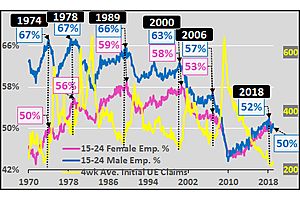
Quite noticeable in the chart below, young adult employment peaks have been coming at progressively lower participation rates.


One benefit of hindsight is that it imparts a cheap superiority over the past blunders of others. We certainly make more mistakes than we’d care to admit. Why not look down our nose and acquire some lessons learned from the mistakes of others?
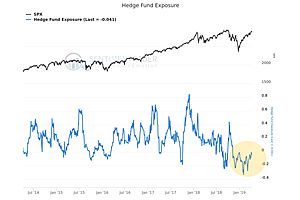
In all my time studying markets, I can’t recall a single instance when the split between “pros” and “retail” has ever been higher. What do I mean by that?

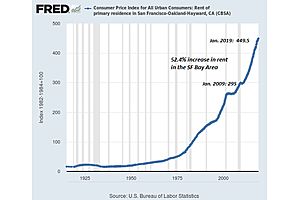
The forced flight from unaffordable and dysfunctional urban regions is as yet a trickle, but watch what happens when a recession causes widespread layoffs in high-wage sectors.


The support zones and candlesticks are coming under extreme pressure. Here's what the charts are signaling...

Argentina has been “printing money for the people” MMT-style for many years. Its wrongly-called “inclusive monetary policy” of the past -print money to finance massive government spending...


The world economy is based on ever-increasing population growth, said Nobel laureate Steven Chu, a scheme that economists don't talk about and that governments won't face, a scheme that makes sustainability impossible and that is likely to eventually fail.
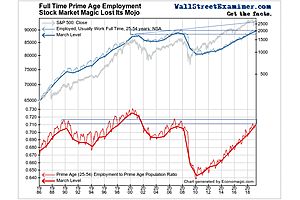
Here's a chart that shows you exactly why the Fed rigs the stock market using QE, low interest rates, and propaganda jawboning.
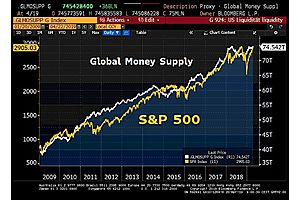
Oh dear. People are embracing the bubble and, as it happens in every bubble, fantastical narratives are emerging to justify the valuations and the price momentum as folks cannot square reality with…

Despite an aggressive balance-sheet expansion effort, the BOJ has missed its target by a long shot. It appears to have all but given up on achieving 2% core inflation...

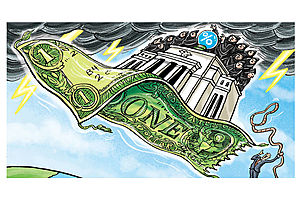
Central bankers aren’t omniscient. A linked-currency system could improve economic growth.
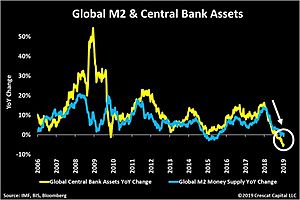
The year-to-date rally in global risk assets after the Fed flip appears to us to be a last gasp of speculative mania for the current economic cycle.


Almost 10 years after the Great Recession ended, the growing threat of a new economic slowdown raises a troubling question: When the next recession strikes, what can the world’s central banks do?

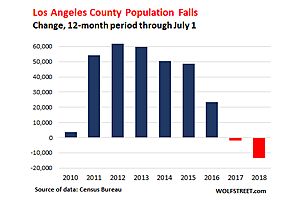
The housing market in California with its sky-high home prices depends on blistering population growth.

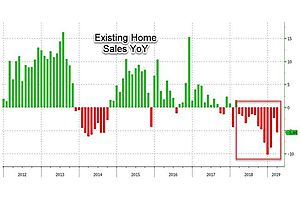
Despite lower mortgage rates...

Benjamin Franklin said that: “When the people find that they can vote themselves money that will herald the end of the republic.” How prescient and true. Ron Paul:
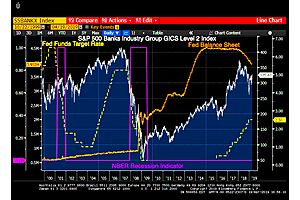
This is a tale of two Central Banks: The US Fed and the European Central Banks. And their respective commercial banks. First, The Federal Reserve. US commercial banks recovered from the global fina…
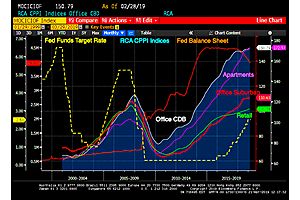
Commercial real estate prices are not quite back to where they were at the height of the asset bubble prior to the financial crisis of 2008-2009. Suburban office space is barely above the pre-crisis peak.