
Precious metals are apparently waking up. And here is where you can find the best deals.


Site:
Precious metals news


Tariff hike will cost U.S. economy $29 billion by 2020, cost to global economy at $105 billion: Oxford Economics

Some ideas are so bad they’re best ignored. Like resentments – or stray cats – if you don’t feed them, they’ll go away. Before long, they’re forgotten altogether. That has been our approach to Modern Monetary Theory (MMT). The idea’s so obviously foolish, reckless, and outright suicidal. Why fe
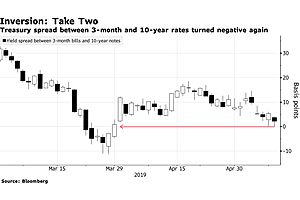
Here we go again. The 10-year – 3-month Treasury curve has turned negative again.
In rare moments markets face major event risk, in even rarer moments the event risk is well advertised in advance and the risk implies massive potential moves in either direction. Markets are faced…

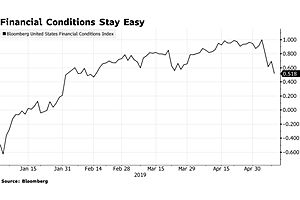
The central bank will likely be more attentive to the potential drag they’ll exert on the economy by depressing consumer and business spending...


Trump has leveled a lot of criticism at the Federal Reserve over that last several months. This has led some people to proclaim that the president is an enemy of the Fed. But as Mike Maharrey explains in this week's Friday Gold Wrap podcast, Trump is no Ron Paul. The president's beef with the Fed is more about policy and less about the central bank itself. And we should never forget — policy has consequences. In this episode, Mike gives a simple overview of how the Fed creates boom-bust cycles and why Trump needs more boom. He also covers the latest on the trade war and what's going on in the gold market.
 Just Introduced Federal Legislation Would Require FULL AUDIT Of America's Gold Reserves
May 10, 2019

Additionally, the bill directs that the results of the audit be made available to the public, without redactions. Here's more...

Fed Governor Lael Brainard said Friday that rising inequality could be one reason for lackluster consumer spending in the wake of the financial crisis.

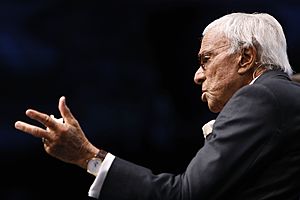
The former chief executive officer of Countrywide Financial Corp. is predicting another drop, and for some homeowners it may be even worse.

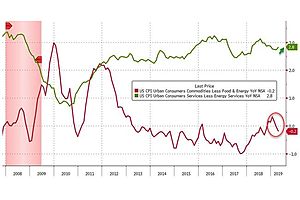
On a year over year basis, shelter costs rose 3.8%, the highest since Sept 2017.
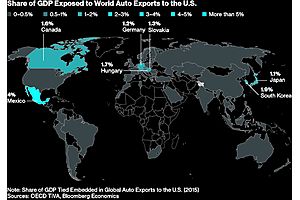
The escalation will have a global impact, but for the euro area it brings to life one of the “pronounced” risks highlighted this week by the European Commission in its latest (gloomy) economic assessment.
Adding to global anxiety, US bombers have arrived at a US base in Qatar. The bombers have been sent to the Middle East to counter what Washington describes as threats from Iran.


Stock outflows have reached $116 billion so far this year.

The Fed is ringing the alarm over the increase in leveraged loans and corporate debt. Here's what it means for Gold Bulls...


Comments from Trump last night that “China broke the deal” roiled markets by fueling worries that the US and China wouldn’t be able to put together a trade agreement before new tariffs go into place at midnight.

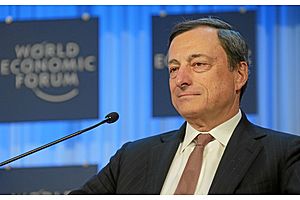
Like the Greek crisis before it, the Italian crisis poses a serious threat to the whole eurozone.
You’ve heard a lot in recent years about ‘negative interest rates’. The idea is simple. Instead of the bank paying you interest on money you have in the bank, you pay the bank for holding your money.

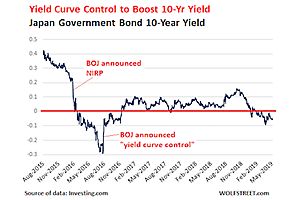
Wall Street hype artists and QE mongers would be deeply disappointed.

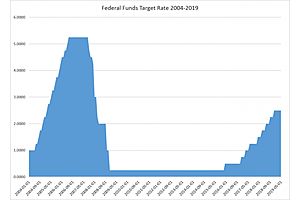
The Fed Fears the Economy Remains Fragile.
Two decades of flat income growth and excessive inflation in shelter and education costs have helped bury adults age 18 to 40 with more debt than any generation before them.