
Precious metals are apparently waking up. And here is where you can find the best deals.


Site:
Precious metals news

Junk bonds are flying out the door once again. Deeply indebted companies are borrowing even more to pay equity holders

Research suggests Canadians are under immense social pressure to spend money, and that's driving debt.


Powell said that some transitory factors could be responsible for muted inflationary pressure. Here's what it means for gold...

The U.S.-China trade blowup was a long time coming. And it won't be easily resolved, not even if U.S. and Chinese negotiators reach a truce in the next few weeks that...
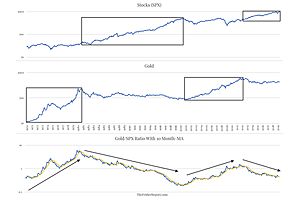
Over the last half-century, there have been good times to own gold and good times to own stocks and the two have rarely coincided.

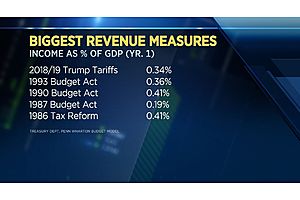
Data from the Treasury Department ranks the combined $72 billion in revenue from all the president's tariffs as one of the biggest tax increases since 1993.


Auto loan delinquencies have surged to the highest level since 2011 and are approaching levels seen at their peak during the Great Recession.The percentage of outstanding auto loans in serious delinquency (90 days or more past due) jumped to 4.69% in the first quarter of 2019, according to the latest data from the New York Fed. At their peak during the recession, auto loan delinquencies hit 5.27%.
 Silver Supply/Demand Crunch Part II: Primary Silver Producers Stuck in Quicksand and Still Sinking
May 16, 2019 - 05:53:07 PDT

As we outlined in our silver supply/demand crunch article, the silver market has entered a structural imbalance. It is not temporary. Global supply is locked into a decline, leaving the industry ill-equipped to respond meaningfully to any spike in demand of physical metal for the foreseeable future.

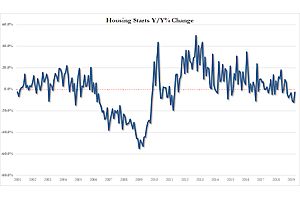
Forward-looking Building Permits for single-family units tumbled to its weakest since October 2016

"There are some places where as we get tariffs, we will take prices up.”
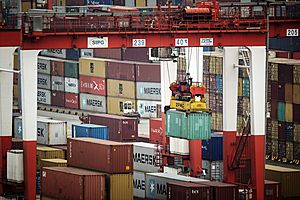
Beijing’s main defense against trade-war fallout this year is more likely to come from the finance ministry than the central bank,...

The following is a market update as it related to precious metals prepared by SchiffGold intern commodities analyst Jason Mezhibovsky.Trade WarAlthough some pressures on US equities from the trade war have been eased, the S&P 500 is down about 3.8% since the end of April. Stocks rebounded Wednesday with the news that the US and China seem to to be making some progress with trade deal talks and that the US may delay some auto tariffs on the EU. The Dow was up 115 points and the S&P 500 picked up 16.55 points Wednesday. But stock markets still have not recouped all of their losses from the pressure faced these past two weeks.

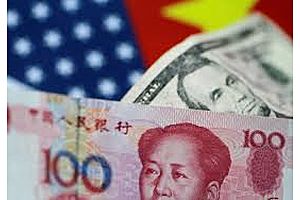
Since last week, there is renewed speculation whether China may sell its U.S. debt in retaliation for increased tariffs...
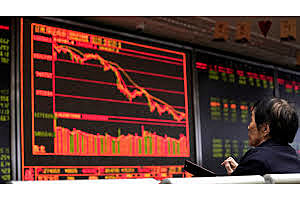
Since the beginning of May, foreign money has pulled out from the Shanghai and Shenzhen markets through Hong Kong's Stock Connect platform, reportedly amounting to $7.56 billion.
Its move to reverse what is more commonly called quantitative easing (QE) is being closely watched by other central banks.
Beijing will be fully prepared if US President Donald Trump seeks a currency war with China.
Barclays, Citigroup, J.P. Morgan, MUFG and Royal Bank of Scotland have been fined a total of $1.2 billion by EU regulators for rigging the forex market.
China's Commerce Ministry warned Thursday that U.S. actions against companies such as Huawei could escalate trade tensions.

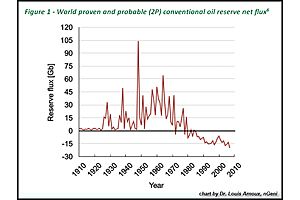
Recently, Saudi Aramco, the world largest oil exporter, has acknowledged that Ghawar, the world largest oil field, is in decline.

In 2018, central banks around the world bought more gold than they had in any of the last 50 years. Simon explains why the pace is even faster this year...