
Precious metals are apparently waking up. And here is where you can find the best deals.


Site:
Precious metals news
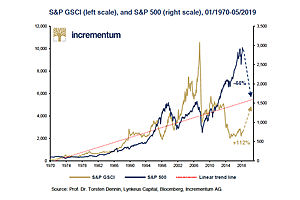
New study plotting US equities against raw material prices going back to 1970 points to 112% upside for commodities just to return to trend.

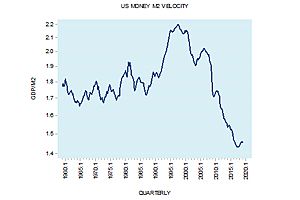
A massive decline in the velocity of money M2 since Q3 1997 raises an alarm among some commentators that at some stage this could result in a visible price deflation. This in turn runs the risk of plunging the US economy into a severe economic slump.

The European Central Bank continues to disproportionately inflate the debt bubble of the Eurozone, while the economic slowdown of the main European economies worsens. What was designed as a tool for governments to buy time in order to carry out structural reforms and reduce imbalances, has b

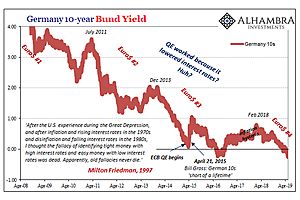
No Federal Reserve Chairman under its current configuration can say QE didn’t work. Those words will never pass the lips of whoever it may be occupying that position. The world’s bond markets, however, are trying very hard to make this resistance as uncomfortable as possible.
Defenders of central-bank independence argue that quantitative easing should have been avoided last time and is best avoided in the future, because it opens the door to political interference with the conduct of monetary policy. But political interference is even likelier if central banks shun QE in the next recession.


Trump's comments to CNBC about the Fed and its decision to raise interest rates in December.
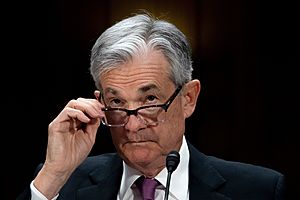
“Fed could cut as soon as July but it may not halt slowdown/recession,” Morgan Stanley’s equity strategist Michael Wilson said in a note to clients Monday.

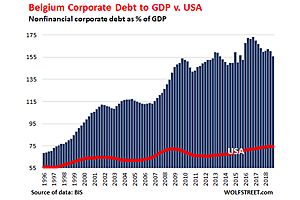
US “non financial” corporate debt – this excludes debt by banks and by businesses that are not incorporated – rose to a record $15.2 trillion in the fourth quarter...

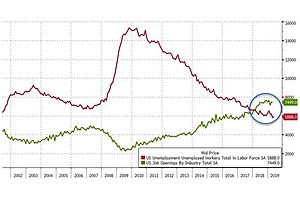
On the heels of Friday's dismal payrolls print, this weaker JOLTS print suggests perhaps the jobs outlook is not as rosy as many perceive.
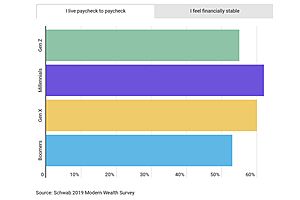
Home sales are at post-recession lows and the labor force participation rate is collapsing because you have an army of Taco Tuesday baby boomers roaming the streets of California enjoying inflated real
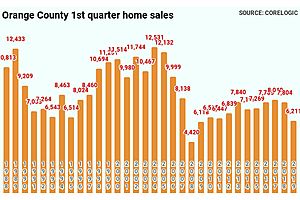
Orange County has just experienced their slowest start to a year in terms of home sales since The Great Recession.


A funny thing happened on the way to my finalizing this article: Federal Reserve Chairman Jerome Powell finally broke down and told the truth:

Last week was a good one for the stock market. Peter Schiff raised an important question in his latest podcast: why?Answer: it's all about the Fed.Everybody is giddy because they think the central bank is going to save the day once again. In this podcast, Peter explains why they are wrong.
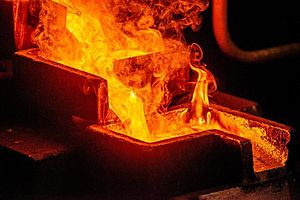
China extended its gold-buying spree, adding to reserves for a sixth straight month, as the protracted trade war with the U.S. hurts growth expectations and boosts demand for a portfolio diversifier.

The gold/silver ratio keeps climbing. And climbing and climbing. When is this darn thing going to reverse and see silver finally outperform gold? While no one really knows the answer to that question, there are hints that can tell us when things might shift. And just how big that shift might be.
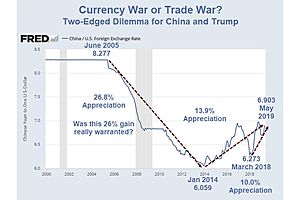
Does China (Trump) want to fight a trade war or a currency war?


The Federal Reserve is reviewing its strategies and tools.

An uptick in home flipping activity could indicate that conditions in the housing market are worsening.

The U.S. junk bond market is making significant gains this week amid surging expectations that the Federal Reserve will cut rates this year.
 Peter Schiff: The World Needs an Alternative to the Dollar and the Best Alternative Is Gold (Video)
June 10, 2019

As we've been reporting, central banks around the world are aggressively adding to their gold reserves. During an interview on RT's Boom Bust, Peter Schiff talked about this move toward gold and said these central banks are preparing for a dollar crisis. The world is looking for an alternative to the dollar and the best alternative is gold.