
Precious metals are apparently waking up. And here is where you can find the best deals.


Site:
Precious metals news

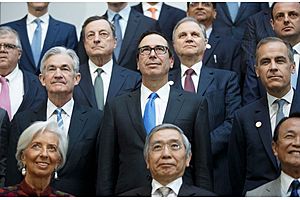
When an economy turns from expansion to contraction there is an order of events. The first signs are an unexpected increase in inventories of unsold goods, both accompanied with and followed by business surveys indicating a general softening in demand.

The recovery of expectations from the previous month has thus completely evaporated. In addition, the assessment of the current situation gives cause for concern. For the eurozone, this falls by 6 points to a 5-year low, and for Germany the value drops for the fifth time in a row at a rapid pace. Fears of recession are immanent. The other regions of the world are also descending.


As investors get ready for third quarter earnings season, several signs point to danger ahead.

Optimism about the housing market may have peaked after hitting its all-time high in August, according to the Fannie Mae Housing Purchase Sentiment Index.

A growing number of German banks are passing on negative interest rates to their retail customers as the costs become too high to bear on their own...

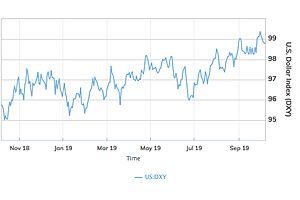
“People would think the U.S. dollar is a safe haven, it’s not. The fundamentals are horrible. Nobody in his right mind would buy the U.S. dollar...
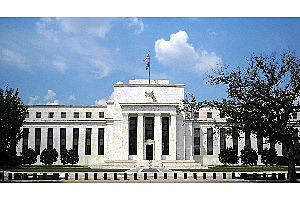
The Federal Reserve has injected $278 billion into the securities repurchase market for the first time. Numerous justifications have been provided to explain why this has happened and, more importantly, why it lasted for various days

Instead of going after the wealthy, the IRS has been under fire for targeting lower-income taxpayers with audits – which the agency now says is partially because it is easier and can be accomplished by less-skilled employees.

Dovish trends from Global Central Banks have buoyed the indices of late, but with the arrival last week’s data, should we be expecting the Fed to refrain from another rate cut?
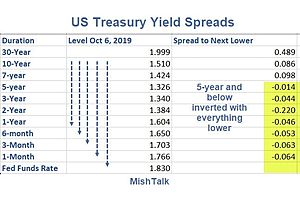
The 30-year long bond yield just fell back below 2.00% for the first time since September 4.

The overnight and end-of-quarter repo mess is scheduled to last at least a month longer.


The biggest force behind the startup bubble in the US has been SoftBank. But the scheme has run into trouble, and a lot is at stake.


This was the third consecutive increase in repo op usage, the highest in a week and the second highest since the start of the month.

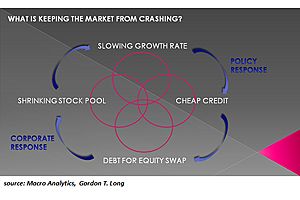
The Fed's nearly free money for financiers policies in support of the Super-Rich do not exist in a vacuum--the disastrous consequences are already baked in.


Last week, we got bad news in the manufacturing sector. The ISM index of national factory activity dropped to a 10-year low. It was the second straight month the number was below 50, which indicates a contraction in manufacturing. That news sent stock markets into a tailspin. This was followed up by a very week service sector report the following day.In his most recent podcast, Peter Schiff said the service sector is about to follow manufacturing into recession. He also talked about the recent employment numbers and explained how the Fed is acting like a Soviet Politburo.


SD Outlook: A ‘death cross' in this index says the markets are going down. Gold & silver may get hit on Monday, however...
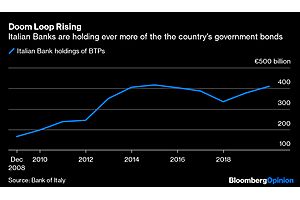
Mario Draghi, the departing head of the European Central Bank, has been buffing up his “savior of the euro” image in a swansong series of interviews.

This fundamental breakthrough promises a new category of materials that can overcome a traditional trade-off in industrial and commercial materials between strength and ability to carry electrical current.


Gold eased on Monday as the dollar firmed after a report said China was likely reluctant to agree to a broad trade deal with Washington.
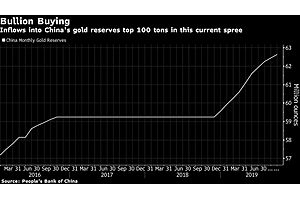
China has added more than 100 tons of gold to its reserves since it resumed buying in December, reinforcing its standing as one of the major official accumulators as central banks stock up on the precious metal.