
Precious metals are apparently waking up. And here is where you can find the best deals.


Site:
Precious metals news
 Now at a Whopping $32.7 Trillion – US Government Debt Spikes by $1.2 Trillion Since Debt Ceiling
Aug 1, 2023 - 05:40:10 PDT
US national debt has spiked by $1.19 trillion to $32.66 trillion since the lifting of the debt ceiling. The Treasury Department increased borrowing plans to $1.01 trillion this quarter and an expected $852 billion in the next due to lower revenues and higher outlays. This flood of Treasury securities will need to attract investors with high enough yields, and an increase in longer-term securities issuance is expected soon.
Gold's value remains steady as investors evaluate the Federal Reserve's recent decisions and decreasing US consumer inflation. Gold's reputation as a risk hedge and alternative to the US dollar contributes to its 60% rise over five years, outperforming the dollar. The US's soaring public debt, predicted to reach $52 trillion by 2033, coupled with political resistance to spending cuts or tax hikes, may lead to a major debt crisis in the next decade. This could discourage foreign debt buyers, particularly non-allied nations like China, potentially leading them towards gold. Hence, it's likely gold prices will continue to excel in the upcoming decade.
Unusual changes in COMEX silver futures show a managed money trader taking a large short position. This trader must eventually buy back this short position, potentially positively influencing silver prices. Simultaneously, a new substantial silver long has emerged, hinting at a longer-term commitment to silver. Despite possible regulatory challenges, these developments could significantly impact the silver market and potentially lead to a surge in prices.
Eurozone inflation woes are escalating as the record-breaking surge in services sector prices persists, up 5.6% in July. Domestic price pressures, spurred by wage increases and robust profit margins, have taken center stage, overshadowing the significant decline in energy prices and tempering of food inflation. The stubbornly high "core" CPI at 5.5% underpins the growing problem. Despite the European Central Bank's attempts to mitigate this through asset reduction and policy rate hikes, they seem to be losing the battle against entrenched inflation, posing a substantial economic risk.
The US Treasury is preparing for a significant increase in longer-term security issuance in response to a worsening budget deficit and surging interest rates. The public borrowing requirements are escalating due to the Fed's rate hikes, which increase yields on government debt, thereby making it costlier. Concurrently, the Fed is reducing its Treasury holdings, which necessitates larger government sales to other buyers, potentially leading to more volatile auctions. An uptick in debt issuance doesn't immediately mean lower prices and higher yields but increases the potential for short-term volatility, especially given the banks' reduced market-making appetites. The combination of Fed rate hikes and inflation has spiked the cost of servicing US government debt by 25% in the fiscal year's first nine months. This rapid growth in public borrowing only underscores the seriousness of the country's financial situation.

The Federal Reserve's aggressive inflation-taming strategies, emphasizing swift and steep interest rate hikes, are questionable in achieving a "soft landing" without causing a recession or massive job losses. Timely rate reduction, a crucial part of the strategy, is even more challenging. The central bank's inability to prevent previous recessions, despite decreasing borrowing costs 3 to 13 months before downturns, showcases the difficulty in implementing effective monetary policy. With high inflation now a grave concern, the risk of doing too little might prompt yet another rate hike, despite investors believing the Fed may have finished.
 Biden Administration Fakes Out Americans With A "Manufacturing Boom" As US Production Plunges
Jul 31, 2023 - 10:04:42 PDT
Despite Democrats touting economic success under Biden, around 60% Americans are dissatisfied with his economic handling, and 70% report financial stress due to inflation. The claimed "manufacturing boom" is based on a surge in government-subsidized green tech factories. Critics argue this short-term boost, fueled by the "Inflation Reduction Act," merely inflates economic figures while draining American wealth. Meanwhile, U.S. manufacturing has significantly declined, with the ISM Purchasing Managers Index hitting a low not seen since the 2008 crash, and factory output falling for four consecutive months.
 Corporate Bonds Yield 0.12% Above the Fed Funds Rate, Lowest Level of the Global Financial Crisis
Jul 31, 2023 - 09:36:52 PDT
Corporate bonds currently yield a mere 0.12% above the Fed Funds rate, the lowest since 2007, before the Global Financial Crisis. History shows that such suppressed levels often precede economic downturns. Numerous indicators, including the major yield curve inversions - over 90% of the Treasury curve recently - suggest an impending severe recession. These inversions have reliably predicted past economic contractions. Furthermore, the delayed impact of the Fed's tightening monetary policies could trigger a significant credit contraction and more economic problems.
Eurointelligence's Wolfgang Münchau has criticized the ECB's forecasting model, stating it's biased towards its inflation target and increases the risk of policy errors. Analyst Jim Bianco suggests a possible inflation rebound, arguing that inflation expectations, a key component in central bank models, are irrelevant to most of the Consumer Price Index. Despite this criticism, the Fed continues to adhere to its belief in inflation expectations. The inflationary pressure could be further exacerbated by policies such as Bidenomics, electric vehicle mandates, and wage increases without corresponding productivity gains. These wage hikes, without productivity growth, are stoking inflation. Controlling this inflation may necessitate an economic or stock market crash.
Jul 31, 2023 - 06:16:45 PDT
Under Biden's administration, which heavily relies on the Federal Reserve's lax monetary policy resulting from the drastic overreaction to the COVID-19 shutdowns, the US economy is showing concerning signs. The growth of commercial and industrial (C&I) lending and bank credit are both plummeting. Moreover, the US Treasury's 10-year to 2-year yield curve is considerably inverted at -91.031 basis points and the M2 Money growth is nosediving. Additionally, the 30-year mortgage rate hovers around a high 7.27%.
Commercial real estate (CRE), specifically office spaces, are experiencing a significant downturn due to rising Federal Reserve rates and inflation. The NCREIF Office Property data reveals a steady decline in office value since Q2 2022. A report from Trepp highlights a severe value loss in the past decade, with newer buildings losing 52% of their value. Coupled with $528.7 billion of commercial mortgages maturing this year and a decrease in real gross domestic income, the outlook for the US economy and CRE market is troubling.
Jul 31, 2023 - 05:58:40 PDT
Home sales are slowing as buyers reach their financial limits, with October 2022's median home sales price peaking at $496,800, and since falling 16.4%. This downturn is generally associated with recessions. The drop in mortgage transaction rates is mostly tied to elevated mortgage rates nearing 7.0%, and increasing asking prices. Existing home sales have been in a decline since February 2022, despite efforts by homebuilders to stimulate the market through price reductions, offering smaller homes, and absorbing interest rate differences.
June 2023 report from the RV Industry Association highlights a steep 46.4% fall in RV shipments, largely due to high borrowing costs. However, the striking trend is a 7.7% rise in "Park Model RVs" demand, reflecting a concerning shift in housing preferences. This trend echoes a deepening housing affordability crisis, effectively pushing the 'American Dream' out of reach for many amid stagnating wages. Consequently, more people are resorting to alternatives like Home Depot's "Gateway Pad" trailers.

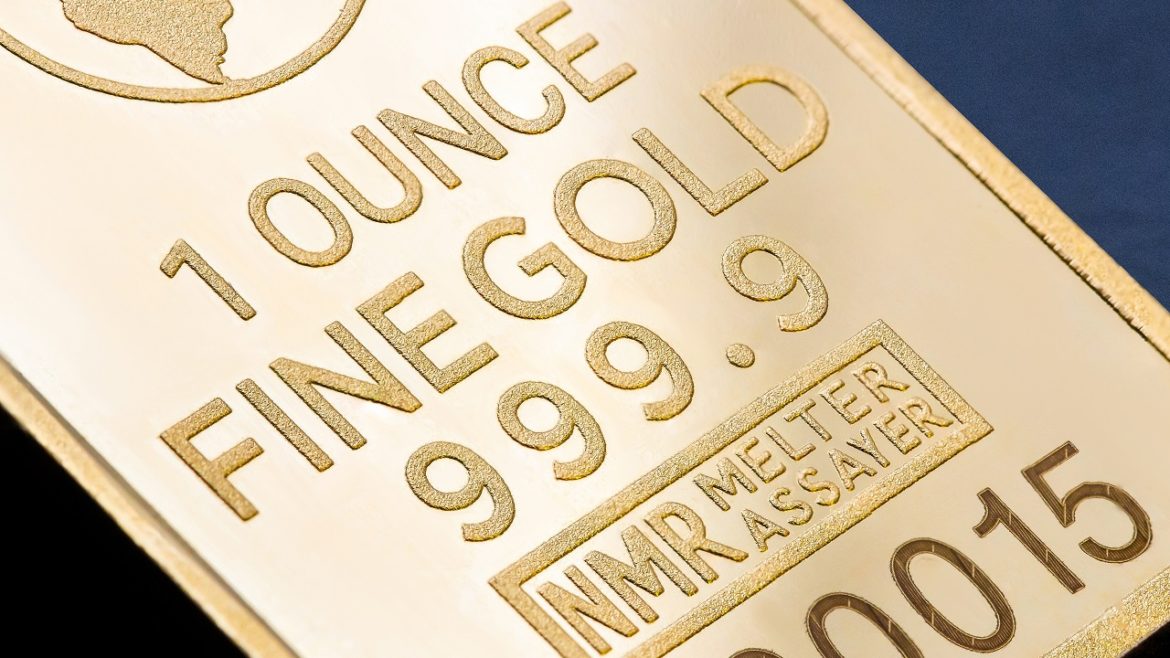
JP Morgan forecasts $2,000 gold by the end of the year with the price continuing to rise to record highs in 2024.In his latest note, JP Morgan executive director of global commodities research Greg Shearer projects the price of gold will average around $2,175 an ounce by the fourth quarter of 2024. That would represent an 11% increase from the current price.

Good news. The looming US recession has been canceled.Or has it?
 ENERGY & MARKET UPDATE JULY 30th: Weakening Economy Hit By Next Round Of Energy Cost Push Inflation
July 30, 2023

Even if the Global Economy continues to weaken, it will face the next round of Energy Cost Push Inflation towards the end of the year and into 2024. The dynamics of the oil market have changed considerably while economists still ignore the negative implications of the ENERGY CLIFF...
Historically, gold has been acknowledged as real money, maintaining a consistent and unchanging value. The varying price of gold is not indicative of its intrinsic value but rather showcases the declining purchasing power of the currency used to price it, such as the U.S. dollar. Increases in the price of gold merely signify the depreciation of a currency, not gold's appreciation. Importantly, all governments inflate and destroy their own currencies. Hence, regardless of its market price in any currency, the value of an ounce of gold stays the same, effectively rendering gold priceless.
Advocates of interventionism habitually lay the blame for inflation on a myriad of factors, yet they overlook the single most influential cause: the issuance of more currency units than what the real demand dictates. This notion of 'seller inflation' is merely a derivative of the 'cost-push inflation' fallacy. It's a clever strategy designed to obfuscate the true source of the issue and attribute the root cause to factors that cannot, in reality, trigger an aggregate price increase. This misdirection not only confounds citizens but also shifts the focus away from the genuine economic dynamics at play.
The Congressional Budget Office reveals that the US budget deficit rose by 156% to $225 billion in June, leading to a $1.4 trillion deficit for the first nine months of fiscal 2023, marking a 171% increase from the same period in the previous year. The US national debt officially stands at $32.6 trillion. However, the situation is more severe, with the real obligations, including entitlements like Social Security and Medicare, estimated to be around $200 trillion. Amid these circumstances, potential solutions such as severe spending cuts, considerable tax increases, or hyperinflation pose significant risks. Given these challenges, the Federal Reserve might resort to hyperinflation by printing more money, despite the long-term economic dangers.
 US Consumers Are Running Out of Money and Piling Up Record Credit Card Debt
Jul 28, 2023 - 08:31:07 PDT
Americans' financial health is showing signs of strain, as pandemic-era savings deplete and credit card debt hits record levels, recent Federal Reserve data indicates. During the pandemic, direct stimulus spending allowed for lower credit card debt and a surge in savings, amassing a collective $2.3 trillion. However, Gen Z and millennials are now seeing significant credit card debt increases, and the overall cash balance in American households is at its lowest since April 2020. With inflation persisting and the student-loan payment pause potentially expiring in September, further economic distress is feared. Despite positive trends in wages and GDP, many Americans continue to struggle with mounting bills and dwindling savings, challenging the economic recovery narrative.