
Precious metals are apparently waking up. And here is where you can find the best deals.


Site:
Precious metals news

In his testimony, Chairman Powell warned that when the next recession inevitably occurs, the US Government’s over $23 trillion debt would prevent Congress from increasing spending to revive the economy.
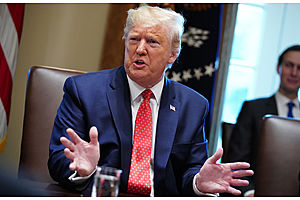
Financial markets, which have proven reactive to developments in the ongoing trade war, largely shrugged off the president's latest warning.
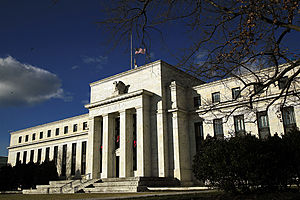
The Federal Reserve's latest effort to calm the financial system — pumping $100 billion a day into trillion-dollar funding markets — is intended to be a temporary role, born of necessity. But it may turn out to be a significant expansion of the Fed's footprint.
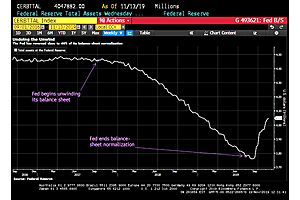
The Fedsays that its Treasury-bill buying program isn’t the same as quantitative easing. But the advance in U.S. equity prices alongside the central bank’s growing balance sheet suggests to some that the effects may not be wildly different.


With interest rates in many countries close to zero or even negative, some commentators are of the view that monetary policy of the central banks are likely to become less effective in navigating the economy.


While gold is likely to outperform all other asset classes in 2020, there's also a scenario that would stun most investors with gold's upside intensity...
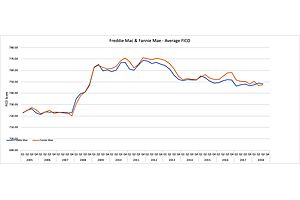
Mortgage giant Fannie Mae recently released their Q3 2018 loan acquisition data base. And it revealed that Fannie Mae is seeing a spike in risk-taking. First, the average credit (FICO) score. Both …

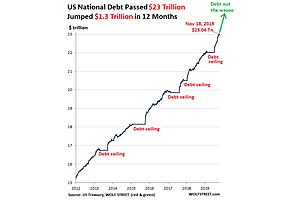
But Who Bought This Pile of Treasury Securities?

The fear that today’s negative or low interest rates render central banks helpless in face of the next economic crisis.

"As things stand, around 2 million people are facing cuts from next year."
Nov 19, 2019 - 09:38:21 PST
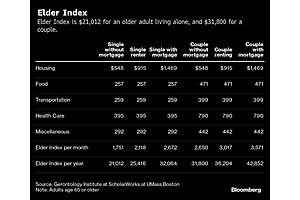
The majority of Americans living alone are at risk of not being able to pay for basic needs.That’s according to new estimates of financial insecurity...
 San Francisco & NYC, Businesses Beginning to See the Ugly Side of Socialism
Nov 19, 2019 - 09:33:27 PST
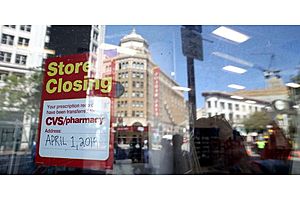
Store closures and layoffs, as their owners cannot keep up with local government mandates that raise the costs of their businesses.
Nov 19, 2019 - 08:57:42 PST

China's central bank pumped 170 billion yuan (about 24.86 billion U.S. dollars) into the interbank system Tuesday, via two liquidity tools of reverse repos and fixed term treasury cash deposits.
Nov 19, 2019 - 08:19:54 PST

Financial regulations put in place following the 2008 financial crisis may have contributed to recent ructions in short-term lending markets, New York Federal Reserve President John Williams said on Tuesday.

Tuesday’s amount was higher than the $61.043 billion accepted on Monday.

Tuesday’s intervention came in two parts, with eligible banks taking less liquidity than the Fed offered...

With the stock market surging higher, the market riggers likely do not have to lean as heavily on gold & silver, however, to get a rip roaring rally...
 This Trend Could Hurt Wall Street's Bullishness & Revive Recession Fears
Nov 19, 2019 - 06:45:20 PST

The Economic Cycle Research Institute's Lakshman Achuthan warns that a slowdown in retail sales and industrial production could spell trouble stocks.
 Housing Starts, Permits Rebound In October Despite Slump In Buying Climate
Nov 19, 2019 - 06:43:57 PST
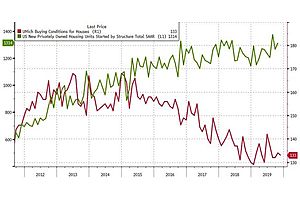
Delusional homebuilders in a 'field of dreams' world or debt-laden Americans unable to see the American Dream?


Back in 2017, the IMF published a creepy paper offering governments suggestions on how to move toward a cashless society even in the face of strong public opposition. It hasn’t been in the news a whole lot lately, but the war on cash undoubtedly continues. In fact, the Chinese Communist Party (CCP) may be planning to embrace the idea as another weapon to wield against its people.In August, the People's Bank of China said it was close to launching a digital yuan. This could take the first step toward pushing China toward a cashless society.