
Precious metals are apparently waking up. And here is where you can find the best deals.


Site:
Precious metals news
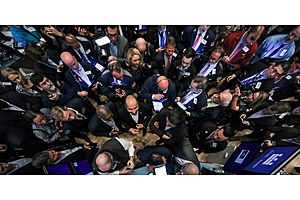
It's getting more difficult to freely trade stocks as investing turns into an 'extreme sport'

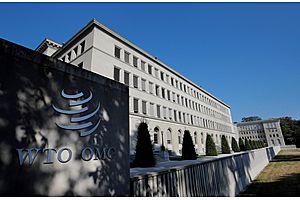
“Historically high levels of trade-restrictive measures are hurting growth, job creation and purchasing power around the world,” WTO Director-General Roberto Acevedo...


For the third time, Japan has increased the country’s sales tax when a tightening of fiscal policy wasn’t merited. For the third time, the economic hit has been greater than expected.


U.S. business debt exceeded that of households for the first time since 1991, a potential warning sign for the economy as corporate investment softens.

The options-based Black Swan index may be signaling surging demand from investors for protection against a stock market crash, but Wall Street analysts see little reason to panic.

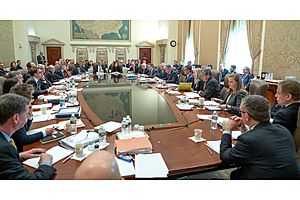
Mainstream thinking considers the central bank a key factor in the determination of interest rates.

Our escape is our great challenge for the coming years: the challenge facing France (which seems to have no escape), the challenge facing Italy, and the great challenge facing Spain as well.

Bond Buyers Hunt for Cheap CLOs, Mortgages After Credit Windfall...

Dec.12 - Steen Jakobsen, chief economist and chief investment officer at Saxo Bank A/S, talks about his "outrageous" predictions for 2020. He also discusses the market implications of the U.K. election. He speaks with Juliette Saly and Rishaad Salamat on "Bloomberg Markets: Asia."


Editor’s Note: Nothing in this video constitutes legal or tax advice, and you should not rely on its claims as such.“If the survival of the dollar is threatened, you cannot rule out the government trying to make gold and silver illegal again.”That’s how Mike Maloney begins his new video, a discussion with Jeff Berwick of Dollar Vigilante, on the possibility of gold confiscation.While Mike says confiscation “probably won’t happen, you’re screwed if all you own is coins and bars.”


A majority of the largest U.S. companies expect to reduce head count in 2020, according to a fourth-quarter CNBC survey of chief financial officers. That may seem surprising in a strong economy and labor market and coming off a huge November jobs number, but it's not. Here's why.

New research shows that the retirement savings rate has not returned to pre-Financial Crisis levels. And 401(k) plans, which were supposed to replace pensions, are letting some American families fall through the cracks, according to the Economic Policy Institute.

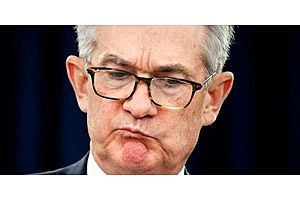
The Federal Reserve’s policy meeting this week had, unusually, little to do with interest rates.

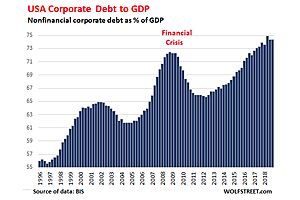
What does it mean when the Fed and other central banks jointly bemoan the effects of their own policies? Worried about not being able to keep all the plates spinning?

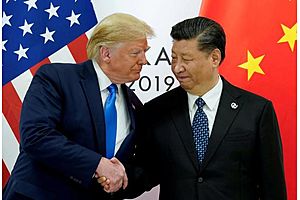
And just like that, confirming weeks of media speculation, Trump has folded with the Dow Jones/WSJ reporting that not only will Trump not impose the new tariffs set to come into effect on Dec 15, but will cut existing tariffs by up to 50%.
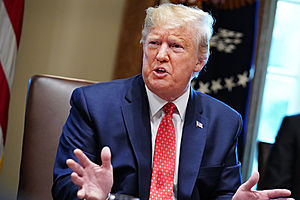
Trump tweet saying US is 'very close' to China deal. Stocks jumped in early trading Thursday after President Donald Trump said China and the U.S. were zeroing in on a trade deal.


The Federal Reserve held rates steady during the final FOMC meeting of the year, but the messaging turned out to be more dovish than markets anticipated, with the Fed signaling it will not raise rates at all in 2020. Stocks and gold both moved up on the news.Peter Schiff appeared on Fox Business' Claman Countdown along with National Alliance Security's Andy Brenner and former Dallas Fed chief economist Michael Cox to talk about the Fed. Peter said Powell said "a lot of foolish things" during the post-meeting press conference.


Volcker had a solid understanding of inflation and had opposed going off the gold standard in 1971.
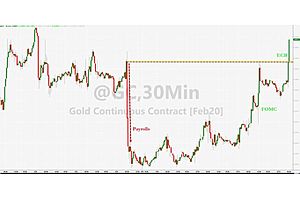
Gold and silver have erased all the post-Payrolls losses...
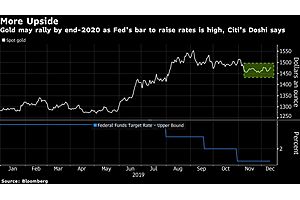
“With the risks to global growth still to the downside; with inflation still undershooting, not overshooting; and with trade tensions still likely to persist through 2020, we think the bar to cut or to go back to policy easing is lower.”