
Precious metals are apparently waking up. And here is where you can find the best deals.


Site:
Precious metals news

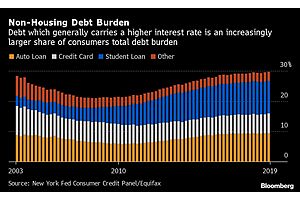
Americans increased their borrowing for the 22nd straight quarter as more households took out loans to buy homes or refinance existing mortgages, according to a report released today from the Federal Reserve Bank of New York.
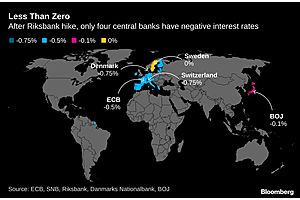
Riksbank officials are finding out that ending negative interest rates is far easier than convincing people the policy will stick.Little more than a month since Sweden’s new benchmark...

Since 1900 markets have had their fair share of crashes. Mind you crashes don’t happen that often, in fact crashes are very rare. You know what’s also very rare? A particular party bein…
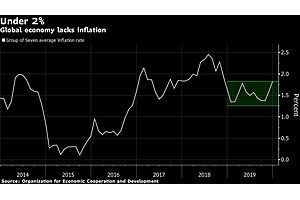
...there is “absolutely no preparedness for an inflationary environment” in the U.S.

Live updates of what's moving the market, including the latest, the coronavirus and the Fed.
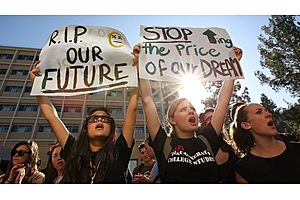
The Education Department's budget would be reduced under Trump's 2021 budget. Cuts include the end of subsidized student loans and the public service loan forgiveness program.


Today the federal government will release a nearly $5 TRILLION annual budget proposal for Fiscal Year 2021 (which begins on October 1st of this year). Needless to say, that’s more money than any government has ever spent in the history of the world.

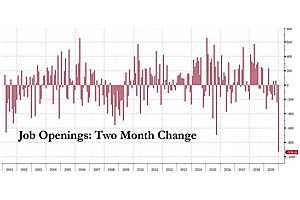
Job Openings Post Biggest Two-Month Drop In History.
Feb 11, 2020 - 07:31:01 PST

If we have a liquidity crisis though, everyone will be talking about it – because that’s where the financial meltdown would occur.
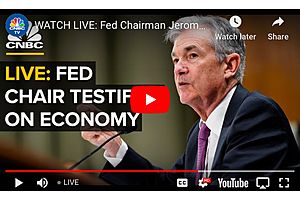
Federal Reserve Chairman Jerome Powell appears Tuesday before the House Committee on Financial Services as part of his semiannual testimony to Congress.
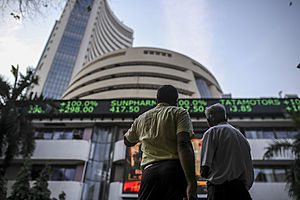
Mike Green of hedge fund Logica Capital, who argues that the trend is causing major market distortions that will eventually unwind with ugly consequences.
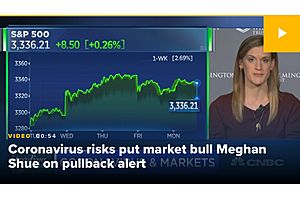
Wilmington Trust's Meghan Shue expects elevated market volatility until the number of coronavirus cases peak.


During the Vancouver Resource Investment Conference, Peter Schiff joined Frank Holmes (US Global), Rick Rule (Sprott US), and Grant Williams (Vulpes Investment Management) on the "Ultimate Gold Panel. Daniela Cambone moderated the discussion.Gold charted its best year since 2010 last year. The price increased by 18.4% in dollar terms. The yellow metal also reached record highs in every G10 currency except the dollar and the Swiss franc. Can this bull-run can continue into 2020?


When it comes to gold, it's often hard to tell financial journalists from pet rocks. Here's the latest example...

Some of the forces that held down U.S. economic growth last year have eased, but risks to the outlook remain, particularly from the coronavirus, Federal Reserve Chairman Jerome Powell said Tuesday.
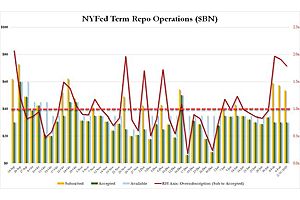
The liquidity crisis that continues to percolate just below the surface of the market and has clogged up the critical plumbing within the US financial system, is getting worse, not better.

"Because of the temporary nature of that, I would expect more of a rebound. It most likely will be something that in another year or two will be well beyond what everyone will be talking about."
An infection typically hits the vulnerable hardest — and in the new coronavirus outbreak this might apply economically too. For all the geographical distance between Europe and China, the euro zone has much to fear from its spread.

Americans are driving the US economy along with borrowed money. The question is how much longer can it last?Consumer debt surged once again in December as Americans charged up their credit cards for the holidays. Total consumer credit grew by $22.1 billion in December, according to the latest data released by the Federal Reserve. That represents an annual growth rate of 6.3%. Total consumer debt now stands at a record $4.197 trillion.

Shanghai joined Beijing back at work Monday, but the megacities that govern the world’s second-largest economy remained eerily quiet as many logged on from home to avoid worsening the coronavirus outbreak.