
Precious metals are apparently waking up. And here is where you can find the best deals.


Site:
Precious metals news


U.S. mortgage rates fell for a second straight week, giving homeowners more incentive to refinance -- as long as they still have jobs.


As the U.S. tries to implement a historic $2 trillion coronavirus relief plan, lawmakers are outlining what they think the next bill should include.


Job losses are mounting across Europe, intensifying pressure on governments to protect their labor markets from the backlash of the coronavirus or face the threat of protracted recessions.

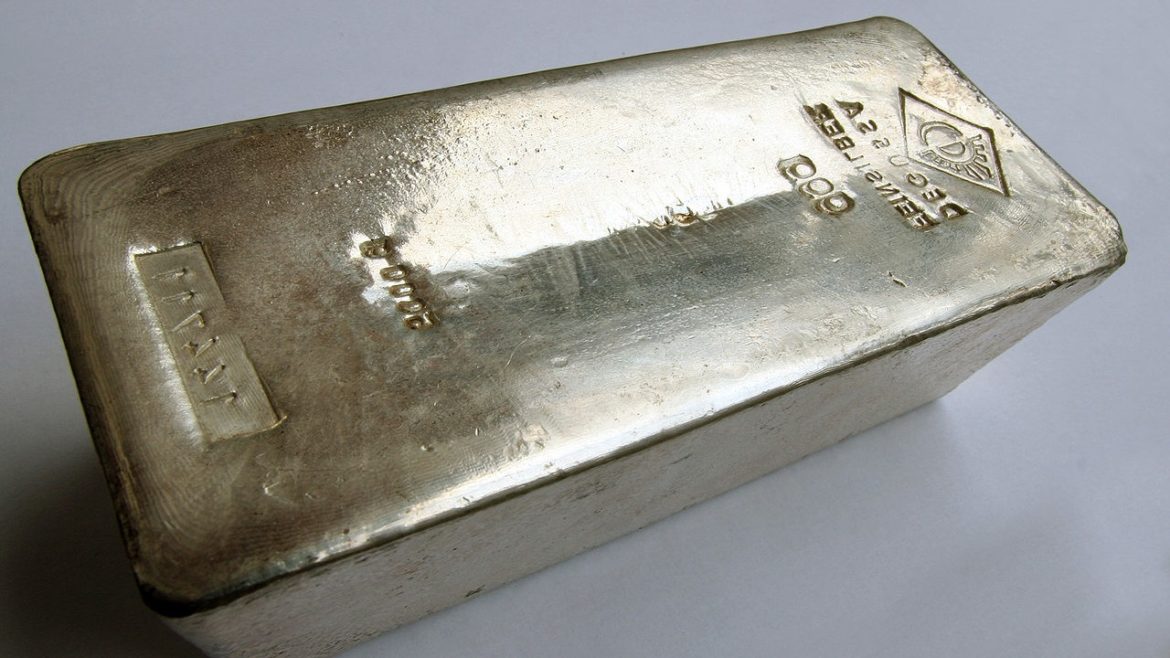
There's been a lot of focus on gold with the crashing stock market and economic chaos set off by the coronavirus economic lockdown. But what about silver?There were reasons to be bullish on silver even before the bottom fell out of the stock market. In its 2020 Market Forecast, the Silver Institute projected that silver would shine with higher prices supported by expanded physical investment and industrial demand. The market dynamics have certainly changed since the institute released that report, but there are still reasons to be bullish on the white metal.

Jeffrey Gundlach has a warning for investors piling into gold-backed ETFs: Don’t think you’ll get the physical metal back.



...the “huge liquidity input” that central banks are preparing doesn’t appear fully priced in and “could be a supportive element for the bullion price in the next few months.”

U.S. stock futures gave up sharp gains from earlier in the session on Thursday on the back of grim unemployment data.


"US Labor Market Is In Free-Fall"

First-time claims for unemployment insurance were expected to total 3.1 million, according to economists surveyed by Dow Jones.

The true condition of mortgage markets around the country is murkier than ever. Second, a full picture of mortgage modification re-defaults would offer us a much clearer understanding of how bad the delinquency situation really is.


Mnuchin: “We have a lot of money. We need to get that money in Americans’ hands.”
We just wrapped up the worst first quarter in the history of the US stock market. Think about that in context. Even during the dark days of the Great Depression, there has never been a worse start to a year for the US stock market than 2020.Nevertheless, there are still a lot of people out there who think this is going to be a short bear market. As Peter Schiff put it in his podcast, that's because they're still fixated on the pin.


The chart is another attempt to evaluate the historical context for this index as a coincident indicator of the economy.


A new study by Morgan Stanley estimates the deficit will total at least $3.7 trillion this calendar year, and $3 trillion next year, financed by the sale of Treasurys, largely to the Federal Reserve.


The Federal Reserve on Wednesday said it was temporarily taking steps to ease an obscure capital requirement for large banks to address strained conditions in the Treasury market.

As the coronavirus, or COVID-19, wreaks havoc on the U.S. economy, more than 66 million jobs across sales, production, and food preparation services are at “high risk” of layoffs, according to a St. Louis Federal Reserve economist.

Wilmington Trust's Meghan Shue warns investors will see two grim quarters of losses — not just one.

“As has been the case in past downturns, financial distress will continue to increase, leading to higher defaults and downgrades.”

And with billions of dollars at stake to those who merely take money from point A and deliver it to point B, one can be certain that everyone will be applying.