
Precious metals are apparently waking up. And here is where you can find the best deals.


Site:
Precious metals news

US home sales are predicted to face their steepest decline since 2011, with Fannie Mae projecting sales to plunge to a mere 4.8 million this year due to soaring mortgage rates, reaching a staggering 7.18%, the highest since 2001. This financial strain, combined with a looming economic slowdown anticipated by Fannie Mae economists for next year, casts a bleak shadow over the housing market. Despite some pointing to current consumer spending as a positive sign, Fannie Mae warns of the unsustainability of these trends, especially given the drop in real disposable personal income.
 FOMC Preview: Eyes on Dot Plot, No Rate Hike, but November and 2024 in Focus
Sep 20, 2023 - 06:04:32 PDT
The FOMC is anticipated to keep rates steady at 5.25%-5.50% tomorrow. Experts are divided on whether this is the final rate hike or if another is expected in November. Goldman's Jan Hatzius and UBS's Jonathan Pingle believe July might have been the last hike. Fed Chair Jerome Powell is likely to focus on addressing inflation concerns, while the possibility of a November rate hike remains contingent on future data.
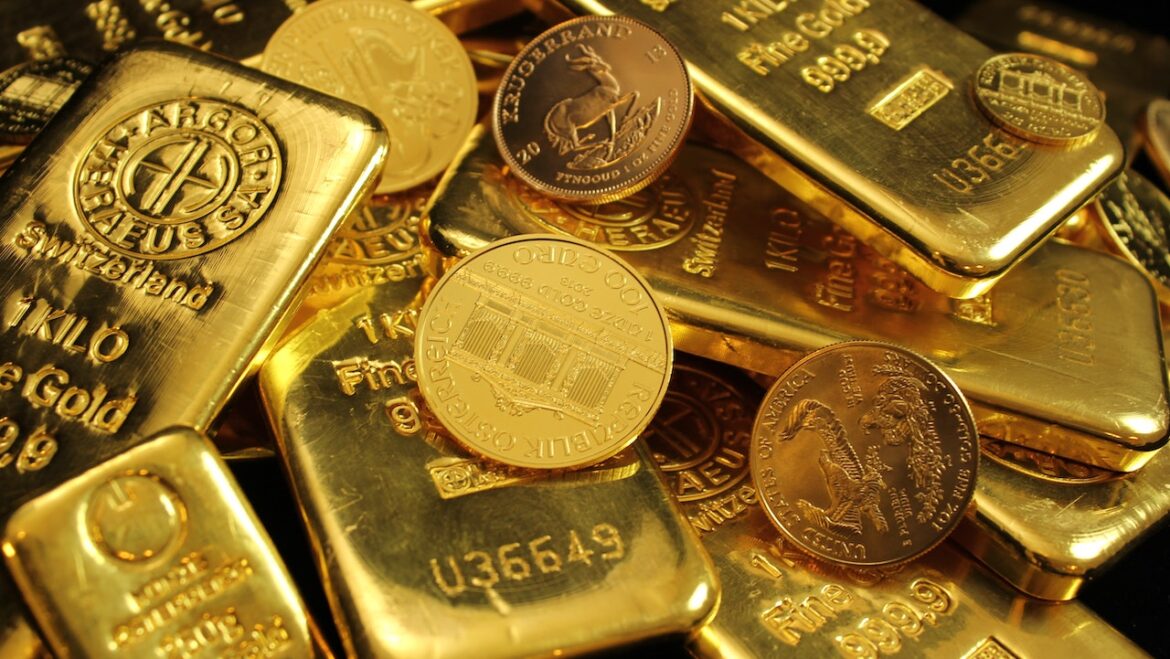
With price inflation running rampant in Japan, Japanese households are rushing to buy gold.The sudden surge in demand, along with the devaluation of the yen, has driven the price of gold to record highs in yen terms.

The Federal Reserve continues to bail out US banks as the financial crisis that kicked off last March continues to smolder behind the walls.Banks borrowed an additional $2.2 billion from the Federal Reserve’s bank bailout program in August. This was on top of the $3.7 billion they borrowed in July.
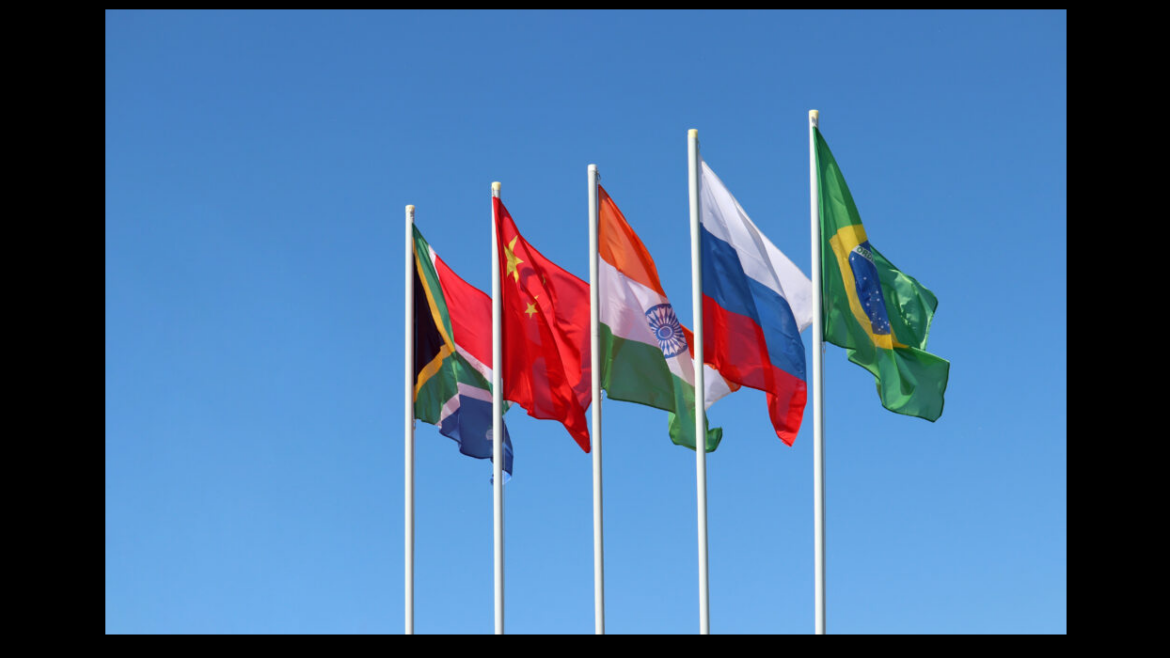
Last month, the BRICS economic bloc extended invitations to six new members, including Saudi Arabia. What are the ramifications of this expansion? That remains to be seen.But as Ron Paul pointed out, it could further erode the West's economic power, and ultimately threaten the status of the dollar as the exclusive global reserve currency.
The Federal Reserve held interest rates steady at the September FOMC meeting, but the committee indicated that it plans to hold rates higher for longer than originally projected.As you digest the Fed meeting, it's important to remember that there is a big difference between "saying" and "doing."
In a recent conference, renowned economist Jim Rickards shared a promising outlook on the future of the BRICS currency. He highlighted that the new currency might be "gold-linked", emphasizing the strength and stability it would bring to global markets. Rickards clarified that while the US possesses more gold, it wouldn't be advantageous for BRICS to be merely backed by gold. Instead, being "linked to gold" offers an edge, drawing upon gold's consistent value and minimal volatility.

High inflation, escalating credit costs, and a massive debt burden are dampening the economy. The US's inverted yield curve suggests a looming recession. Rising yields depress asset values, notably in real estate, leading to cautious bank lending. As refinance challenges grow, economic contraction looms. Stock valuations are uncertain, with gold and silver becoming attractive. A potential recession and high unemployment are imminent threats.
Sep 19, 2023 - 12:09:58 PDT
The Bank for International Settlements (BIS) warns of potential instability in the $25tn US Treasuries market due to leveraged bets by hedge funds. Short positions in Treasury futures are hitting alarming levels, around $600bn. Such high leverage, if unwound abruptly, could cause significant market disruptions. Recent historical events have shown the consequences, and multiple financial bodies are expressing similar concerns. The stability of the massive Treasury market is at risk.
Inflation and currency issues, exacerbated by currency printing during the pandemic and lockdown measures, are emerging as a global crisis. As a response, Central banks and investors are turning to gold as a safer asset. Central banks worldwide are attempting to stabilize economies that have relied heavily on artificial measures. The failure of these measures could precipitate substantial economic downturns.
Global debt skyrocketed to a staggering US$307 trillion in Q2, with a notable US$10 trillion increase in just the first half of 2023, the IIF reported. The global debt-to-GDP ratio hit 336%, reversing a seven-quarter decline. Predominantly, developed countries like the US and Japan contributed to this surge, with emerging markets like China and India also showing significant increases.

Gold prices reached a two-week high on Tuesday, benefiting from a softer U.S. dollar ahead of the Federal Reserve's policy meeting. Spot gold rose to its highest since Sept. 5 at $1,934.40 per ounce, while U.S. gold futures increased by 0.2% to $1,957. The market awaits the central bank's upcoming economic forecasts.
 The Ticking Time Bomb Gets Closer to Zero as the National Debt Quietly Blows Past $33 Trillion
September 19, 2023

Do you hear that? It's a ticking time bomb.Last Friday, the national debt quietly blew above $33 trillion.As of September 15, the outstanding federal debt stood at a cool $33,044,858,730,468.04.
The NAHB sentiment survey hinted at a decline in housing starts, and they indeed dropped significantly by 11.3% MoM in August. In contrast, forward-looking permits unexpectedly rose by 6.9% MoM. This divergence saw the lowest starts since June 2020, while permits reached a peak not seen since October 2022. Notably, multi-family rental starts declined sharply, whereas single-family permits increased for the eighth consecutive month. Despite a drop in homebuilder sentiment, permits are rising, raising questions about the reasons behind this optimism and whether the Federal Reserve will intervene.

The Federal Reserve faces a challenge as it meets to assess economic projections, with inflation proving less predictable than anticipated and an unpredictably robust economy. Their previous forecasts, especially for core inflation, now appear overly optimistic. Despite these uncertainties, rate cuts seem increasingly unlikely, suggesting the Fed may have misjudged the economic landscape. While they are unlikely to increase rates in the upcoming meeting, the unexpected strength of the economy could further disrupt their previous plans for rate reductions next year.

The unending cycle of crisis and bailout has long tormented many poor and middle-income nations, worsened by the pandemic, Russia's Ukraine invasion, and soaring food and fuel costs. The upcoming United Nations General Assembly will address this dire situation. Developing countries are drowning in over $200 billion of debt, risking economic collapse and erasing progress in education and health. Yet, these struggling nations continue to be overlooked by the international community.
Sep 19, 2023 - 05:56:28 PDT
McCarthy's 8% spending cut and border wall proposal faced opposition from ultra-conservative GOP members. Lacking support, he dared hardliners to oust him. The added demand to defund the Trump probe and block Ukraine aid, along with the "motion to vacate" rule, complicates his position. A potential compromise with Democrats could be viewed as a GOP defeat, while external factors like energy issues and UAW strikes intensify the challenges.

The US national debt skyrocketed by $1.58 trillion since the debt ceiling was raised, reaching a concerning $33.04 trillion. The bulk of this, $26.2 trillion, is in marketable securities traded globally. Interest rates on these debts are at their highest since 2011, and the overall debt has ballooned 120% since September 2011. The recent $2.2 trillion surge in just a year points to reckless deficit spending, amplifying inflation fears. With interest payments eating up 36.2% of specific tax revenues, the US is on a precarious fiscal path.

After the August CPI data came out, Paul Krugman declared that the inflation war was over. The Biden administration and the Fed won the fight. In his podcast, Peter Schiff said he actually agrees with Krugman, at least in part. The inflation war is over. But who really won?


Are you feeling the pinch of skyrocketing home prices and soaring rents? You're not alone.