
Precious metals are apparently waking up. And here is where you can find the best deals.


Site:
Precious metals news

Tucker Carlson's social media video titled "How to avoid World War III" has stirred controversy. In the video, Carlson and guest Vivek Ramaswamy suggest the U.S. assist Israel in targeting Hamas's top officials as an alternative to a ground offensive. They highlight the potential for escalating conflict involving major global powers, including the U.S., China, Russia, and Iran. The discussions imply grave consequences if tensions further escalate in the Middle East.
Oct 20, 2023 - 06:14:22 PDT
Rising oil prices could skyrocket to $140 per barrel, spelling disaster for the global economy. These levels risk accelerating inflation and stunting economic growth, pushing us towards a potential recession. Major financial entities, including the International Monetary Fund and European Central Bank, have expressed grave concerns.
Oct 20, 2023 - 06:09:31 PDT
President Biden on Thursday night delivered a speech from the Oval Office making his case for the US continuing to fund the proxy war in Ukraine and Israel’s onslaught on Gaza. Biden said he will ask Congress on Friday to authorize more spending for the Ukraine war and “unprecedented” military aid for Israel. Media reports … Continue reading "Biden Pitches Americans on Funding Wars in Gaza and Ukraine"
 To Prop Up Plunging Yuan, China Liquidated The Most US Securities In Four Years
Oct 20, 2023 - 06:00:56 PDT
China has been aggressively reducing its US Treasury holdings, marking a significant 20 sales in the past 22 months. This major pullback, combined with the largest offload of US stocks by China in four years, is fueling concerns. Speculation suggests Beijing is preparing for geopolitical moves or defending a weakening yuan. Japan is also cutting back on US assets. Such substantial divestments by key players like China and Japan highlight rising apprehensions in the US debt market.
The People’s Bank of China provided a record short-term liquidity boost to stabilize rates and promote lending. This comes as Beijing addresses economic challenges, including a property downturn. While GDP and retail sales showed improvement, concerns about a potential liquidity crunch remain.

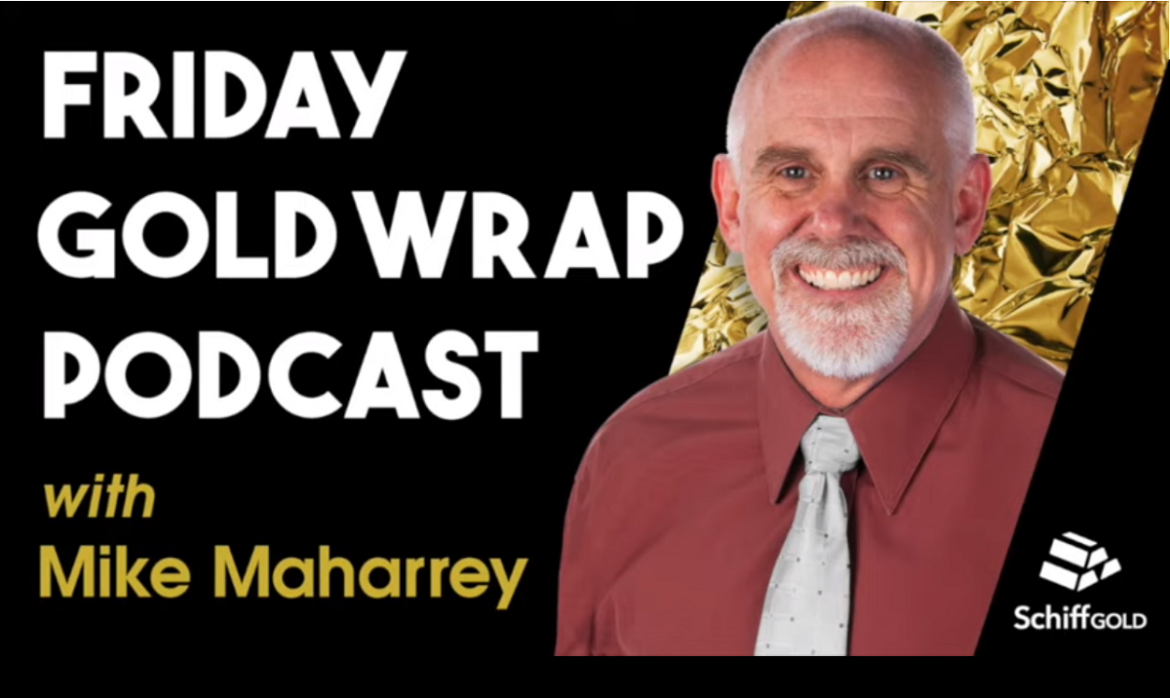
The economy is strong. The American consumer is resilient. Everything is great. At least that's the mainstream narrative. In this episode of the Friday Gold Wrap podcast, host Mike Maharrey explains why it's all just an illusion of prosperity. Along the way, he covers the September retail sales data, Federal Reserve Chairman Jerome Powell's speech this week, and the recent gold rally.


After the Natgas Breakout and now Breakdown, what's next for the volatile gas price?? Nothing can destroy an investment more than the volatile Natgas Market. In this update, I share my analysis of the natural gas inventories and why the UNG ETF is difficult to trade...
As tensions in the Middle East rise, JP Morgan's Chief Global Markets Strategist, Marco Kolanovic, is spotlighting gold as a prime investment. In a note to clients, while he expressed reservations about equities, Kolanovic strongly recommended bolstering investments in gold and bonds. He emphasized gold's significance amidst current geopolitical risks and its enduring value in uncertain times.
Oct 19, 2023 - 13:06:35 PDT
Gold remains resilient despite U.S. rate hikes and the Federal Reserve's narrative, as global governments accumulate it amidst growing economic and geopolitical uncertainties. Joseph Stefans from MKS PAMP highlights gold's enduring appeal beyond just being a safe haven. Its role in diversifying from local currencies and countering economic uncertainties keeps it in demand. With some nations favoring gold over U.S. debt, the precious metal might see long-term support, presenting potential advantages for gold in the coming years.
Federal Reserve Chair, Jerome Powell, raised alarms about lingering high inflation, suggesting that rate hikes are still on the table if the economy doesn't cool down. His recent remarks hinted at an unstable economic outlook, where the current measures might be insufficient to curb escalating inflation. Despite some suggestions of maintaining steady rates in the near future, the persistent threat of "meaningful tightening" looms large. Powell's warnings, coupled with concerns voiced by other Fed officials, paint a bleak picture of potential economic pitfalls ahead.
Positive economic data might be misleading, while significant negative indicators are often overlooked by mainstream media. Investors should be wary of overly positive news and pay more attention to warning signs with better predictive value. While economies like China, Japan, and Germany previously showed strength, they're now facing slowdowns or recessions. A global recession seems imminent. Instead of panicking, investors should diversify, consider assets like gold and silver, and focus on sectors like energy and agriculture that remain resilient over time.
 Bond King Gundlach Warns Dollar’s Reserve Currency Status Depends on U.S. Controlling Spending
Oct 19, 2023 - 12:40:03 PDT
"Bond king" Jeffrey Gundlach of DoubleLine Capital warns that the U.S. risks losing its status as the world's reserve currency if it doesn't rein in its spending. With rising interest rates and a national debt of $33.59 trillion, Gundlach stresses the situation will deteriorate if the Federal Reserve persists with rate hikes and the debt continues to soar.


We're in the midst of a pivotal moment in the financial world...
Oct 19, 2023 - 09:07:04 PDT
"Under the Biden administration, the rate of homelessness among baby boomers has reached alarming levels, unseen since the Great Depression. Despite being the most affluent generation in U.S. history, half of the current homeless population is now over 65—a sharp increase from just one-tenth in the 1990s. Repeated recessions and questionable public policies, especially under "Bidenomics," have eroded their savings, inflated housing prices, and left many without homes even after decades of work and saving."
Oct 19, 2023 - 08:38:43 PDT
Over the past decade, US home prices have shockingly doubled, with a 33% surge in just the last three years. Rentals haven't been spared, with monthly costs jumping significantly. This housing inflation, combined with the economic crunch, has pushed many Americans to opt for smaller living spaces like RVs and tiny homes as makeshift solutions. Today's economic distress, reminiscent of the Great Depression's severity, is hidden behind modern adaptations: EBT cards replacing soup lines and RV clusters taking the place of shanty towns, masking the true extent of our current financial crisis.
 Recession Forecasted for 2024: CB Leading Economic Index Falls Again for Straight 18 Straight Months
Oct 19, 2023 - 08:28:33 PDT
The Conference Board Leading Economic Index (LEI) plummeted for the 18th month in a row in September, hitting its weakest point since June 2020. Signaling deepening economic turmoil, the US economy, already grappling with rising interest rates and inflation, is now on a clear trajectory towards a predicted recession in early 2024.
First-Time Home Buyers at Historical Lows; US Existing House Sales Tumble To Weakest In 13 YearsOct 19, 2023 - 08:13:10 PDT
Housing affordability is at a decades-low due to supply issues and rising mortgage rates. Existing home sales in September fell 2.0%, marking a consistent decline over the past two years. Sales are at their lowest since the 2010 crisis, especially in regions other than the Northeast. With first-time buyers comprising just 27% of purchases and mortgage rates over 8%, the housing market's affordability challenges persist.

Problems in the commercial real estate (CRE) sector continue to bubble under the surface. This is a major stress point for US banks and could precipitate the next phase of the financial crisis.A combination of high interest rates and declining tenancy is putting the squeeze on commercial real estate owners. As a result, banks hold a growing portfolio of delinquent CRE loans.
 Government Bubble Bust: Treasury Bond Investors Have Been Taking a Historic Beating
Oct 19, 2023 - 06:33:02 PDT
Long-term bond investors are increasingly reluctant to lend to the U.S. government, possibly due to its excessive borrowing. Despite facing significant market losses, political discussions continue to focus on further debt-driven spending. The 10-year U.S. Treasury yield recently reached 4.9%, the highest since 2007, as the Treasury Department increases its borrowing. After the 2008 crisis, global governments, including the U.S., lowered interest rates, sometimes even going negative. This historically unprecedented situation led to massive debt accumulations. With rising interest rates, the U.S. now faces potential interest costs of over $13 trillion in the next decade.
Near 'Worst Since Lehman' Levels: Philly Fed Future Expectations For Shipments/CapExOct 19, 2023 - 06:18:44 PDT
October's Philly Fed Business Outlook showed a reading of -9, slightly improving from September's -13 but still below expectations. This marks the 15th negative reading in 17 months. Although there's a slight increase in new orders and shipments, the price indexes show overall inflation. More worryingly, future indicators are on the decline, with future orders, shipments, and capital expenditures indexes all dropping, reminiscent of the 2008 'Lehman' lows. This downturn raises questions about the impact of Biden's economic policies.