
Precious metals are apparently waking up. And here is where you can find the best deals.


Site:
Precious metals news
The fiscal year 2024 is already signaling a debt disaster for the U.S., with last year's $1.7 trillion debt increase likely just the beginning. With deceptive accounting, the reality is probably worse, potentially a 100% rise from the previous year. As interest rates climb, America's massive $33 trillion national debt could spiral out of control, forcing the government into a perilous cycle of austerity, increased borrowing, and relentless inflation. Despite claims of a robust economy, plummeting tax revenues hint at a looming recession that could send deficits skyrocketing, trapping the country in an unsustainable financial vortex.
Nov 8, 2023 - 08:02:43 PST
FCC Commissioner Brendan Carr has sharply rebuked President Biden's "digital equity" initiative as a dangerous overreach, labeling it an "unlawful power grab" that threatens to place the entire internet ecosystem under the heavy hand of the federal government. Carr contends that Biden's plan would bestow the administrative state with a level of control over internet services and infrastructure that is both unprecedented and unfounded in legal precedent. This shift to expansive government controls, according to Carr, is an alarming departure from historical regulatory restraint and could signify a severe constriction of technological freedom and innovation.
While America struggles to buy groceries, President Biden faces criticism for poorly managing a vast green fund. Appointee John Podesta, a political insider, is accused of channeling $369 billion from the Inflation Reduction Act to favored, failing green companies. "Green banks," designed to fund these ventures with taxpayer money, are especially contentious, with allegations of mismanagement and wasteful spending within the administration.

American credit card debt has alarmingly surged to $1.08 trillion, marking a disastrous yearly increase and the worst spike since 1999. Millennials are particularly hit hard, struggling with escalating delinquencies amidst mounting student loans. Nationwide, the cost-of-living crisis pushes more people into relentless debt cycles, with a significant number facing steep interest penalties, unable to chip away at the growing financial hole.
Nov 8, 2023 - 06:39:05 PST
China expanded its gold reserves for a twelfth straight month in October, according to the latest data from the People’s Bank of China (PBoC). The country raised its gold reserves by around 23 tonnes to a total of 2,215 tonnes last month. China has added about 266 tonnes of gold in the last twelve months through October. In general, central bank demand over the third quarter has been strong, because of the geopolitical environment, and with this uncertainty set to linger, we are likely to see central banks continuing to add to their holdings in the coming months.
 US Treasury Yellen Calls for Greater Transparency in How Beijing Conducts Its Exchange-Rate Policy
Nov 8, 2023 - 06:13:52 PST
“China’s failure to publish foreign exchange intervention and broader lack of transparency around key features of its exchange rate mechanism make China an outlier,” the Treasury said in its report.
The release comes just two days before Treasury Secretary Janet Yellen sits down with her Chinese counterpart, Vice Premier He Lifeng. Over two days of meetings, the duo are expected to help restore high-level economic dialogue that had largely lapsed during escalating bilateral tensions over issues ranging from trade to security.

Gold fell for a third straight session on Wednesday with market focus on remarks from Federal Reserve Chair Jerome Powell. A slew of Fed officials on Tuesday maintained a balanced tone on the central bank’s next decision, but noted they would focus on more economic data and impact of higher long-term bond yields.
Powell will speak at 9:15 a.m. ET and at 2:00 p.m. ET on Thursday.
“We forecast the Fed to cut rates faster than the market expects next year ... The lower government bond yields in the U.S. next year will give a boost to demand for gold,” said Gardener, commodities economist at Capital Economics.

U.S. banks, facing stringent regulations and the impact of rising interest rates, are offloading risk by selling complex debt instruments known as synthetic risk transfers to private funds. This strategy helps banks mitigate regulatory capital charges and is attractive to investors seeking high returns. However, this move indicates a deeper shift on Wall Street, with private credit firms increasingly influencing the finance sector and assuming roles traditionally held by banks. These practices, reminiscent of pre-2008 crisis mechanisms, raise concerns about the potential for systemic risk in the financial system.
Nov 8, 2023 - 05:18:05 PST
Big banks are grappling with $650 billion in unrealized losses due to the Treasury market's downturn, mirroring the conditions that led to Silicon Valley Bank's collapse. These losses, if realized, could threaten financial stability, raising alarms over potential systemic risks. Bank of America is notably exposed, with a $130 billion shortfall. While the losses are paper-based for now, they loom over Wall Street, with bank stocks suffering and fears of another crisis simmering.
 ALL SILVER MINERS SUFFER LOSSES EXCEPT ONE, Q3 2023 UPDATE: Silver Mining Industry Struggling With High Costs
November 8, 2023

With the Q3 Earnings now in, All of the Silver Mining Companies we analyze, but One, suffered losses. While this is not good news for the silver miners as they provide a "High-quality Asset" in a world drowning in massively inflated financial assets... I see this changing in the future...
Central banks have amassed 800 metric tons of gold in the first nine months of 2023 to counter inflation and lessen US dollar reliance, marking a 14% increase from last year. China leads the pack, adding 181 tons to its reserves, while its consumers also flock to gold amid economic uncertainty. This robust central bank demand, defying a stronger dollar and higher bond yields, which typically dampen gold's allure, has propped up its price. Gold's appeal remains resilient, potentially pushing its market value towards record highs.
 Government's Financial Ponzi Strategy at Risk of Collapse Under Interest Rate Pressure
Nov 7, 2023 - 11:50:38 PST
Rising interest rates are rupturing the global bond market's extended period of falling yields, with the U.S. ten-year Treasury yield jumping from 0.5% to 4.8%. Central banks' attempts to control inflation, partly of their own making, have backfired, leading to an investor exodus from U.S. debt amid soaring national deficits. The world braces for the economic fallout, with recessions looming as the reality of a debt-fueled Ponzi scheme comes to light. With no solution in sight, the only expectation is a future of devalued currency and persistent inflation.

Iowa's Citizens Bank has collapsed, saddled with $15 million in concealed loan losses. Not FDIC-insured, the fallout is Iowa's to shoulder. This debacle is the year's sixth, pointing to a dire trend in banking stability. Amidst fleeting government fixes, the reality is stark: more failures loom, and for those hedging against systemic risk, gold increasingly appears as a solid refuge.
Retail job cuts have spiked to 72,182, the highest since 2020, outpaced only by the technology sector's layoffs. U.S. retailers are slashing jobs at an alarming rate, up 258% from last year, even as they enter the critical holiday season. Despite a slight decrease in overall U.S. job cuts in October, the trend remains upwards from last year, indicating a troubling labor market in the retail industry.

U.S. household debt rose this month, led by increases in mortgages at $12.14 trillion, credit card debt at $1.08 trillion, and student loans at $1.6 trillion. Post-Great Recession, economic analysts focus closely on household liabilities. The New York Federal Reserve issues a quarterly Household Debt and Credit report, tracking this data since 2003. This report draws from the NY Fed's Consumer Credit Panel, a sample of over 40 million individuals' credit reports provided by Equifax.
Nov 7, 2023 - 07:46:28 PST
Macro Investor Luke Gromen predicts the U.S. will inevitably resort to printing more money as cutting entitlements or defense spending is politically unlikely. He suggests that, faced with rising debt and limited options, the government will choose quantitative easing over default, despite the risk of significant inflation. Gromen foresees this environment as favorable for assets like gold, oil, and Bitcoin.


Mike Maloney and Alan Hibbard delve into a fascinating legal dispute that pits the US Federal Reserve against Bitcoin magazine.
The US's soaring debt interest payments, now over $1 trillion and consuming 16% of the federal budget, signal a grim fiscal outlook. This spike in debt servicing costs could prompt a bond market backlash and has already led to a Fitch Ratings downgrade. With high deficits and substantial refinancing ahead, the US fiscal situation is increasingly precarious.

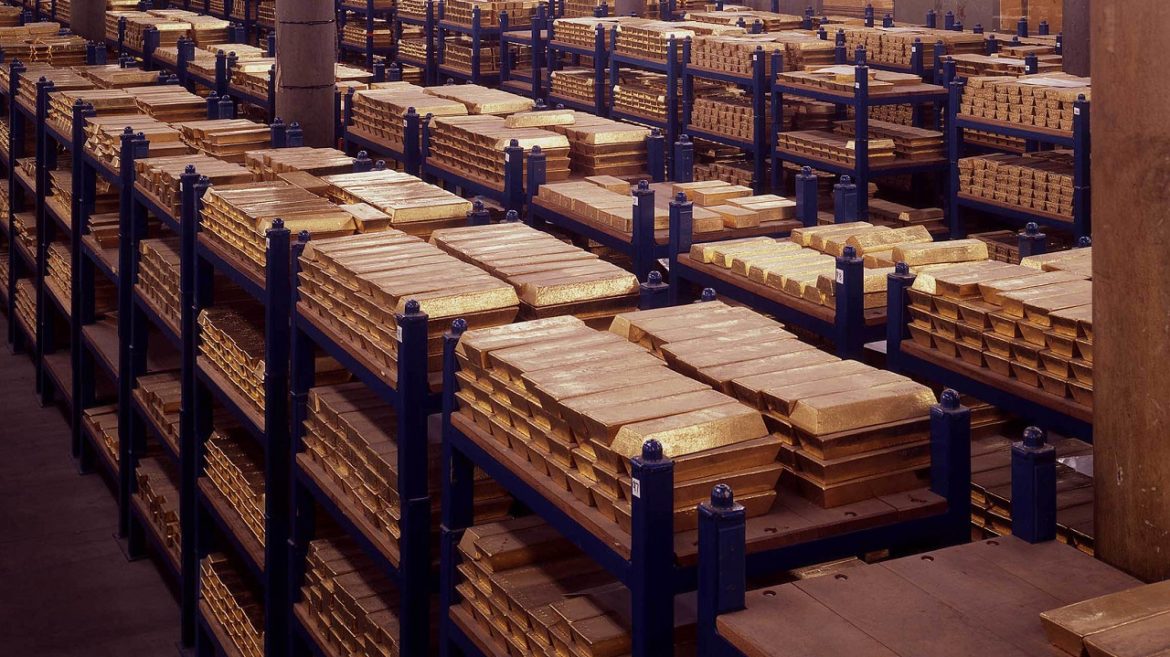
Central banks continued to gobble up gold.Reported central bank gold reserves expanded by a net 77 tons in September with nine countries buying a ton or more.
 A Wall of Debt Rolling Over Is What Scaring the Largest Hedge Fund in the World
Nov 7, 2023 - 06:07:13 PST
Tuesday's market outlook is bleak as oil dips and stock futures wane in reaction to China's weak export data. Echoing these concerns, Bridgewater's Bob Prince warns of the enduring burden of the U.S. government's soaring debt, which poses long-term rollover risks and global vulnerability. The debt-fueled boom in private equity is hitting a wall, with rising interest rates causing liquidity crunches and a slowdown in transactions. Citigroup analysts underscore the danger of testing the limits of government debt, implying that such a crisis could trigger a worldwide retreat from risk assets.