
Precious metals are apparently waking up. And here is where you can find the best deals.


Site:
Precious metals news
 Economists Slam Biden Stimulus as ‘Economically Unjustified’ Plan That 'Incentivizes Unemployment'
Feb 16, 2021 - 07:22:49 PST

Expanding unemployment benefits during a recession has a predictable result: slower employment recovery.
 The Sputtering Economy Will Get Better Thanks to Trillions in New Washington Stimulus: MW
Feb 16, 2021 - 07:15:38 PST

The U.S. economy is going to get better --- if only because Washington is spending as much as $3 trillion to make it so. The first evidence of that is likely to come this week.
Here’s What Top Economist Mohamed El-Erian Fears Will Trigger a Market Mishap: MWFeb 16, 2021 - 07:12:03 PST

Not much is slowing down enthusiasm for most assets right now. Mohamed El-Erian, economic adviser to Allianz, says these things might trip up investors.

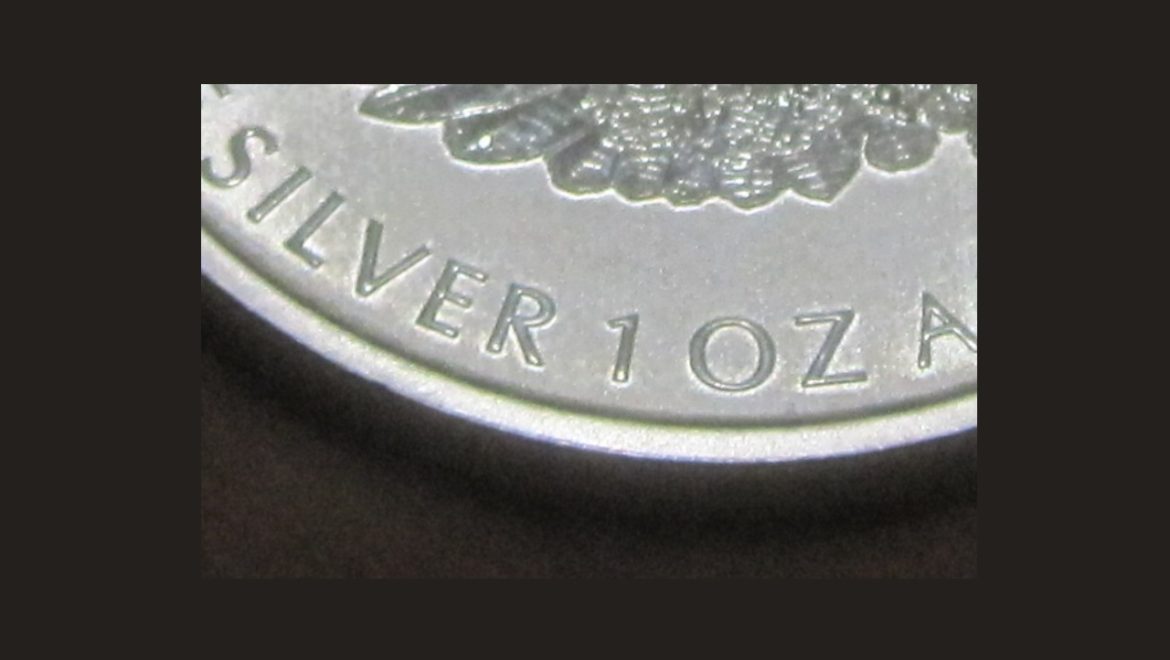
Silver enjoyed a moment in the spotlight when the Reddit Raiders turned their attention to the white metal. The online investors weren’t able to pull off a short-squeeze in the silver market, but we’ve said all along that there are fundamental reasons to be bullish on silver. Given the supply and demand dynamics coupled with the prospect of inflation, $30 silver is likely quite a bargain.


In ages past, gold and silver provided humanity with a system of economic co-operation among productive humans, which was fair to all participants.


Jerome Powell recently opined that unemployment was substantially higher than headlines and more stimulus is needed to fix it. He is both right and wrong.


Presidents who find themselves digging out of recessions have long heeded the warnings of inflation-obsessed economists, who fear that acting aggressively to stimulate a struggling economy will bring a return of the monstrous price increases that plagued the nation in the 1970s.

The Fed pledged to hold interest rates low for a very long time. What about the long end of the curve?


Treasury Secretary Janet Yellen is giving Federal Reserve Chairman Jerome Powell a bit of a headache when it comes to managing the money markets. Already low short-term interest rates are set to sink further, potentially below zero, after the Treasury announced plans earlier this month to reduce the stockpile of cash it amassed at the Fed...
 China Threatens To Hobble US Defense Industry By Limiting Export Of Rare-Earth Metals
Feb 16, 2021 - 05:30:27 PST

China has been quietly exploring the economic damage it could inflict to US and European companies - including defense contractors - if they were to impose export 'restrictions' on 17 rare-earth materials, according to a report in the Financial Times.
 U.S. Enters NATO Meetings As China and Russia Threats Loom and War in Afghanistan Drags On
Feb 16, 2021 - 05:25:03 PST

"America cannot afford to be absent any longer on the world stage," Biden said in an address at the State Department.
China Overtakes U.S. As Europe’s Main Trading Partner for the First TimeFeb 16, 2021 - 05:21:39 PST

China dethroned the U.S. to become Europe's top trading partner for the first time last year, data from the European statistics office has shown.

There are signs that the food inflation that’s gripped the world over the past year, raising prices of everything from shredded cheese to peanut butter, is about to get worse.

The US government is spending money at a torrid pace. Uncle Sam blew through $547 billion in January. That brings total spending through the first four months of fiscal 2021 to $1.92 trillion.And the spending spree is only going to increase. Congress continues to debate another $1.9 trillion stimulus package and there's already talk of an infrastructure spending bill in the pipeline after that.This raises the $1.9 trillion question: how is the government going to pay for all this?
Bitcoin Surpasses $50,000 for First Time Ever As Major Companies Jump into CryptoFeb 16, 2021 - 05:13:43 PST

Bitcoin has gotten a boost from news of large firms like Tesla, Mastercard and BNY Mellon warming to cryptocurrencies.


U.S. stock index futures hit record highs on Tuesday with investors piling into economically sensitive stocks such as energy and banks on hopes of more fiscal aid to lift the world's biggest economy from a coronavirus-driven slump.

The seven-day average of new Covid-19 cases in the U.S. fell 23% from a week ago to about 85,200 as of Feb. 15, while Covid-related deaths holds steady at roughly 3,000 per day, according to a seven-day average of data from Johns Hopkins University. The rollout of Covid vaccines in the U.S. has been slow and complex.


With the new Biden Presidency, the Green Energy Stocks have taken off to the Moon. Actually, it's quite hilarious to see these Green Energy Stocks start to LIFT OFF right at the beginning of the second week in November. One such highly touted renewable energy stock is FuelCell Energy...
After running the biggest December budget deficit in history, the US government followed up with another massive budget shortfall in January.According to the Monthly Treasury Statement, the January deficit came in at $162.83 billion. That's nearly five times bigger than the January 2020 shortfall.
Last week, Federal Reserve Chairman Jerome Powell said he wasn't worried at all about inflation. But there are signs that inflation is heating up everywhere, from surging commodity prices to rising bond yields. In his podcast Friday (Feb 12) Peter Schiff talked about increasing inflation and the unreasonable expectations Wall Street has when it comes to the Fed's willingness or ability to do anything about it.