
Precious metals are apparently waking up. And here is where you can find the best deals.


Site:
Precious metals news


In fact, some new evidence shows that unconditional cash handouts might even encourage work. In a recent experiment, some philanthropists randomly selected 125 residents of poor neighborhoods in the city of Stockton, California, to receive $500 a month in cash.

Economists have been revising their views about what level of debt is excessive, downplaying the size of a country’s debt compared to its economy. Instead many recommend looking at the size of the interest payments the federal government must make.

Yellen offers reason to hope for broader action to address the many gaping holes in the current global financial system.

That said, a lot of prospective good economic news is now priced into the market. Additional economic upside should be rewarded; however, there is also a risk of market weakness if the rosy outlook is less rosy.

New $1,400 payments could soon be on their way. But this time, those checks could be subject to collection if you have past debts.

A new ETF wants to tap into the fear of missing out among investors desperately chasing the everything rally. A filing this week with the U.S. Securities and Exchange Commission seeks to create the FOMO exchange-traded fund, named for the famous acronym associated with countless bubbles and market manias.

If money can't be obtained from taxes, there is only one way to go: printing more money. When things get to this point, it is no longer just a question of whether the social divisions can be healed, whether people can be united to move forward.

Commodities trader Mercuria Energy Group Ltd. struck a deal last summer to buy $36 million of copper from a Turkish supplier. But when the cargoes started arriving in China, all it found were containers full of painted rocks.The saga unfolds like a gangland thriller, with the Swiss trading house saying it’s been the victim of cargo fraud.
 Young Retail Investors Plan to Spend Almost Half of Their Stimulus Checks on Stocks, Survey
Mar 10, 2021 - 08:03:29 PST

An online survey of 430 investors who use online broker platforms found that half of respondents between 25 and 34 years old plan to spend 50% of their stimulus payments on stocks.


Rising Treasury yields, a dollar rebound and commodity prices at multi-year highs may be starting to feed into a tightening of global financial conditions, testing the resolve of central bankers to reverse the moves by providing additional support.

The United States Senate narrowly voted in favor of the American Rescue Package over the weekend. The $1.9 trillion stimulus package is being presented as a savior for the citizens still suffering from the COVID-induced economic crisis, but the actual impact of the package is likely to be a net negative.

News, analysis and comment from the Financial Times, the worldʼs leading global business publication


“There is a day of reckoning here -- you can’t just raise debt,”... “They don’t want to talk about how they’re going to pay for it, and now they’re going to want to go do an infrastructure bill,” he said of the Democrats.


Supply is seen as one factor driving Treasury yields higher as investors anticipate an economic resurgence fueled by vaccinations and government stimulus.
Mar 10, 2021 - 07:15:39 PST

As Congress prepares to pass Joe Biden’s $1.9tn US stimulus bill, the administration and its Democratic allies are gearing up for their next big legislative priority: a multi-trillion-dollar infrastructure package.

ECB officials have said the rise in bond yields is "a situation which we have to monitor closely" but it's unclear what actions they will do.


We're told we're on the road to economic recovery. The $1.9 trillion stimulus is all we need to get us over the hump. But the truth is, Americans started spending like they were over the hump months ago. In fact, American consumers high on stimulus have been on a spending spree since last summer. The Federal Reserve printed money. Uncle Sam handed it out. American consumers spent it on imported goods.This isn't the formula for a genuine economy. It's the formula for a giant bubble.

On the contrary, the conditions are ripe for US inflation to overshoot 2 per cent, the level that the US Federal Reserve gauges as consistent with its mandate. Under its new approach unveiled last year, the Fed has signalled it will tolerate an overshoot of the target for a period of time to compensate for persistently low inflation.


All eyes this morning are on consumer prices as we near the precipice of last year's collapse and the (artificial) explosion in year over year comps that the short-term collapse will create (temporarily, if The Fed is to be believed). February consumer prices rose at 0.4% MoM - the fastest pace since July, lifting the year-over-year price rise to 1.7% - the highest since Feb 2020...
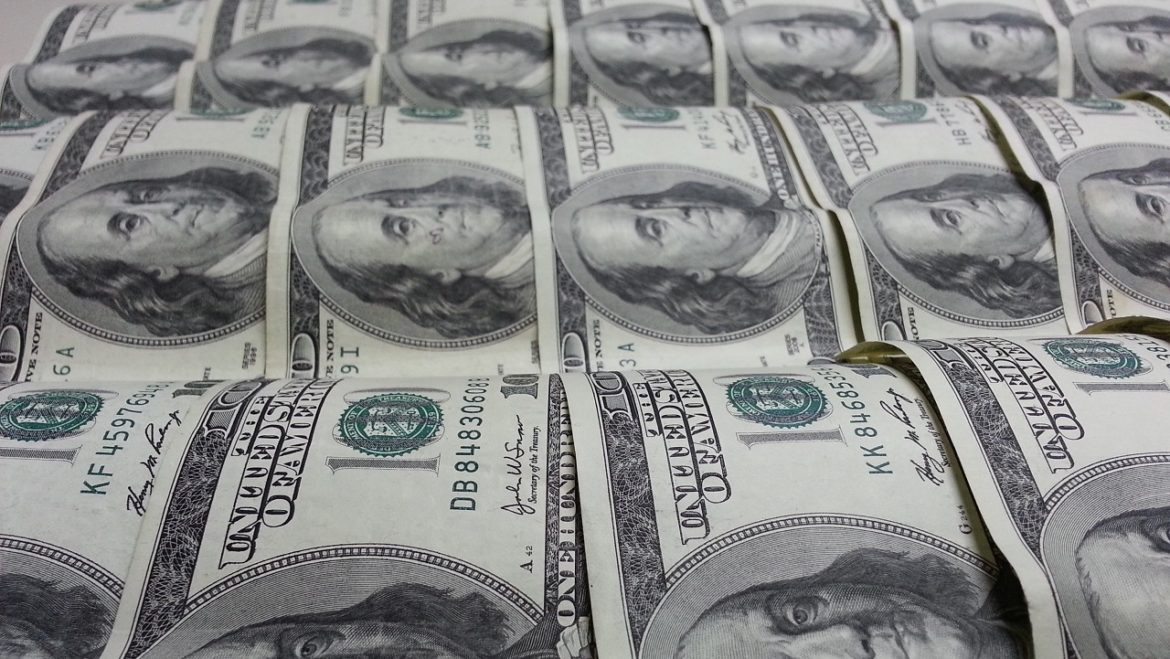
There's an economic myth out there. As the story goes, governments can print their way to prosperity. Just run the money printing press, hand out cash for consumers to spend and the economy will hum. In this clip from a podcast episode, Peter Schiff calls it "The Kelton Myth" named for economist Stephanie Kelton. At the root of this tale is the notion that people can consume what they don't produce. As Peter explains, this simply isn't possible.