
Precious metals are apparently waking up. And here is where you can find the best deals.


Site:
Precious metals news


Gold declined as 10-year Treasury yields held near the highest level in more than a year, while investors looked to key U.S. bond auctions to gauge demand for havens.The precious metal fell after two weeks of gains, partially recovering from its dismal performance at the start of the month.

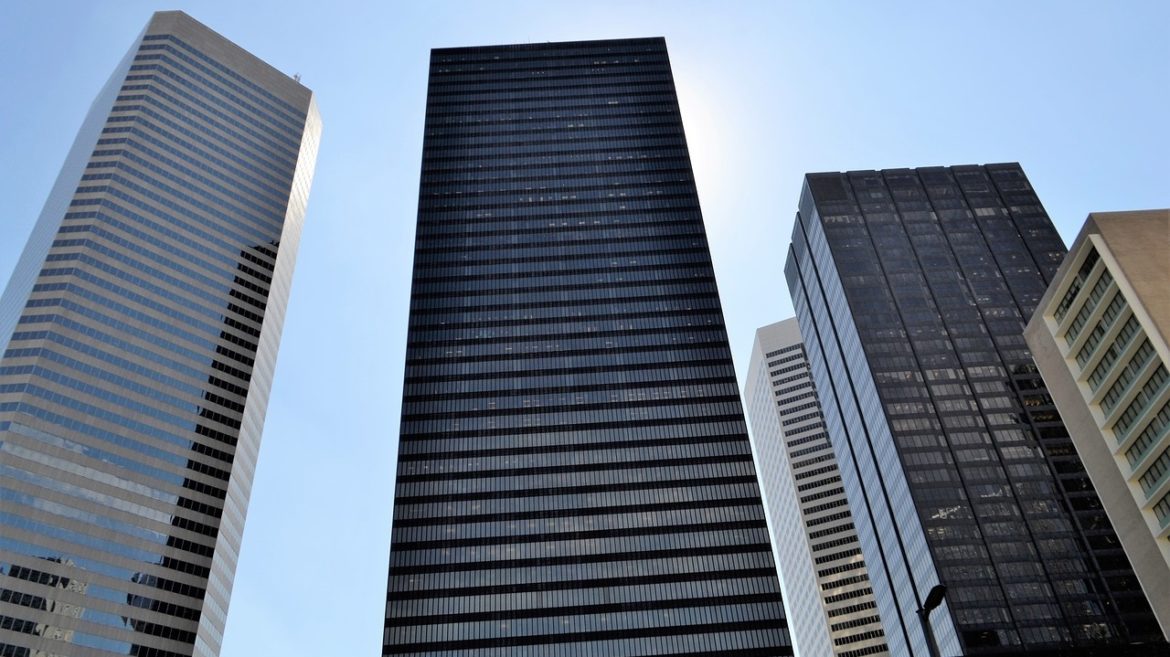
We've talked extensively about the growing levels of debt in the economy. The national debt recently eclipsed $28 trillion. Corporate debt was already skyrocketing prior to the pandemic. All of this is driven by loose Federal Reserve monetary policy designed to drive borrowing. And people wonder why Peter Schiff insists the Fed can't actually let interest rates rise to fight inflation.As economist Doug French highlighted, there's another segment of the economy buried in debt - the commercial real estate market. The problem is compounded by the fact that the value of commercial real estate is falling like a rock thanks to a shift toward work-at-home and the brick-and-mortar retail apocalypse. In a nutshell, the commercial real estate market is plagued by too much debt and not enough assets.
 The Fed Will Be Forced to Buy More Bonds as US Stimulus Drives up Interest Rates, Ray Dalio Says
Mar 22, 2021 - 07:15:51 PDT

In the event that bonds are liquidated by investors, 'that situation is bearish for the dollar,' according to Dalio.

The Fed, of course, had long since joined the Bank of Japan down the quantitative easing rabbit hole. That was in the aftermath of the 2008 global crisis, seven years after the BOJ pioneered QE. Last week, though, came the admission from Powell many of us knew was inevitable: America is officially trapped below zero with the BOJ, and indefinitely so.
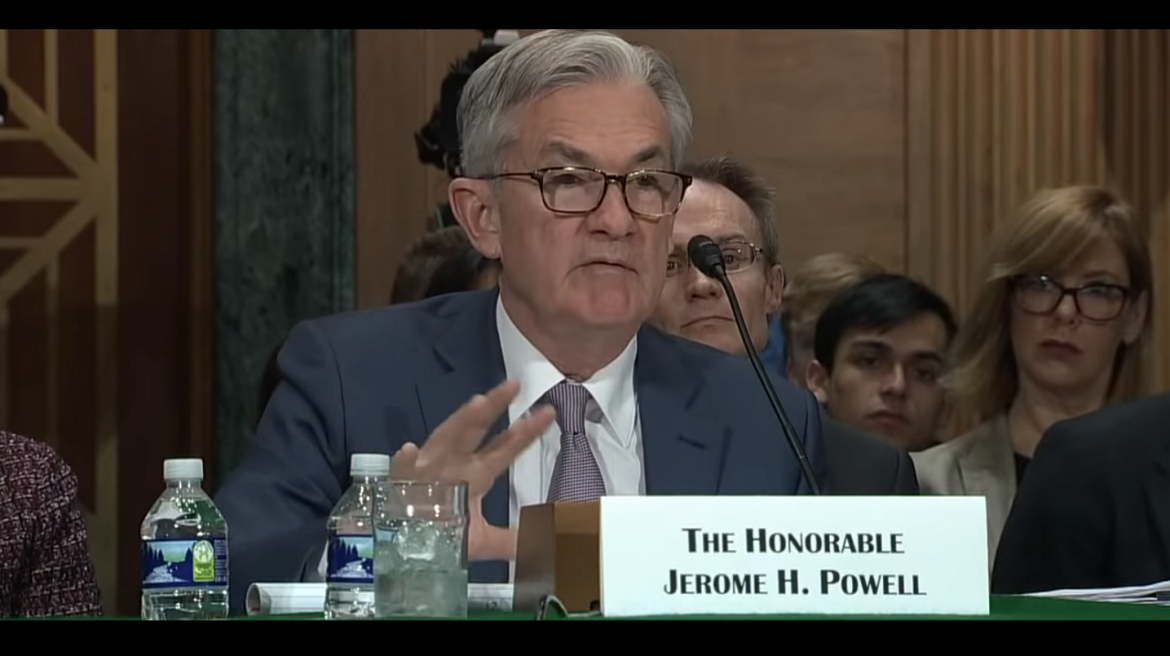
Last month, Federal Reserve Chairman Jerome Powell testified before Congress. In his answer to one question, it sure did sound like he doesn't believe in the basic economic principle of supply and demand. Peter Schiff talks about it in this clip from one of his podcasts.


Based on 85 monthly individual factors, The Chicago Fed's National Activity Index unexpectedly plunged in February. Against expectations of a +0.75 print, the data showed a -1.09 (a reading below 0 indicates below-trend growth in national economy).

The financial services industry, braced for what could be its biggest disruption in decades, is about to get an early glimpse at the Federal Reserve’s work on a new digital currency.Wall Street is not thrilled.Banks, credit card companies and digital payments processors are nervously watching the push to create an electronic alternative to the paper bills Americans...
 ECB's Knot Says Accelerated Bond Purchases Temporary Until Growth Recovers
Mar 22, 2021 - 05:46:35 PDT

The European Central Bank's (ECB) recent decision to accelerate its bond purchases is a temporary move, meant to reduce borrowing costs until growth and inflation in the monetary union pick up, ECB governing council member Klaas Knot said on Monday.

Bank of Japan Governor Haruhiko Kuroda said on Monday that the central bank would not stop buying exchange-traded funds (ETFs) or sell them as it tries to make its easing tools more flexible and sustainable under its yield curb control policy.

A battered Treasuries market faces another trying week as it will have to absorb a massive slate of auctions focused in maturities that have gotten pummeled amid a brightening outlook for growth and inflation.It’s been a month since a disastrous seven-year auction sent the bond market into a tailspin that reverberated across financial markets...


Markets are only just waking up to the implications of an important shift in Federal Reserve policy.
Mar 22, 2021 - 05:37:50 PDT

Former Treasury Secretary Lawrence Summers warned that the U.S. is suffering from the “least responsible” macroeconomic policy in four decades, pointing the finger at both Democrats and Republicans for creating “enormous” risks.In his latest attack on the recent rush of stimulus, Summers told David Westin on Bloomberg Television’s “Wall Street Week”...

The economy runs on energy, far more than it operates on growing debt. Our energy problems don't appear to be fixable in the near term. The likely outcome is a collapse of world's debt bubble. Oil prices are likely to fall by 50% or more. I show that added debt is becoming increasingly inefficient for increasing GDP.
 U.S. Economy Is 'on the Brink' of a Complete Recovery, Says Richmond Fed's Barkin
Mar 22, 2021 - 05:32:10 PDT

"Vaccines are rolling out, case rates and hospitalizations are falling, excess savings and fiscal stimulus should help fund pent-up demand," said Thomas Barkin.
The IRS May Own Part of Your 401(K) or IRA. How to Reduce What You Fork OverMar 22, 2021 - 05:28:02 PDT

If your retirement savings is in a traditional 401(k) or IRA, don't forget the United States government owns a portion of the balance you see.
Investors Will Get Temporary Relief From Falling Treasury Yields This Spring, Jim Bianco PredictsMar 22, 2021 - 05:23:06 PDT

Bianco Research’s Jim Bianco of Bianco Research predicts inflation fears will make a comeback in the year’s second half.
Bitcoin Could Surge to $300,000, but the Bubble Will Burst After: Crypto EntrepreneurMar 22, 2021 - 05:20:15 PDT

Bitcoin has had a blockbuster 2021, with the cryptocurrency hitting multiple record levels this year and breaking past the $60,000 mark in March.
Global Shipping Could Take a Hit Due to Lack of Vaccine Access for SeafarersMar 22, 2021 - 05:18:28 PDT

International Chamber of Shipping warns of Global Supply Chain Vulnerability and lack of vaccine availability for Seafarers a 'legal minefield' in document.
Third COVID Wave Hits Europe: Lockdowns Imposed and Vaccines Remain a ProblemMar 22, 2021 - 05:17:01 PDT

More than a year after the coronavirus outbreak was declared a pandemic, Europe is continuing to struggle with the virus.
China's Monetary Policy Is Shifting More Quickly Than It Did After the 2008 Financial CrisisMar 22, 2021 - 05:15:40 PDT

China is pulling back support for the economy more quickly than it did following the 2008 financial crisis, according to Allianz.